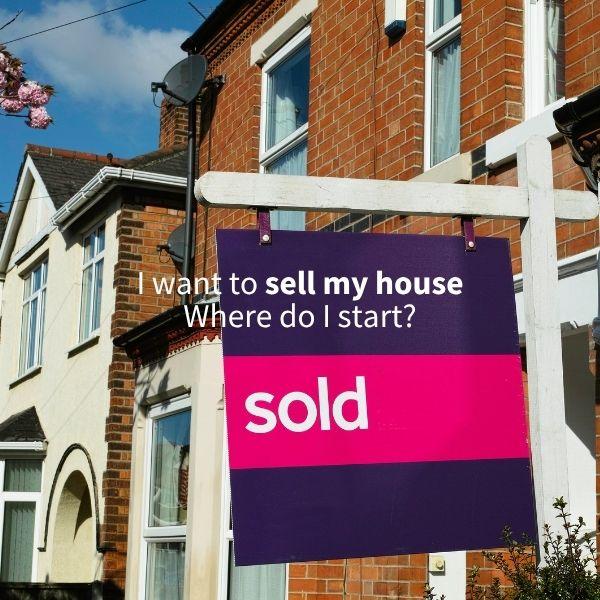
I want to sell my house - where do I start?
Start by getting a realistic idea of what your home is worth using recent local sales data and a few estate agent valuations. Check your mortgage balance so you know your position, and arrange an Energy Performance Certificate (EPC), which is legally required. At the same time, choose a solicitor and begin preparing your home by decluttering, cleaning, and making small repairs. Once everything is ready, you can instruct an agent to list it on the market.
Selling your home can feel like a huge task at first, but once you break it down, it becomes a series of fairly straightforward steps. It’s less about one overwhelming decision and more about moving through a process in a structured way. Here’s what it typically looks like when you’re the one doing it.
1. Understand what your home is worth
The first thing you need is a realistic idea of what your property might sell for. This sets the tone for everything else.
A good starting point is looking at what similar homes nearby have actually sold for, not just what they’re currently listed at. Check popular property portals, as they give you a sense of local pricing trends and demand.
After that, it’s worth inviting a few estate agents to value your home. Getting more than one opinion helps you avoid relying on a single, potentially overly optimistic or cautious figure. If you have a mortgage, you’ll also want to request a redemption statement so you know exactly what you still owe.
2. Decide how you want to sell
Once you have a rough idea of value, you need to decide how you want to sell your home.
Most people go through a traditional high-street estate agent. They handle the marketing, arrange viewings and negotiate with buyers on your behalf. It is the most hands-off option for sellers. This can be helpful if you’re balancing work, family or a move at the same time.
You could also choose an online estate agent. This tends to be cheaper but usually requires more input from you, especially when it comes to viewings and communication. Private sales are possible, but they tend to be more complex and time-consuming unless you’re very confident with the process.
3. Get your home ready for viewings
Before your home goes on the market, presentation becomes important. You don’t need to renovate everything, but you do want the space to feel clean and easy to imagine living in.
Start by decluttering. Removing excess furniture, personal items, and general clutter can make rooms feel significantly larger and brighter. A deep clean is also essential, particularly in kitchens and bathrooms where buyers tend to focus.
It also helps to take care of small repairs you may have been ignoring - things like scuffed paint, dripping taps or loose handles. These details might seem minor, but they can influence how buyers perceive the overall condition of the property.
If you have time, improving kerb appeal can make a real difference too. A tidy front garden, clean entrance, or fresh paint on the front door helps create a strong first impression before anyone even steps inside.
4. Make sure the legal basics are in place
Before your home can be listed, you’ll need an Energy Performance Certificate (EPC). This is a legal requirement in the UK and gives buyers an idea of how energy efficient your home is.
You should also instruct a solicitor (conveyancer) early in the process. They handle the legal side of the sale, including contracts, searches and transferring ownership through the HM Land Registry.
Getting a solicitor involved early means that once you accept an offer, you’re not starting from scratch with paperwork.
5. Choose an Estate Agent and go to market
Choosing the right estate agent can have a noticeable impact on how quickly and successfully your home sells. It’s worth speaking to a few before deciding.
Pay attention to how they value your property, how they plan to market it and the quality of their recent listings. Strong photography, clear descriptions, and good exposure on platforms is key.
Once you instruct an agent, they’ll take photos, prepare your listing and launch it to the market. From that point on, your home becomes visible to buyers and viewings usually begin quite quickly if pricing is realistic.
6. Handle viewings, offers and negotiation
When viewings start, flexibility helps. The easier it is for buyers to see your home, the faster you’re likely to get interest.
If your home is priced correctly, offers may come in within the first few weeks. At that stage, it’s important not to focus only on price. You also need to consider the buyer’s position - whether they’re part of a chain, whether their mortgage is agreed and how reliable they seem to be.
Your estate agent will usually manage negotiations, but you make the final decision on which offer to accept.
7. Move from “Sold Subject to Contract” to completion
Once you accept an offer, your property moves to 'sold subject to contract.' At this point, the sale is agreed in principle but not yet legally binding.
Your solicitor then works with the buyer’s solicitor to carry out searches, review documents and resolve any issues that come up. This stage can take a few weeks depending on how complex the chain is.
When everything is ready, you move to exchange of contracts. This is the point where the sale becomes legally binding. After exchange, a completion date is set. On that day the money is transferred and the keys change hands.
8. The process in perspective
When you go through it step by step, selling your home becomes a structured process rather than a single stressful event. The key stages - pricing, preparation, marketing, negotiation and legal completion, each build on the last.
If you approach it with realistic pricing, decent preparation and the right support from an agent and solicitor, the process tends to move much more smoothly than it first appears.
Selling your home soon? Find your dream new home with newhomesforsale.co.uk.
FAQs
Q. Do I need an estate agent to sell my home?
A. No, but most people use one because they handle marketing, viewings, and negotiations, making the process much easier and often faster.
Q. What improvements should I make before selling?
Focus on simple, high-impact changes like decluttering, deep cleaning, and fixing minor issues such as paintwork, leaks, or broken fittings.
Q. How long does it take to sell a house in the UK?
It varies, but from listing to completion it often takes around 2-4 months, depending on the chain and buyer circumstances.
Disclaimer
newhomesforsale.co.uk is a property portal and not a financial advisor, mortgage broker or mortgage lender. Always seek independent financial advice before making significant decisions about your money, mortgages or purchasing a property.
All information included in our articles is accurate to the best of our knowledge at the time of publication. However, any references to dates, prices and availability are subject to change without notice.
Please note that stock images used on this website are licensed from Canva.com.
Publish date 7th July, 2026
Reading time: 4 minutes
Written by Heather Bowles