What happens after you exchange on a new build?
Exchanging contracts is one of the biggest milestones in the home buying process. It’s the moment everything becomes legally binding and your new home starts to feel real. For first time buyers purchasing a new build in England, the period after exchange can feel both exciting and uncertain.
"So, what actually happens next?" "What can I expect before I finally get the keys?"
This guide explains what happens after exchange, step by step, so you can move forward with confidence.
What does exchange of contracts mean?
Exchange of contracts is the point where the purchase becomes legally binding. Both you and the developer sign identical contracts. Your solicitor swaps will then with the seller’s solicitor.
At this stage, you usually pay your deposit. For many new build purchases, this is around 10% of the property price, although it can vary depending on the agreement or scheme used.
Once contracts are exchanged:
- The purchase is legally committed
- A completion date is agreed, or a completion window is set
- Backing out could mean losing your deposit
For new build homes, the completion date is often not fixed. Instead, you’ll usually exchange off plan and wait for the property to be finished.

Exchanging on a new build: What’s different?
Buying a new build is slightly different from buying an existing home. In many cases, you’ll exchange contracts before the property is finished.
This means you’re committing to buy a home that may still be under construction. Instead of a fixed completion date, you’ll usually have a long stop date. This is the latest date by which the developer must complete the property. This is usually six month beyond the estimated completion date.
Once the home is finished and signed off, the developer will serve a notice to complete. This usually gives you around 10 working days to finalise your mortgage and complete the purchase.
The waiting period after exchange
After exchange, there is often a waiting period while the property is built or finished. This is very common with new build homes.
The length of this period can vary widely. It might be a few weeks if the property is nearly finished or several months if you bought early in the construction phase.
During this time:
- The developer continues building your home
- Your solicitor prepares for completion
- Your mortgage offer is monitored to make sure it stays valid
Although it may feel like nothing is happening, several important steps are taking place behind the scenes.
Keeping your mortgage offer valid
One of the most important things after exchange is making sure your mortgage offer doesn’t expire.
Most mortgage offers are valid for around six months, although some lenders offer longer terms for new build purchases. If construction is delayed, your mortgage offer may need to be extended or reissued.
To avoid problems:
- Stay in regular contact with your mortgage broker or lender
- Avoid taking on new debt
- Don’t change jobs unless necessary
- Keep your finances stable
Any major financial changes could affect your mortgage approval before completion.
Watching the build progress
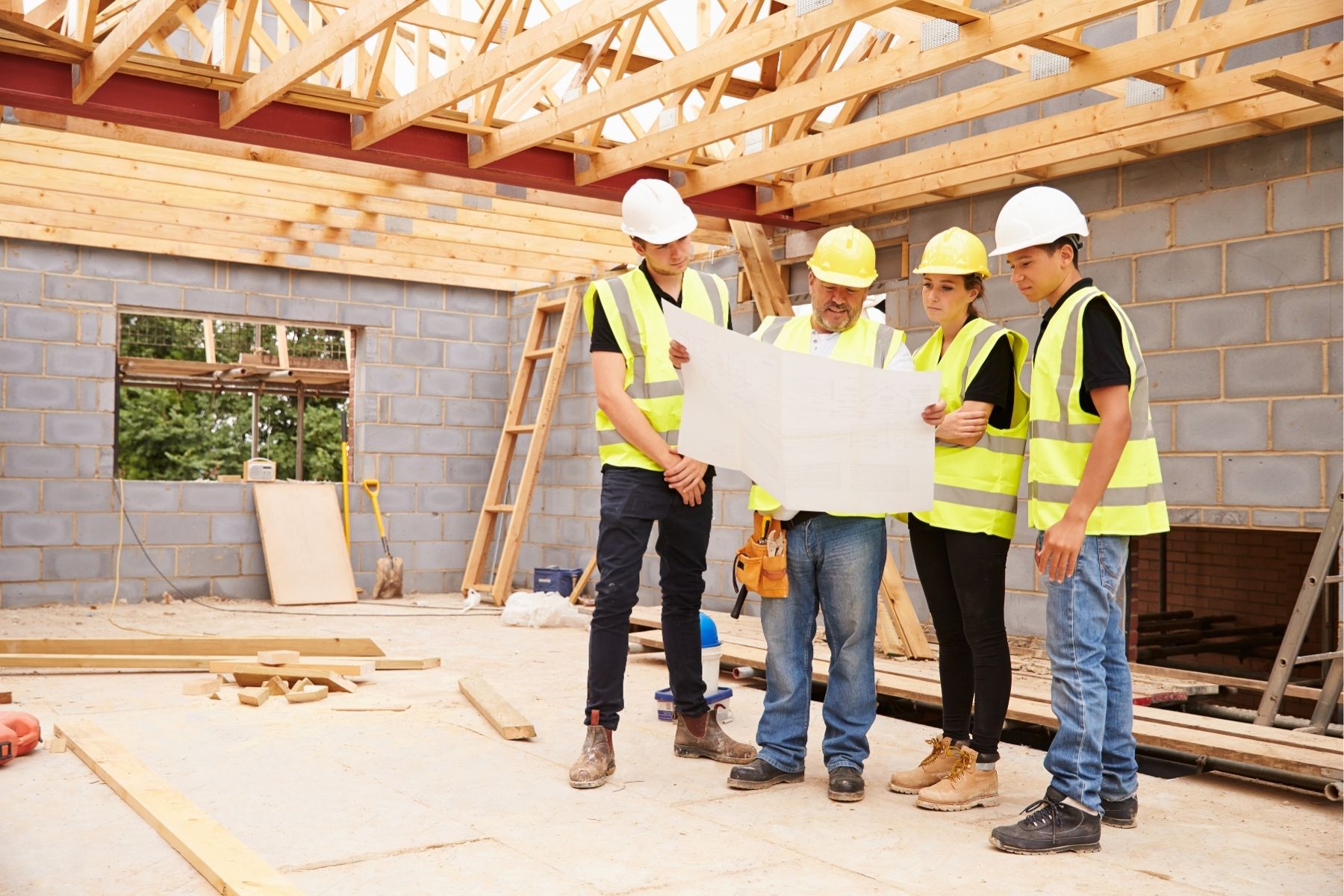
Many developers will keep you updated on the progress of your new home. You may receive build updates, photos or invitations to visit the site at certain stages.
Some developers offer:
- Hard hat visits
- Home demonstration appointments
- Regular progress emails
These updates help you stay informed and give you a better idea of when completion might happen.
However, construction timelines can change. Weather, supply delays or labour shortages can all affect progress. This is why completion dates for new builds are often flexible.
Preparing for completion
While you’re waiting, it’s a good idea to start preparing for completion. This will make the final stages much smoother.
You can begin by:
- Getting quotes from removal companies
- Planning furniture and appliances
- Arranging home insurance
- Budgeting for moving costs
Your solicitor will also carry out final checks. These may include:
- Requesting your mortgage funds
- Confirming the completion statement
- Carrying out final searches if needed
Everything is prepared so the purchase can complete quickly once the property is ready.
The notice to complete
When the property is finished and signed off by building control, the developer will issue a notice to complete.
This is a formal document sent to your solicitor. It confirms that the property is ready and sets the completion deadline. You’ll usually have around 10 working days to complete the purchase.
At this point:
- Your solicitor will request mortgage funds
- You’ll transfer any remaining deposit or fees
- Final paperwork will be prepared
Because the timeline is short, it’s important to be ready financially and logistically.
The pre-completion inspection
Before completion, you’ll usually be invited to a home demonstration or pre-completion inspection. This is sometimes called a snagging visit.
During this appointment, you’ll:
- Walk through the property with the site team
- Learn how appliances, heating, and systems work
- Check for any cosmetic issues or defects
You can note any problems, known as snags. These might include:
- Paintwork issues
- Scratches or marks
- Doors not closing properly
- Minor finishing faults
The developer will usually agree to fix these after completion, although some may be resolved before you move in.
Completion day
Completion is the day the property officially becomes yours!
On this day:
- 1. Your solicitor sends the purchase funds to the developer’s solicitor.
- 2. The developer confirms receipt of the money.
- 3. The keys are released to you.

Tips for first time buyers after exchange
The period between exchange and completion is the perfect time to get organised.
Try to:
- Keep your finances stable
- Avoid new credit applications
- Save extra funds for moving costs
- Start planning your move early
- Stay in touch with your solicitor and lender
Being prepared will make the final stages much less stressful.
Article overview
Exchanging contracts is a major milestone for first-time buyers of new build homes in England.
Once exchange is complete, the purchase becomes legally binding, and your deposit is usually paid. Unlike existing properties, new builds may not be finished at the time of exchange, meaning completion dates are often flexible.
During this waiting period, the developer continues construction, and your solicitor ensures your mortgage remains valid and funds are ready. You may receive regular updates from the developer and even attend pre-completion inspections to check for minor defects, known as snags.
When the property is finished, a notice to complete is issued, giving you a short window to transfer the remaining funds. Completion is the day you officially become the legal owner, collect the keys, and move in.
Most new builds also include a warranty covering defects and structural issues, giving first time buyers peace of mind after their purchase.
Article overview composed with the help of AI
Disclaimer
newhomesforsale.co.uk is an information platform and not a financial advisor, mortgage broker or mortgage lender. Always get financial advice before making significant decisions about your money, mortgages and buying a house.

Publish date 19th February, 2026
Reading time: 5 minutes
Written by Heather Bowles