Can we afford a house on our salary? A Liverpool couple’s 2026 guide
Meet Sophie and Liam. Sophie is 35 and works in marketing. Liam is 36 and works in IT support. Together, they earn £68,000 a year. They currently rent a two-bedroom flat in Liverpool for £1,200 per month.
Owning a home has always been their dream. They want space, security and a place to grow. But in 2026, with rising property prices and living costs, they ask themselves:
“Can we afford a house on our combined salary?”
Their Finances
After tax and National Insurance, Sophie and Liam take home about £4,330 per month. Their current expenses include rent, utilities, groceries, transport, social life, and insurance. That leaves them roughly £1,830 to save each month, which they are putting toward a deposit for their future home.
Liverpool Housing Market
Liverpool is still affordable compared to other UK cities. In 2026, the median house price is around £175,000, while first-time buyer homes usually cost £165,000 - £180,000.
Sophie and Liam are looking at slightly larger homes. A three-bedroom semi in suburbs like Wavertree or Allerton costs about £210,000-£225,000.
Saving for a Deposit
Most lenders require 10-15% deposit. On a £220,000 property, that means £22,000-£33,000, plus about £2,000 for legal fees and surveys.
With £1,830 saved each month, they could reach a 10-15% deposit in roughly 12-19 months. They also plan to use a Lifetime ISA to boost savings with a government bonus.
Mortgage and Costs
With a joint salary of £68,000, lenders would likely offer £272,000-£306,000, enough for their target property.
A £200,000 mortgage over 25 years at 6% interest would cost about £1,290 per month. Adding council tax, utilities and insurance brings total housing costs to roughly £1,700 per month.
Compared to their current rent of £1,200, monthly costs rise by £500. But that extra goes toward equity in their own home, not a landlord’s pocket.
Renting vs. Owning: Monthly Budget
| Category | Current Rent (£) | Projected Mortgage (£) |
|---|---|---|
| Housing (rent/mortgage) | 1,200 | 1,290 |
| Council Tax & Utilises | 250 | 360 |
| Food and Groceries | 400 | 400 |
| Transport | 200 | 200 |
| Social Life and Hobbies | 300 | 300 |
| Phone, Insurance etc. | 150 | 150 |
| Total | 2,500 | 2,700 |
| Remaining for savings | 1,830 | 1,630 |
Saving for a Deposit
Most lenders require a 10-15% deposit. On a £220,000 property, that means £22,000-£33,000, plus about £2,000 for legal fees and surveys. Currently, Sophie and Liam have £8,000 saved. With their combined ability to save around £1,830 per month, they could reach a 10% deposit in about 12 months.
A slightly larger deposit of 13.5% would take roughly 16 months and a 15% deposit could be achieved in around 18 months.
They also plan to use a Lifetime ISA to boost their savings with the government bonus, which could slightly shorten this timeline.
Other Considerations
Homeownership also adds expenses not included in rent. Maintenance, minor repairs and insurance cost about £150-£200 extra per month. Furniture and appliances for a larger home might cost £2,000-£4,000 upfront.
Despite this, their combined income leaves room for living expenses and emergency savings.
Emotional Factors
Owning a home gives stability and control. It also comes with responsibility for repairs and bills. Lifestyle trade offs exist, but the long term gain is security and investment growth.
Sophie and Liam also consider strategies to reduce costs. Buying in suburban areas, using government schemes like Shared Ownership, or extending the mortgage term could make homeownership more manageable.
Final Thought
Homeownership on a £68,000 salary in Liverpool is realistic. Careful saving, budgeting and planning make it possible. Rent may be cheaper now, but owning provides control, investment and long-term security.
Sophie and Liam’s story shows that couples with similar earnings can realistically buy a home in 1-2 years, even when factoring in current rent.
New Build Developments In and Around Liverpool
- Development: St Wilfrid's Way
- Developer: Bellway
- Address: Hawthorne Road, Litherland, Merseyside, L21 8QS
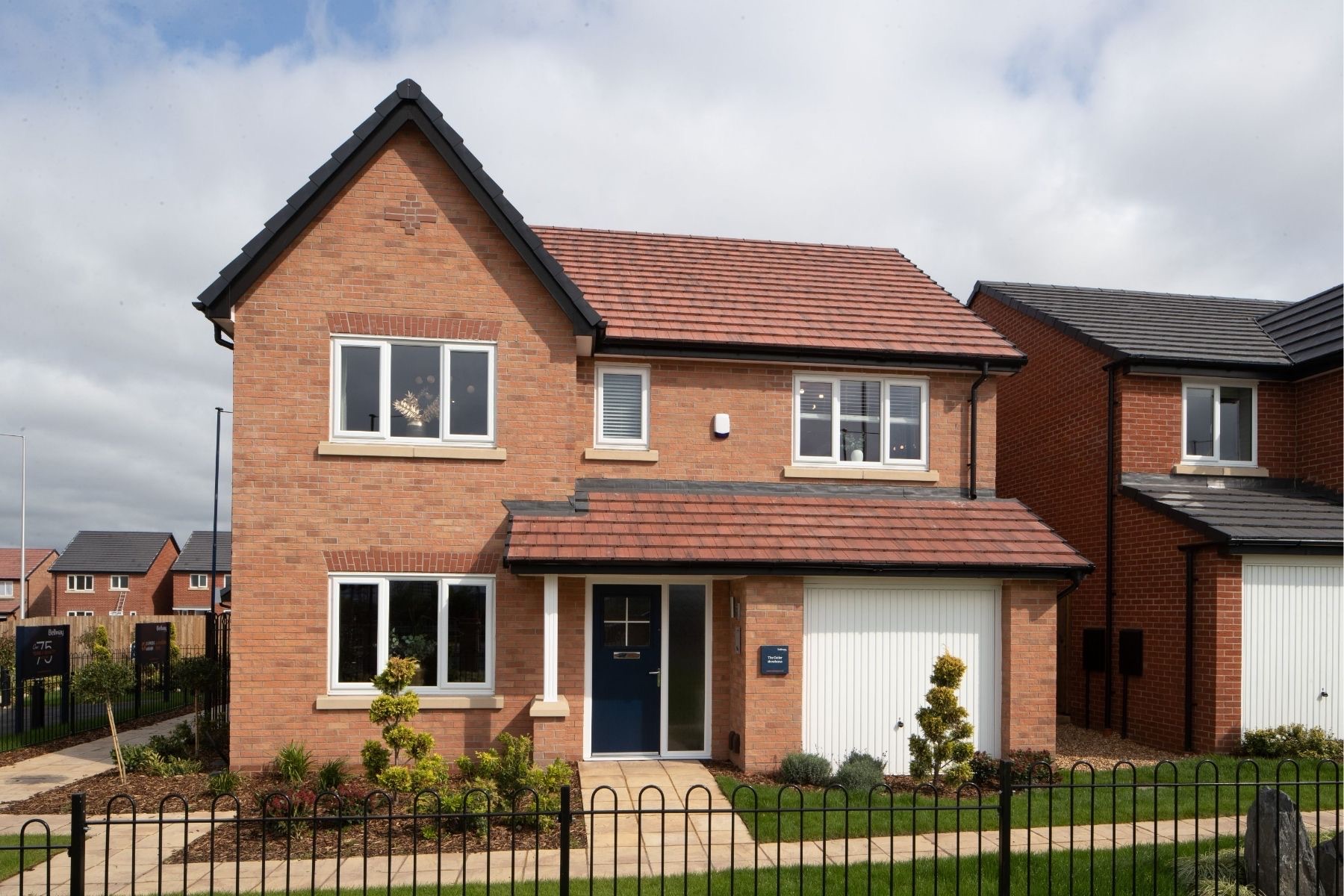
- Development: Summerhill Park
- Developer: Persimmon
- Address: Poverty Lane, Liverpool, Merseyside, L31 3DS
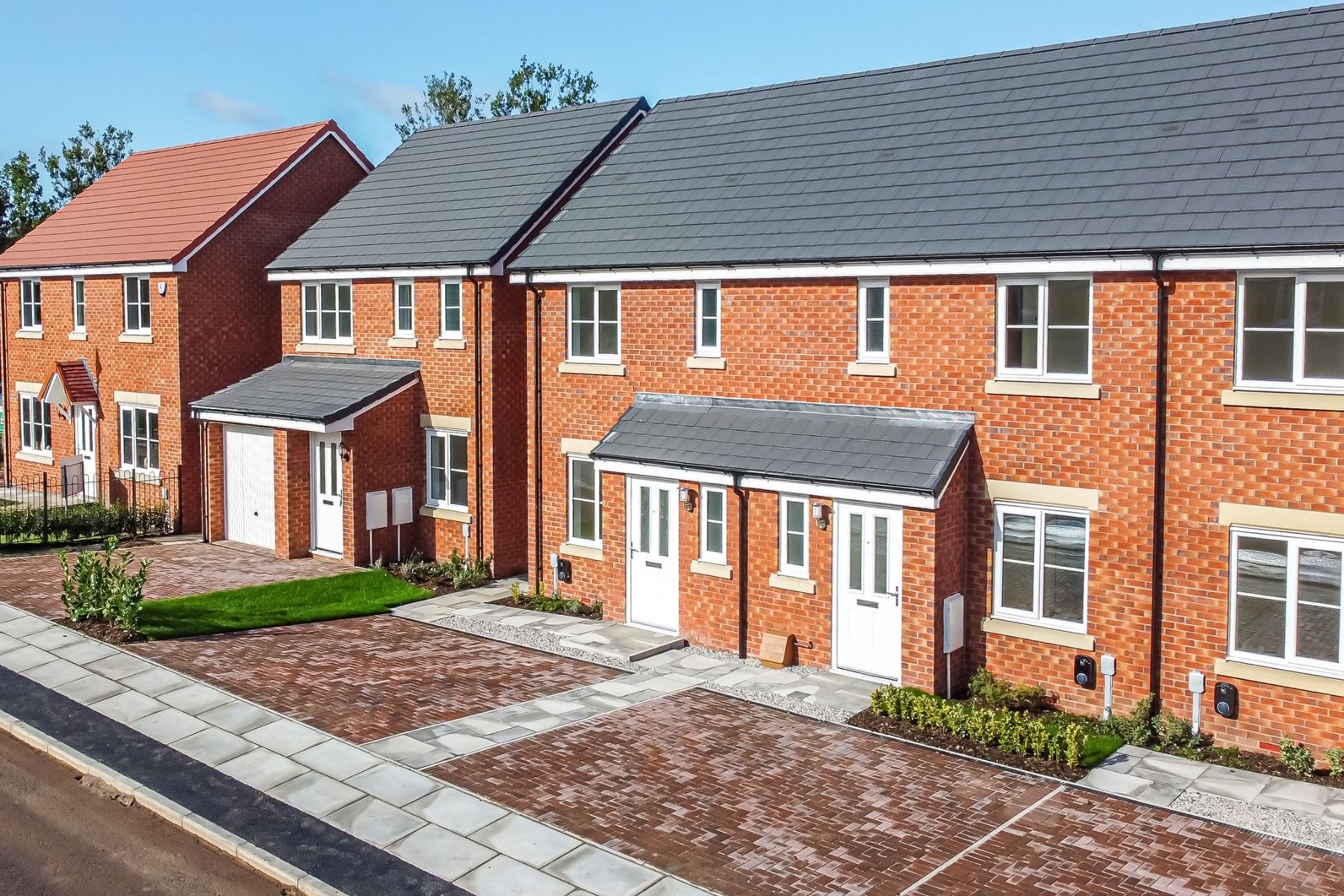
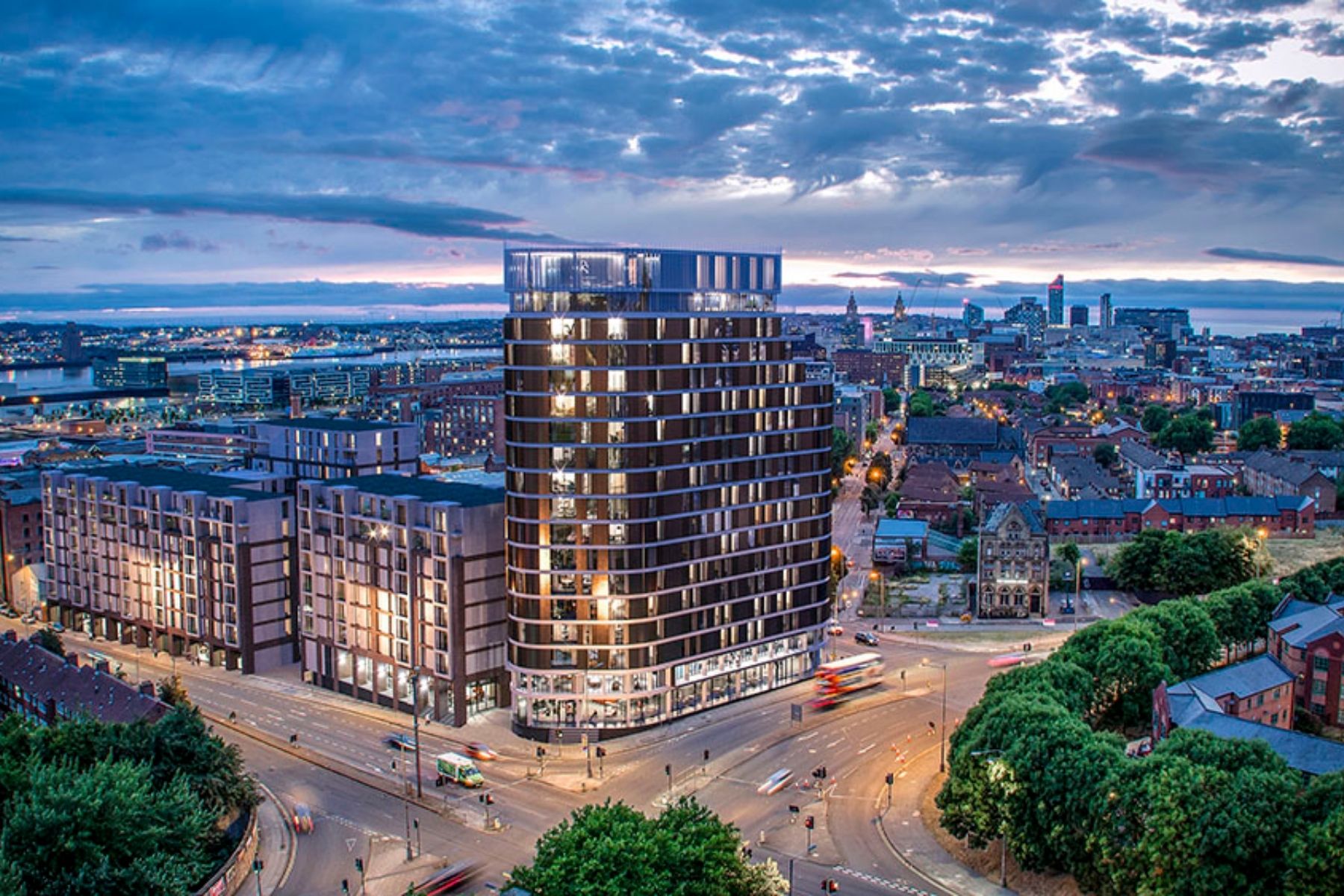
- Development: Parliament Square
- Developer: RWinvest
- Address: Liverpool, Merseyside, L1 0AD
The information in this article is based on current averages, including median house prices, first-time buyer ages and general salary data in Liverpool as of 2026. Individual circumstances, mortgage rates, property locations and financial situations may vary. This content is for informational purposes only and should not be considered financial or legal advice. Readers are encouraged to consult with a qualified professional before making property or financial decisions.
Article overview
Sophie and Liam, a couple in Liverpool with a combined income of £68,000, are exploring whether they can afford to buy a home in 2026. Currently renting a two-bedroom flat for £1,200 per month, they dream of owning a larger three-bedroom house in suburbs like Wavertree or Allerton, priced around £220,000.
After taxes, their take-home pay is approximately £4,330 per month, leaving about £1,830 for savings each month. With this, they could reach a 10–15% deposit in 12-18 months, boosted by a Lifetime ISA government bonus.
A £200,000 mortgage over 25 years at 6% interest would cost around £1,290 monthly, plus council tax, utilities, and insurance, bringing total housing costs to roughly £1,700. While slightly higher than rent, these payments build equity and long-term security.
Careful planning, budgeting and realistic expectations make homeownership achievable for couples in Liverpool on similar salaries.
Article overview composed with the help of AI
Disclaimer
newhomesforsale.co.uk is an information platform and not a financial advisor, mortgage broker or mortgage lender. Always get financial advice before making significant decisions about your money, mortgages and buying a house.

Publish date 30th January, 2026
Reading time: 5 minutes
Written by Heather Bowles