Interior design trends for 2026: A shift toward warmth, comfort and character
As we move into 2026, interior design is undergoing a noticeable transformation. The cool, ultra-minimalist look that dominated homes for the past decade is giving way to something warmer, softer and more personal.
Instead of stark white walls, rigid furniture and perfectly curated spaces, homeowners are embracing natural materials, tactile textures, curved silhouettes and meaningful objects.
The overarching theme for 2026 is clear: interiors are becoming more human centred. Homes are being designed not just to look good on social media, but to feel good to live in. Comfort, authenticity and individuality are at the heart of this shift.
Below are the major interior trends shaping homes in 2026, along with the ideas driving them.
A return to natural, organic materials
One of the most significant movements in 2026 interiors is the renewed focus on natural materials. Designers and homeowners alike are turning away from synthetic, high-gloss finishes in favour of materials that feel grounded and tactile.
Wood, stone, clay, linen, wool and rattan are appearing in everything from flooring and furniture to lighting and accessories. Instead of perfectly polished surfaces, we’re seeing materials that show their grain, texture and imperfections.
Plaster walls, lime wash finishes and handmade ceramics are also gaining popularity. These surfaces create depth and softness, making spaces feel more relaxed and welcoming. The emphasis is on materials that age well and tell a story over time.
This shift is partly aesthetic, but it is also driven by a desire for sustainability and connection to nature. People are increasingly seeking interiors that feel calm, authentic and rooted in the natural world.
Curves and sculptural furniture
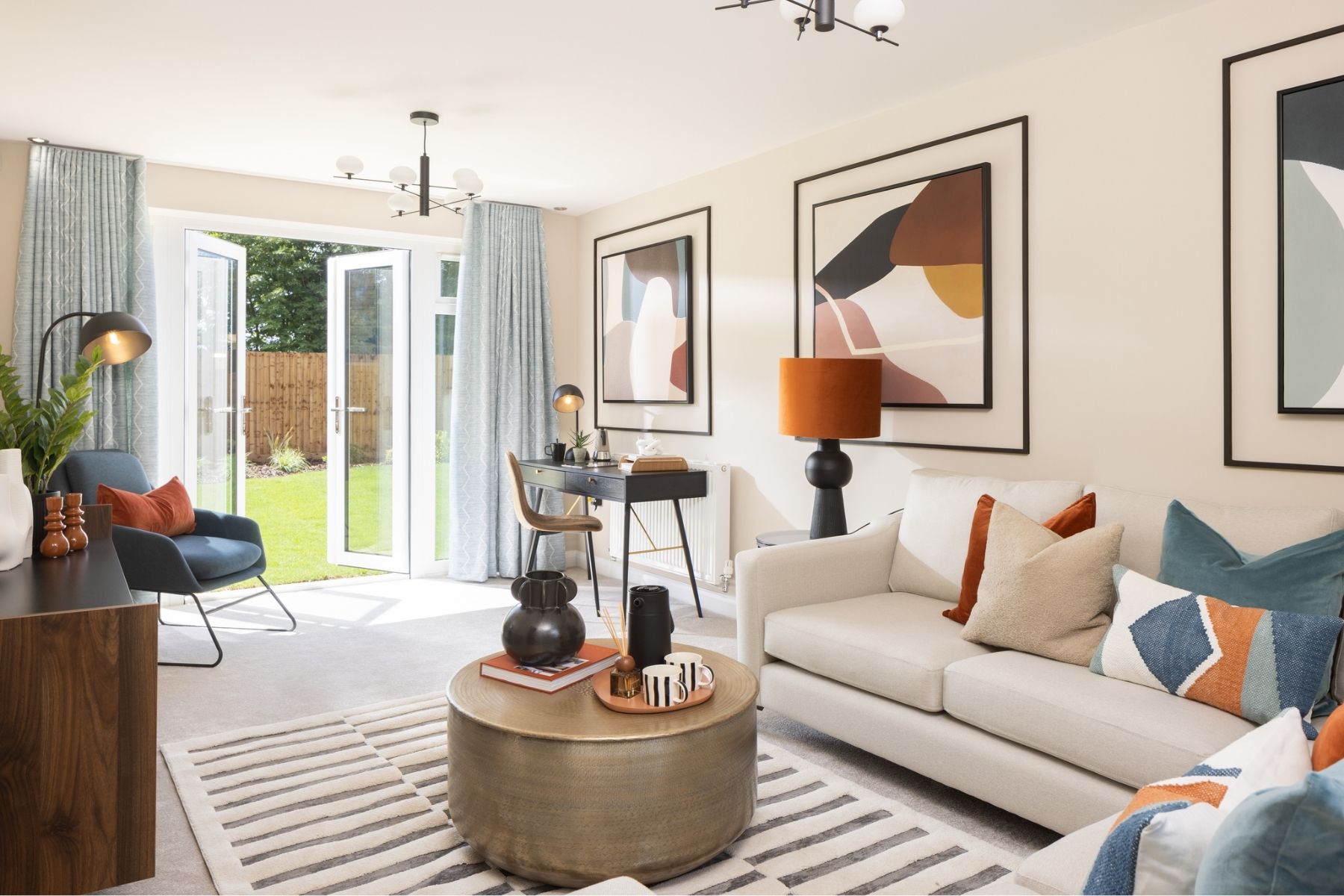
Sharp, angular furniture is being replaced by softer, more organic shapes. Curved sofas, rounded coffee tables, arched doorways and sculptural chairs are all defining features of 2026 interiors.
This trend reflects a broader desire for comfort and visual softness. Rounded shapes are inherently more inviting than rigid lines and they create a sense of movement and flow within a room.
Oversized, plush seating is especially popular. Deep sofas and lounge worthy armchairs are becoming centrepieces, designed for relaxation rather than formal entertaining. Many of these pieces have a sculptural quality, functioning as both furniture and statement art.
Instead of matching furniture sets, rooms are being built around one or two distinctive pieces that anchor the space.
The rise of texture rich interiors
Flat, uniform surfaces are falling out of favour. In their place, designers are layering textures to create depth and interest.
In 2026, rooms are filled with tactile elements: boucle upholstery, woven rugs, linen curtains, ceramic vases and textured wall finishes. Even ceilings and floors are being treated as opportunities for expression, rather than simply functional surfaces.
Layering textures helps create spaces that feel lived-in and comfortable. It also adds visual complexity without relying on bold colours or patterns.
For example, a neutral living room might feature a linen sofa, a wool rug, a wooden coffee table and a plaster wall finish. Each element is subtle on its own, but together they create a rich, layered environment.
Midimalism: The Evolution of Minimalism
Minimalism isn’t disappearing in 2026, but it is evolving into something softer and more personal. This new approach is often referred to as midimalism.
Instead of stripping spaces down to the bare essentials, midimalism focuses on keeping only items that have meaning or purpose. The result is a curated, comfortable space rather than a stark, empty one.
Vintage pieces, family heirlooms and collected objects are being mixed with modern furniture. The emphasis is on personality rather than perfection.
Rooms are no longer expected to look like showroom displays. Instead, they reflect the lives and tastes of the people who live in them. This shift encourages more experimentation, mixing styles and eras rather than sticking to one strict aesthetic.
The return of colour
After years of grey palettes and all-white interiors, colour is making a strong comeback in 2026.
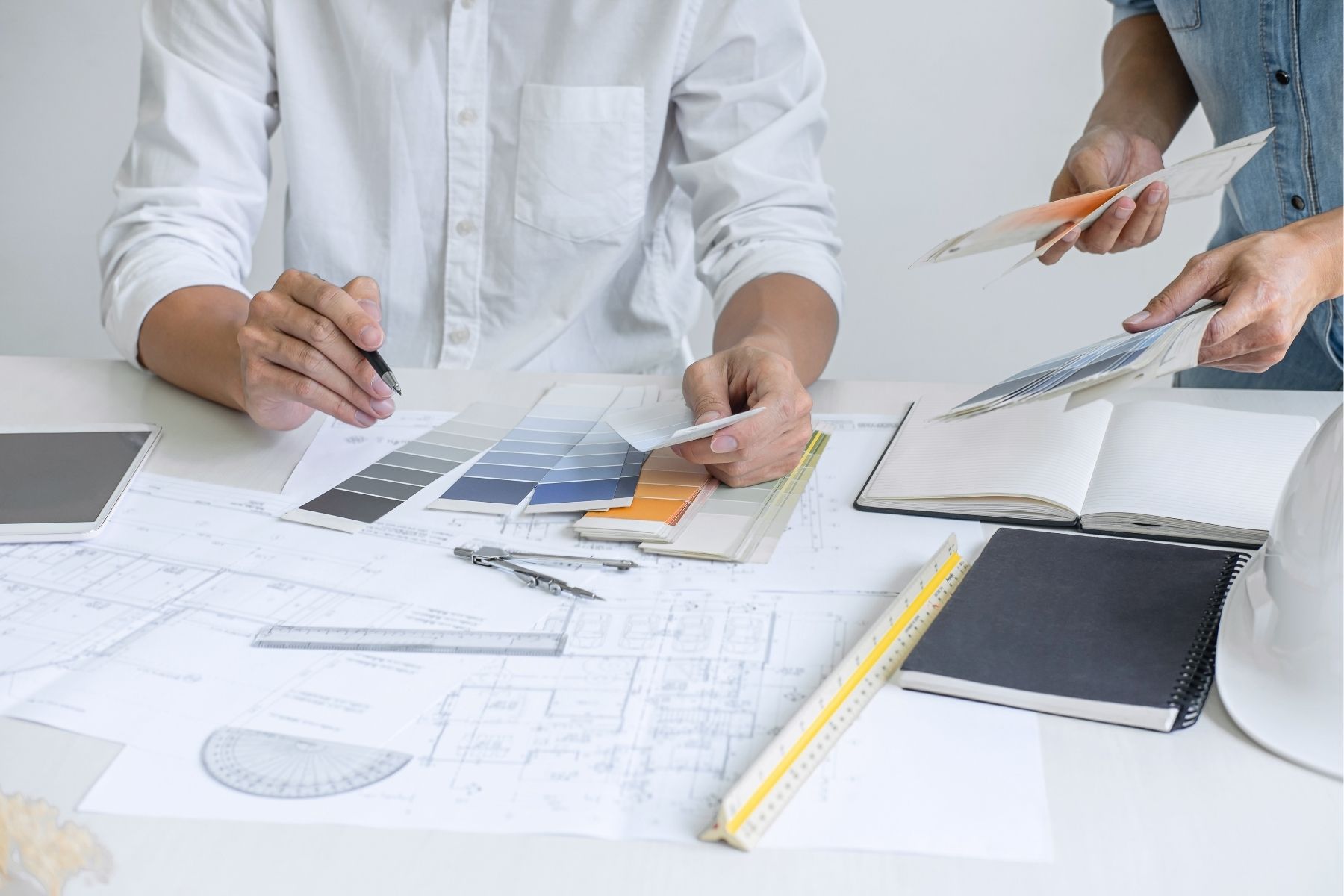
Designers are moving toward warmer, richer tones that create a sense of comfort and depth. Earthy hues such as terracotta, ochre, clay, moss green and warm browns are especially popular.
Soft blues, muted pastels and creamy whites are also appearing, often layered together rather than used in isolation. The goal is to create a palette that feels natural and cohesive rather than stark or overly contrasted.
Kitchens are one of the main areas where colour is returning. Painted cabinetry, coloured tiles and mixed-material finishes are replacing the once-dominant white-on-white look.
Overall, the trend is less about bold statement colours and more about subtle, layered palettes that feel warm and inviting.
Modern nostalgia and retro influence
Another defining theme of 2026 interiors is the influence of past decades. However, this isn’t about recreating vintage rooms exactly as they were. Instead, designers are blending nostalgic elements with contemporary finishes.
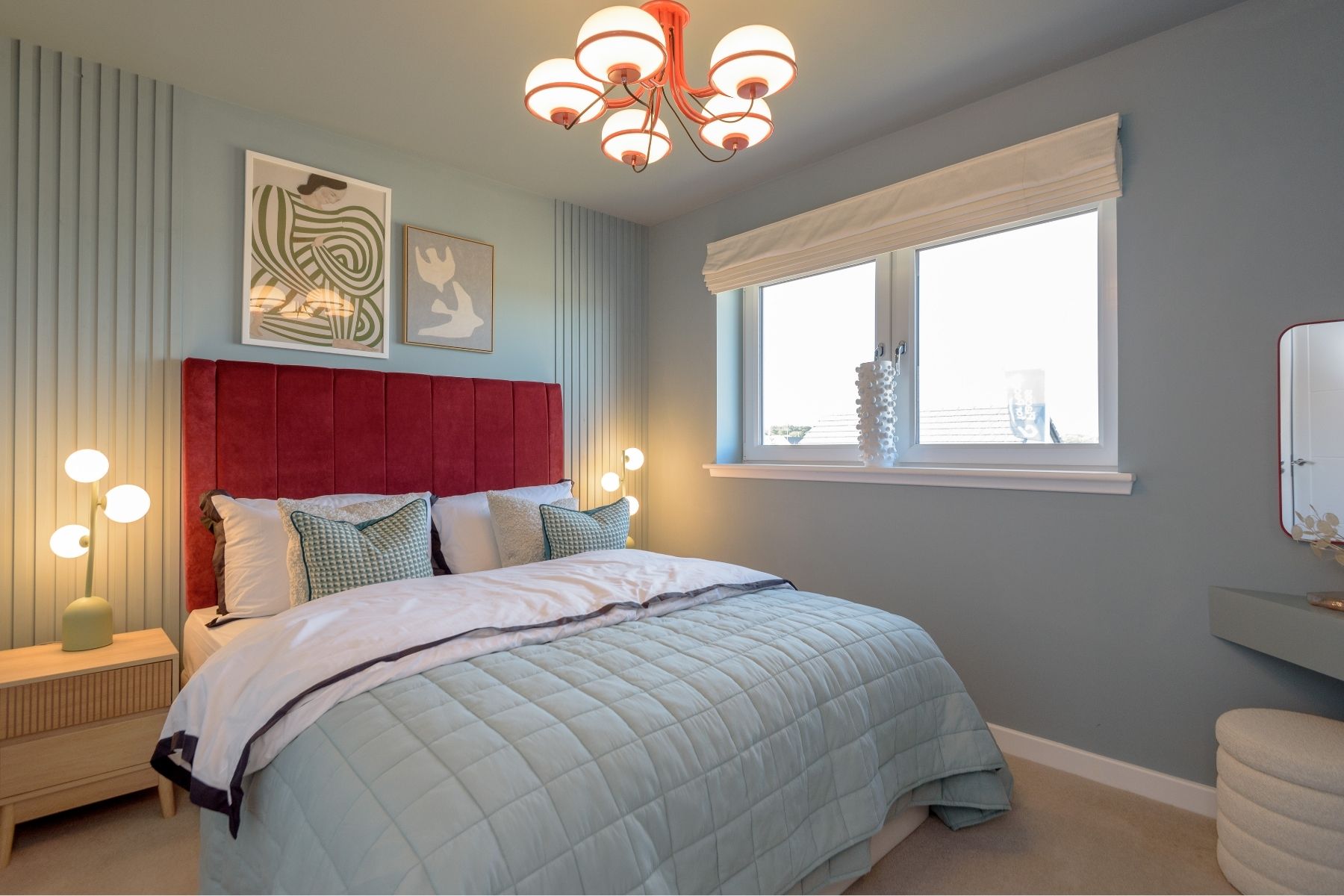
Art Deco details are making a return, particularly in lighting, mirrors and furniture. Expect to see curved lines, geometric shapes and metallic accents used in a more restrained, modern way.
There is also a growing interest in 1970s inspired design. Geometric patterns, warm colour palettes and textured fabrics are reappearing but with updated materials and cleaner silhouettes.
This trend reflects a broader desire for interiors that feel familiar and comforting. By referencing past styles, spaces gain a sense of history and personality.
Comfort focused layouts
In 2026, the way rooms are arranged is just as important as how they look. Comfort and flexibility are driving layout decisions.
Formal living rooms are becoming less common. Instead, spaces are designed for relaxation, conversation and everyday use. Modular sofas, movable seating and multi-purpose furniture allow rooms to adapt to different activities.
Open-plan spaces are still popular, but they are being softened with zoning techniques such as rugs, lighting and furniture groupings. This helps create a sense of intimacy within larger areas.
There is also a growing focus on indoor outdoor living. Natural materials, large windows and sliding doors help blur the boundary between interior and exterior spaces.
The move toward low-tech, mindful spaces
As technology becomes more integrated into daily life, many homeowners are seeking balance by creating low-tech areas within the home.
Bedrooms, in particular, are being designed as restful, distraction free environments. Televisions, bright screens and excessive gadgets are being removed in favour of softer lighting, natural materials and calming colour palettes.
Analog elements such as books, record players and handcrafted objects are returning. These items encourage slower, more intentional living.
This trend reflects a broader shift toward wellness and mindfulness. Homes are being seen not just as places to live, but as environments that support mental and emotional well being.
Sustainability and longevity
Underlying many of the 2026 trends is a focus on sustainability and long-term thinking. Rather than following fast-moving trends, homeowners are investing in pieces that will last.
Quality craftsmanship, durable materials and timeless designs are being prioritised over disposable decor. Vintage and second-hand furniture are also becoming more popular, both for environmental reasons and for the character they add to a space.
This approach aligns with the broader movement toward slower, more conscious consumption.
Statement lighting and artistic touches
Lighting is taking on a more decorative role in 2026 interiors. Instead of purely functional fixtures, homeowners are choosing pieces that double as art.
Sculptural pendants, oversized floor lamps and unusual materials are all part of this trend. Lighting is often used as a focal point, drawing the eye and adding personality to a room.
Art is also becoming more prominent. Large-scale paintings, gallery walls and handmade pieces are replacing mass-produced prints. The goal is to create spaces that feel unique and expressive.
The overall mood of 2026 interiors
When all these trends are viewed together, a clear picture emerges. Interiors in 2026 are:
- Warmer and more tactile
- More personal and less trend driven
- Focused on comfort and well-being
- Inspired by nature and nostalgia
- Layered with texture and subtle colour
The sterile, perfectly minimal home is being replaced by spaces that feel lived-in, welcoming and authentic.
Final thoughts
The interior trends of 2026 reflect a broader cultural shift. After years of fast trends, digital overload and ultra-polished aesthetics, people are seeking homes that feel real, comfortable and meaningful.
Natural materials, soft shapes, layered textures and personal collections are all part of this new direction. Instead of chasing perfection, the focus is on creating spaces that support everyday life and reflect individual taste.
In many ways, 2026 interiors are less about following a specific style and more about embracing a feeling: warmth, comfort and authenticity. Homes are becoming places of restoration, creativity and connection. Exactly what many people are craving in a fast paced world.
Article overview
Interior design in 2026 is moving toward warmth, comfort and individuality. The stark minimalism of previous years is being replaced by softer, more human-centred spaces that prioritise natural materials, layered textures and personal character.
Wood, stone, linen and other organic finishes are dominating interiors, while curved furniture and sculptural shapes create a relaxed, welcoming feel.
Colour is also making a return, with earthy tones and subtle, layered palettes replacing all white or grey schemes. At the same time, minimalism is evolving into a more personal approach, often called midimalism, where meaningful objects and vintage pieces are mixed with modern elements.
Comfort focused layouts, modular furniture and low tech, mindful spaces reflect a growing desire for homes that support wellbeing. Overall, 2026 interiors are about creating environments that feel authentic, tactile and lived in, rather than perfectly polished or trend driven.
Article overview composed with the help of AI
Disclaimer
newhomesforsale.co.uk is an information platform and not a financial advisor, mortgage broker or mortgage lender. Always get financial advice before making significant decisions about your money, mortgages and buying a house.
Publish date 26th February, 2026
Reading time: 5 minutes
Written by Heather Bowles