Shared Ownership explained: Who owns the other share?
Shared Ownership is a popular housing scheme designed to help people get onto the property ladder with a smaller deposit and mortgage. While it can make homeownership more accessible, it often raises an important question: who owns the other half of your Shared Ownership home?
If you currently own a share of your property, understanding who holds the remaining share and what that means for you is essential. This guide explains how Shared Ownership works, who the other owner typically is and how you can confirm the details of your specific arrangement.
Who owns the remaining share?
In most cases, the remaining share of your Shared Ownership home is owned by a Housing Association, also known as a registered provider.
Housing Associations are not for profit organisations that provide affordable housing. Some of the largest in England include:
Why do Housing Associations retain a share?
Housing associations retain ownership of part of the property to:
- Reduce the upfront cost for buyers
- Maintain affordability within the housing market
- Ensure long term availability of affordable housing
- Generate rental income to reinvest into new housing developments
By retaining a percentage, the Housing Association makes it possible for buyers to purchase a smaller share initially. Lowering both deposit requirements and mortgage borrowing.
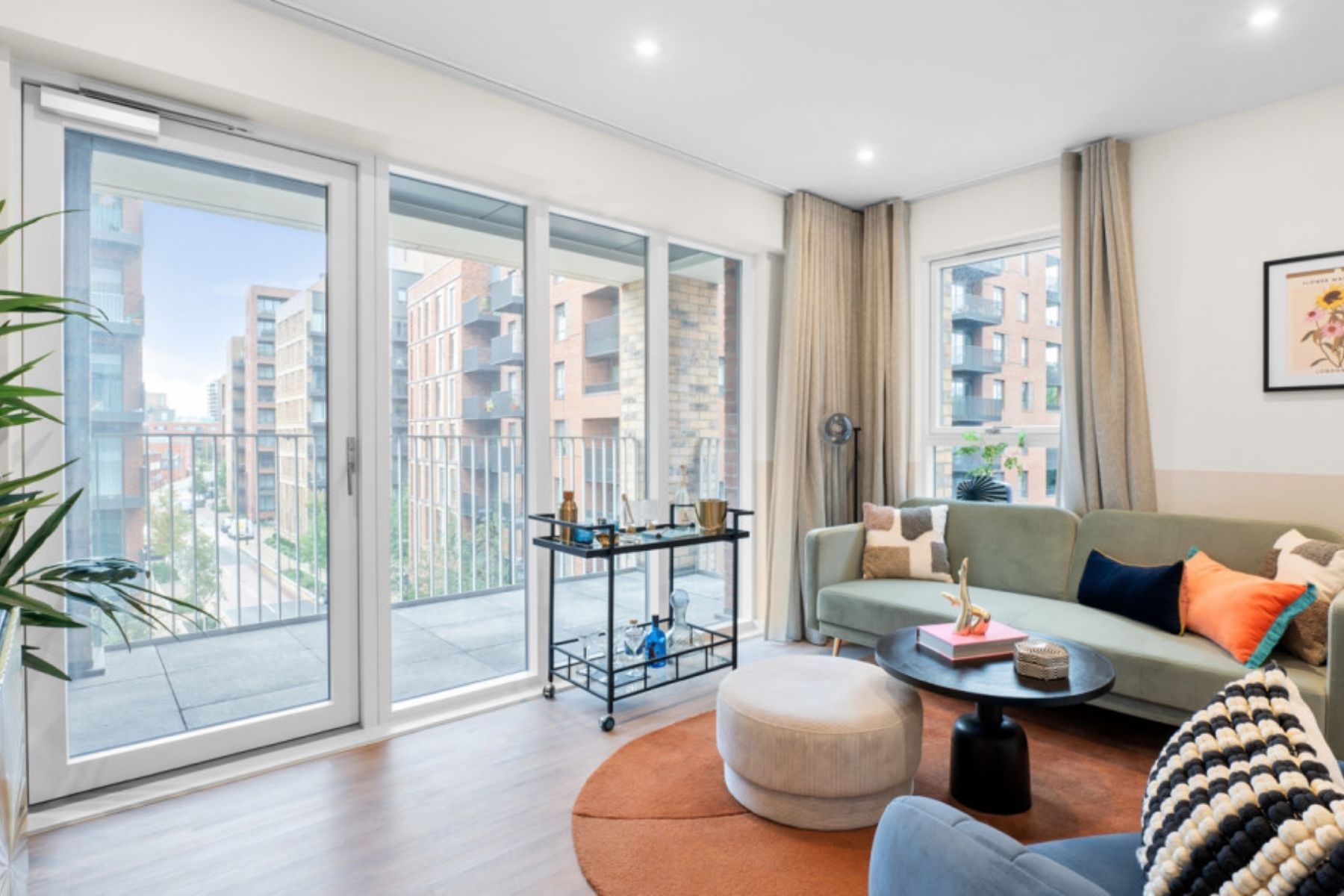 Enquire at Alexandra Gate in Haringey, Greater London by L&Q
What does this mean legally?
Although you are buying a share of the property, you do not typically own a physical half of the home. Instead, you own a percentage of the lease.
Most Shared Ownership properties are sold on a long lease (often 99 or 125 years, though newer leases may be 990 years). The Housing Association usually remains the freeholder or sometimes there may be a separate freeholder if the building is part of a larger development.
Your lease agreement will set out:
- The percentage you own
- The percentage owned by the Housing Association
- The rent you must pay on the remaining share
- Your rights and responsibilities
- Conditions for staircasing
It is important to understand that while you are responsible for maintaining the property (even the part you do not own), the Housing Association retains a financial stake in it.
How rent on the remaining share works
You pay rent on the portion of the property owned by the Housing Association. This rent is typically set at a percentage often around 2.75% of the value of the unsold share when you first buy.
For example:
- Property value: £300,000
- You buy 50% (£150,000)
- Housing association retains 50% (£150,000)
- You pay rent on that £150,000 share
The rent usually increases annually, often linked to inflation.
Even though you are part owner, you are still considered a tenant of the Housing Association for the portion you do not own.
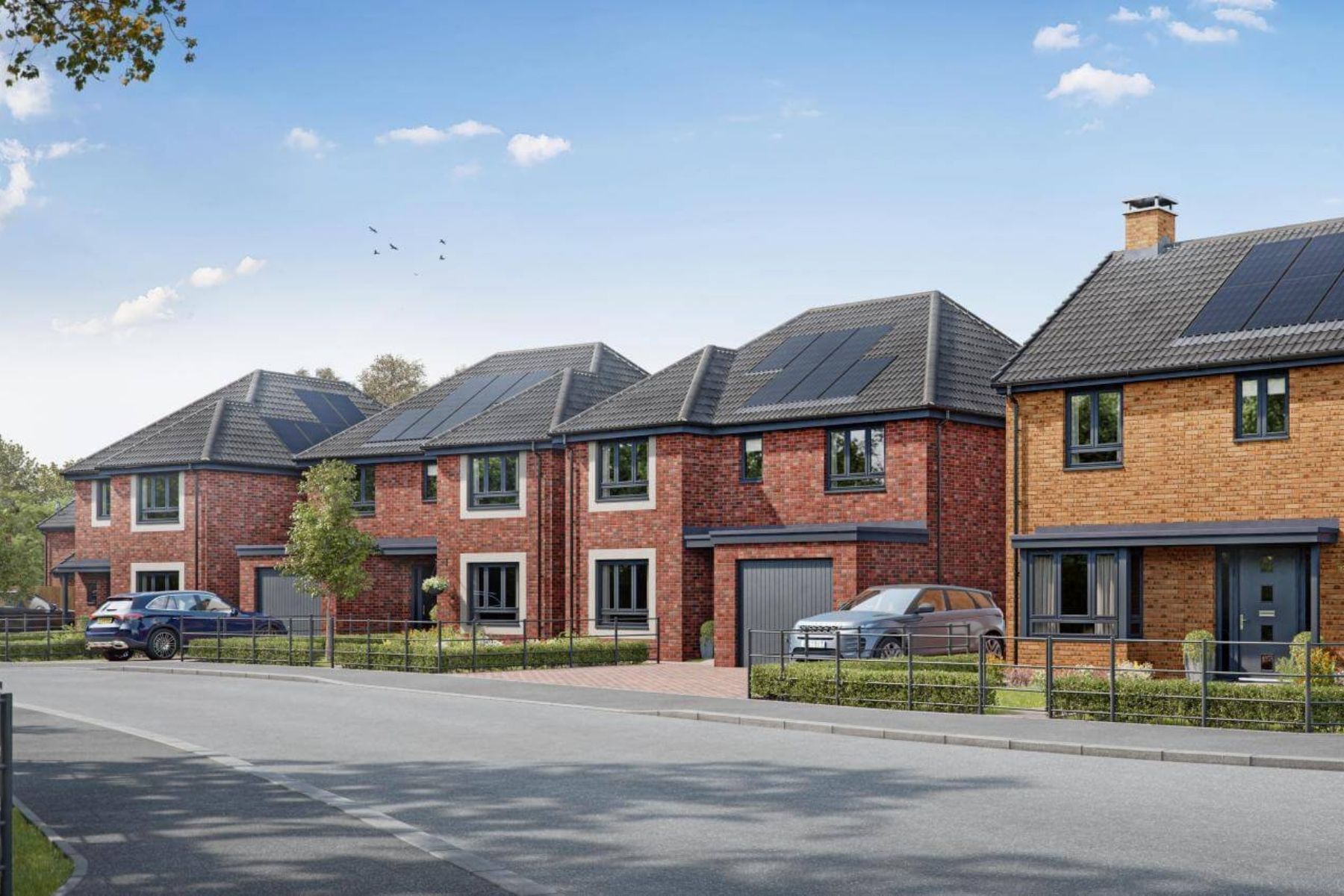 Enquire at Cleeve Gardens in Bishops Cleeve by Platform Housing Group
Can you ever own 100%?
Yes!
Through a process called staircasing, you can purchase additional shares in your home over time. This may be:
- In fixed increments (e.g., 10% at a time)
- In flexible amounts, depending on your lease
Once you staircase to 100%, you stop paying rent on the remaining share. At this point, you may either:
- Own the lease outright (if leasehold), or
- Potentially acquire the freehold as well (depending on the scheme and property type)
However, some newer Shared Ownership homes are subject to restrictions that limit staircasing to less than 100%, particularly in certain rural or protected areas.
Who owns the freehold?
The answer depends on the property type.
If You Own a Flat...
The building is almost always leasehold. The freehold may be owned by:
- The Housing Association
- A separate freeholder
- A management company
Even if you staircase to 100%, you may still be a leaseholder rather than a freeholder.
Learn more about Leasehold and Freehold here.
If you own a house...
Historically, many Shared Ownership houses were leasehold. However, recent changes have encouraged more freehold transfers once 100% ownership is achieved. Your lease or title documents will clarify this.
How to confirm who owns the other share
If you are unsure who owns the remaining share of your home, there are a few straightforward ways to find out.
1. Check your lease agreement
Your lease is the primary legal document that outlines ownership. It will clearly state:
- The landlord (usually the Housing Association)
- The percentage split
- Rent arrangements
If you purchased through a solicitor, they should have provided a copy during completion.
2. Review your mortgage documents
Your mortgage offer and completion paperwork will reference the Shared Ownership structure and identify the Housing Association involved.
3. Search the land registry
You can obtain a copy of your property’s title register from HM Land Registry for a small fee.
The title register will show:
- The registered leaseholder (you)
- The freeholder
- Any restrictions related to Shared Ownership
This is often the clearest and most reliable source of ownership information.
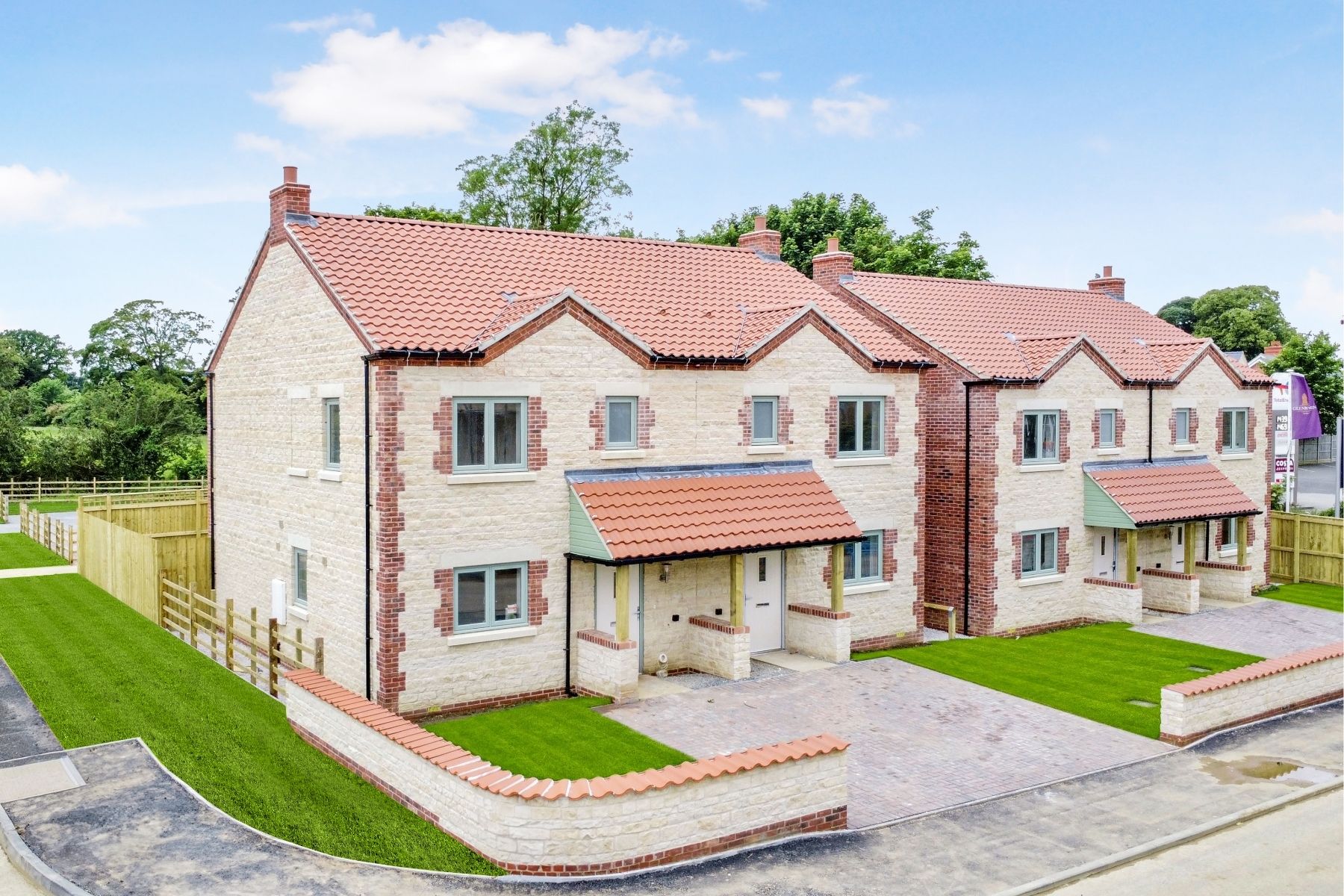 Enquire at Kings Meadow in Leadenham by Home Reach
Responsibilities between you and the Housing Association
Shared Ownership can sometimes feel confusing because responsibilities do not always align with ownership percentages.
Typically:
- You are responsible for day to day repairs and maintenance
- You must obtain permission for structural changes
- You pay 100% of service charges (where applicable), even if you own less than 100%
The Housing Association, meanwhile:
- Collects rent on its share
- Manages communal areas (if applicable)
- Retains certain rights under the lease
Understanding this division of responsibility is important to avoid disputes or unexpected costs.
Key takeaways
If you own a Shared Ownership home, the “other half” is almost always owned by a Housing Association. You are both a homeowner and in part, a tenant.
To summarise:
- You own a percentage of the lease.
- A Housing Association typically owns the remaining share.
- You pay rent on the portion you do not own.
- You may be able to staircase to 100%.
- Your lease and Land Registry documents confirm the legal details.
Understanding who owns the other share of your property helps you make informed decisions about staircasing, selling or long term financial planning.
If you are unsure about your exact arrangement, reviewing your lease or obtaining a copy of your title register is the best place to start.
Article overview
Shared Ownership is designed to make getting onto the property ladder more affordable, but many buyers are unsure who owns the remaining share of their home. In most cases, the portion you do not own is held by a Housing Association, also known as a registered provider. You purchase a percentage of the property — often between 10% and 75% — using a mortgage, and pay rent on the share retained by the Housing Association.
Although you live in the property and are responsible for most maintenance and repairs, legally you own a share of the lease rather than a physical part of the building. The Housing Association remains your landlord for the unsold share and sets the rent according to the terms outlined in your lease. This rent typically increases annually.
Many Shared Ownership leases allow you to buy additional shares over time through a process called staircasing. In some cases, you can eventually own 100% of the property and stop paying rent, though leasehold conditions may still apply.
To confirm exactly who owns the remaining share of your home, you should review your lease agreement or obtain a copy of your title register from HM Land Registry.
Article overview composed with the help of AI
Disclaimer
newhomesforsale.co.uk is an information platform and not a financial advisor, mortgage broker or mortgage lender. Always get financial advice before making significant decisions about your money, mortgages and buying a house.

Publish date 13th March, 2026
Reading time: 3 minutes
Written by Heather Bowles