
Building Homes with Hedgehogs in Mind
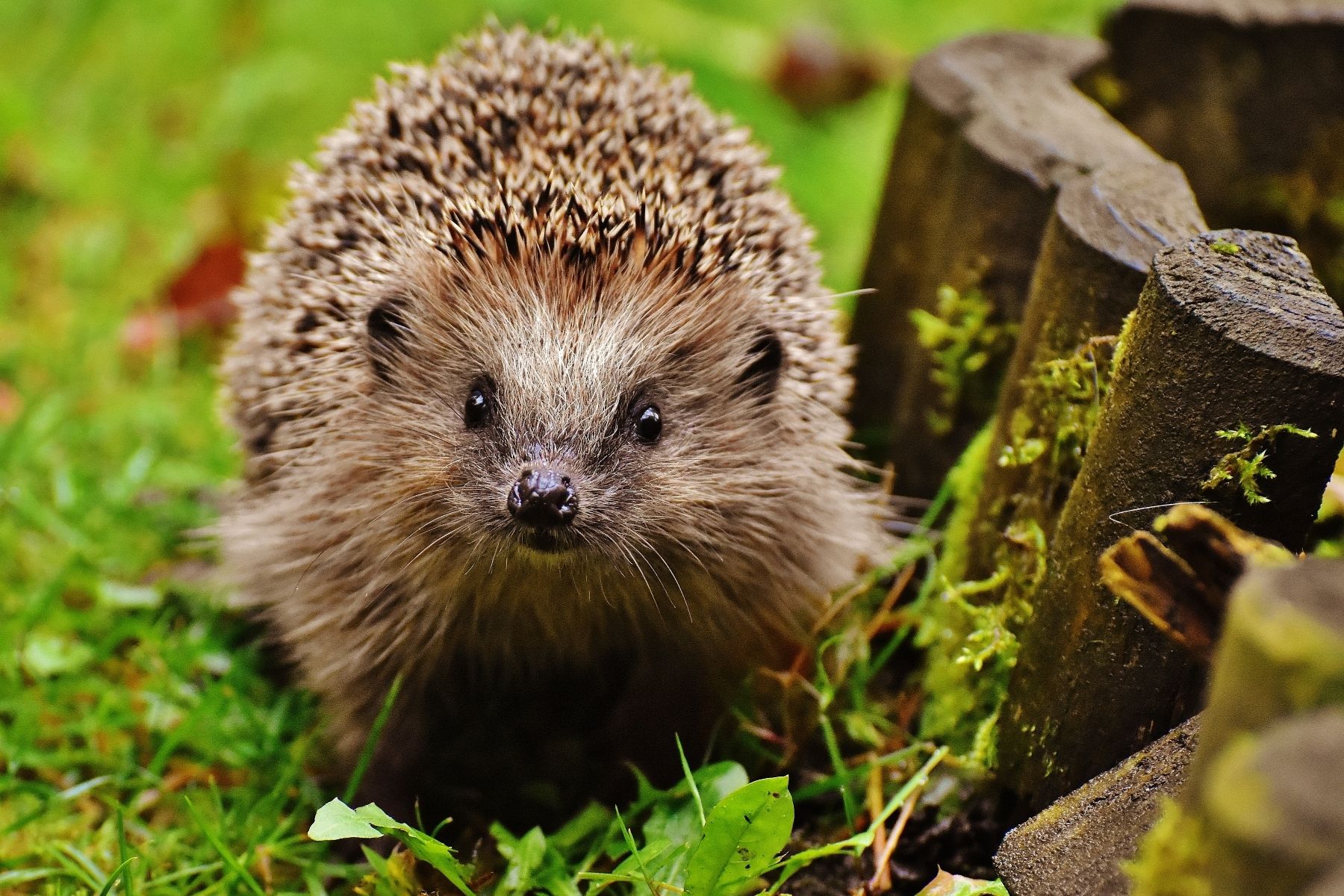
In the quiet corners of British gardens, the rustle of leaves at dusk often signals the presence of one of the country’s most endearing residents: the hedgehog. Once a common sight across towns and countryside, hedgehogs have been facing a worrying decline in recent decades.
As urbanisation spreads and landscapes change, these small, spiny mammals are increasingly challenged by fragmented habitats and barriers that limit their movement.
The British Hedgehog Preservation Society, established in 1982, has emerged as the leading organisation dedicated to the conservation and welfare of hedgehogs in the United Kingdom.While the society is widely recognised for its work in gardens, hedgehog rescues and public awareness campaigns, a growing focus has emerged on how new housing developments can either harm or help hedgehog populations. In this light, the society has been forging partnerships with homebuilders to ensure that new communities can coexist with nature.
Why hedgehogs need our help
Hedgehogs are surprisingly active creatures. Despite their small size, they can travel significant distances each night in search of food, shelter and mates. Historically, Britain’s hedges, fields and connected gardens allowed them to roam freely. But today, roads, fences and sprawling housing developments have disrupted these corridors.
The loss of connectivity between habitats is one of the biggest threats to hedgehogs. Unlike some wildlife that can adapt to urban environments more easily, hedgehogs are particularly vulnerable to obstacles like closed-off gardens, artificial lighting and busy roads. Without access to multiple gardens and green spaces, their foraging areas shrink, and survival becomes more difficult.
Hedgehog Highways: A small change with big impact
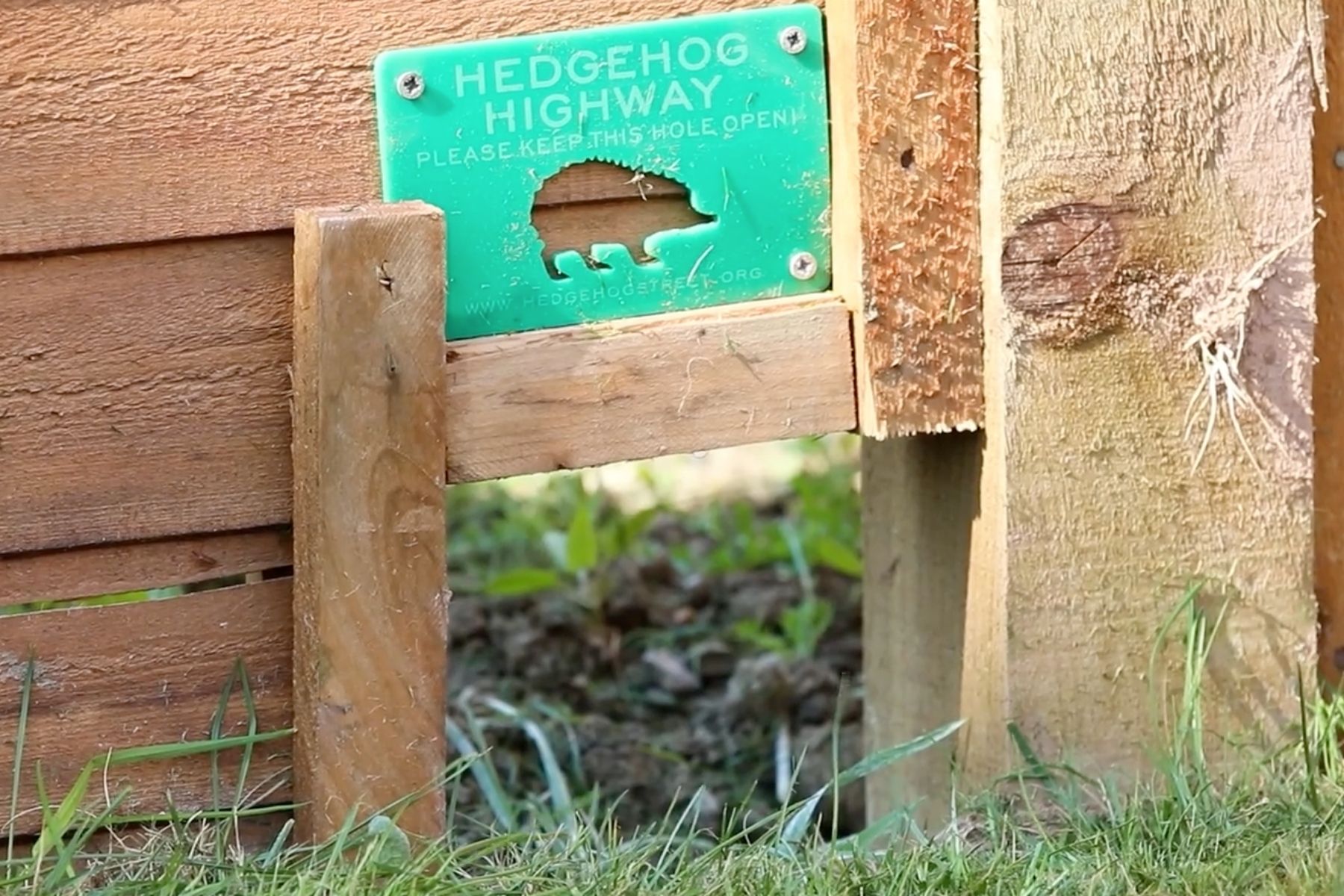
One of the most effective tools the British Hedgehog Preservation Society promotes is the concept of hedgehog highways. These are small gaps, usually around the size of a CD case, cut into garden fences or walls.
While seemingly minor, these openings allow hedgehogs to move freely between gardens and open spaces, reconnecting fragmented habitats.
Hedgehog highways are simple, cost effective and easy to implement. For new housing developments, incorporating them from the start is significantly easier than retrofitting existing communities.
By allowing hedgehogs to travel across multiple gardens, developers can create neighbourhoods where wildlife thrives alongside human residents.
New builds as an opportunity
Every year, tens of thousands of new homes are constructed across England. While this growth is essential for addressing housing needs, it also presents both a challenge and an opportunity for wildlife conservation.
If designed without consideration for nature, new developments can act as barriers, cutting hedgehogs off from green spaces and neighbouring gardens.
However, when developers work with wildlife conservation principles, these same spaces can become safe havens for hedgehogs and other small mammals.
The British Hedgehog Preservation Society has been proactive in encouraging developers to embrace hedgehog friendly design. This includes creating green corridors, preserving existing hedgerows and planting native shrubs that provide both shelter and food.
In this context, new builds are not just places for people to live; they can become carefully planned habitats that support biodiversity.
Partnerships with developers
In recent years, several national house builders have partnered with the British Hedgehog Preservation Society to implement hedgehog friendly features on their developments. These collaborations have led to the integration of hedgehog highways and other wildlife friendly measures into new communities.
For example, some developers have committed to cutting hedgehog highways in all gardens across their new estates, accompanied by signage to educate homeowners about their purpose.
These measures not only support hedgehogs but also foster a sense of environmental responsibility among residents. When homeowners understand that a small gap in their fence helps local wildlife, they are more likely to maintain it and participate in broader conservation efforts.
Beyond highways, developers are increasingly planting native species, creating log piles and designing communal green spaces that function as wildlife corridors. By integrating these features, new housing estates can serve both people and wildlife, ensuring that the landscape remains interconnected and functional for hedgehogs.
Emma Sueref, Vistry sustainability and new business manager, said: “Vistry is proud to be supporting the BHPS - in 2020 we were the first house builder to launch a commitment to include Hedgehog Highways on all our developments where safe to do so. We’re delighted to say we’re delivering on this commitment across the country from Cornwall to Yorkshire.
Learn more about how the Vistry group are protecting hedgehogs within their developmentsThe broader vision: Designing new homes for nature
Hedgehog highways are just one piece of the puzzle. The British Hedgehog Preservation Society advocates a holistic approach to wildlife friendly housing design. This includes protecting natural habitats during construction, reducing pesticide use and providing opportunities for hedgehogs and other animals to nest and forage.
For developers, this approach requires planning beyond the confines of individual gardens. Consideration must be given to the entire estate, including how homes, roads and green spaces interconnect. Properly designed, a neighborhood can become a vibrant ecosystem where humans and wildlife coexist harmoniously.
The potential impact of these changes is enormous. If all new developments incorporated hedgehog friendly design from the outset, thousands of hedgehogs could benefit annually.
Moreover, the approach benefits more than just hedgehogs. Other small mammals, birds and pollinators thrive in environments where native plants, connected green spaces and safe passages are prioritised.
Challenges to implementation
Despite progress, challenges remain. Hedgehog highways are not mandatory, meaning that many developers do not include them unless guided by partnerships or advocacy.
Even when highways are installed, the long-term success depends on homeowners keeping them unobstructed. Residents may block the gaps unknowingly or landscaping changes could inadvertently eliminate access.
The society continues to emphasise education as a key component. Every new homeowner needs to understand the role their garden plays in supporting local wildlife. This ongoing engagement is critical to maintaining the network of connected habitats that hedgehogs need to survive.
How homebuyers can help
Individuals moving into new builds also have a role to play. Homeowners can:
- Keep hedgehog highways open and clear of obstacles.
- Plant native shrubs and wildflowers to provide food and shelter.
- Install hedgehog houses or create log piles in gardens.
- Avoid using pesticides and provide shallow water sources.
- Participate in community initiatives to monitor and support local wildlife.
Even small actions can have a big impact. A single hedgehog may traverse multiple gardens in one night. The cumulative effect of individual homeowners working together creates a continuous, safe environment for these animals.
A vision for the future
The work of the British Hedgehog Preservation Society highlights a fundamental truth: wildlife conservation and modern housing do not have to be at odds. Thoughtful design, informed by a deep understanding of animal behavior and habitat needs, can create communities where humans and wildlife thrive side by side.
By focusing on new builds, the society addresses the most significant opportunities for change. Each new development is a chance to embed wildlife-friendly features from the start, rather than trying to retrofit existing estates later.
This proactive approach has the potential to make a meaningful difference in reversing hedgehog decline across the country.
Hedgehogs are more than just symbols of the British countryside; they are indicators of the health of our ecosystems. Supporting them within our urban and suburban environments reflects a broader commitment to biodiversity and sustainability.
Through its advocacy, partnerships and public education, the British Hedgehog Preservation Society demonstrates that it is possible to build homes that are both human friendly and hedgehog friendly.

In conclusion
The quiet presence of a hedgehog in a garden might seem small, but it represents a larger connection between people, nature, and the spaces we inhabit. The British Hedgehog Preservation Society has shown that even amidst rapid urban growth and new housing developments, wildlife can have a place.
Through initiatives like hedgehog highways, collaboration with developers, and public engagement, the society has created pathways, for hedgehogs to thrive alongside humans. New build homes, when designed with care, can be part of the solution rather than the problem.
Ultimately, the story of hedgehogs in the UK is one of hope and opportunity. By designing homes and communities that recognize the needs of wildlife, we ensure that future generations inherit a landscape where people and nature coexist in harmony.
The British Hedgehog Preservation Society continues to lead the way, proving that with knowledge, commitment and a little creativity, even the smallest creatures can find a home in a rapidly changing world.
Article overview
The British Hedgehog Preservation Society (BHPS) is at the forefront of protecting one of the UK’s most beloved wildlife species. While hedgehogs were once common in gardens and countryside, their numbers have been declining due to habitat loss, fragmented landscapes, and urban development.
Recognising the role new housing developments play in this decline, the BHPS has partnered with house builders to create hedgehog-friendly environments. Central to this effort is the introduction of hedgehog highways—small gaps in fences that allow hedgehogs to move freely between gardens and green spaces.Beyond highways, the society advocates for native planting, green corridors, and wildlife-friendly garden features that support hedgehogs and other species. By integrating these measures into new homes from the outset, developers can help reverse hedgehog decline, while homeowners learn how to maintain wildlife-friendly gardens.
The article highlights the society’s initiatives, collaborations with developers, and practical steps for creating new communities where people and hedgehogs coexist.
Article overview composed with the help of AI
Disclaimer
newhomesforsale.co.uk is an information platform and not a financial advisor, mortgage broker or mortgage lender. Always get financial advice before making significant decisions about your money, mortgages and buying a house.
Publish date 20th February, 2026
Reading time: 4 minutes
Written by Heather Bowles


