Can you harvest rainwater in a new build home?
Yes, rainwater harvesting can be installed in a new build home. It is often easier to integrate during construction, with systems such as water butts or built-in storage tanks. These systems collect rainwater from roofs for reuse in gardens or toilets. New builds are ideal because plumbing and storage can be designed into the property from the start.
Last updated: September 2026
Rainwater harvesting is becoming more important as water grows scarce, utility costs rise and environmental pressures increase.
At its core, it is a simple concept: collecting and storing rainwater for later use rather than allowing it to run off into drains or soak unused into the ground.
However, behind this simplicity lies a powerful, practical solution that can benefit households, communities and ecosystems alike.
What is rainwater harvesting?
Rainwater harvesting is the process of capturing precipitation, usually from rooftops and storing it for reuse. Instead of relying only on mains water from public systems, harvested rainwater can serve many uses.
It can water gardens, flush toilets, wash cars or people can even drink it. Drinking rainwater is only safe if it is properly treated.
Historically, rainwater harvesting has been practiced for thousands of years. Ancient civilisations in places like India, Rome and the Middle East developed sophisticated systems to collect and store rainwater in tanks, cisterns and underground reservoirs.
Today, the practice is being revived and modernised as part of sustainable living efforts.
The basic idea is to intercept rain where it falls, direct it into a storage system, and then reuse it when needed. This reduces demand on freshwater sources like rivers, reservoirs and aquifers. Many of which are under strain due to overuse and climate change.
Why is rainwater harvesting important?
There are several reasons why rainwater harvesting is gaining popularity.
First, it conserves water. Even in relatively wet climates like the UK, water shortages can occur due to population growth, infrastructure limitations or seasonal droughts. Capturing rainwater helps reduce reliance on treated mains supplies.
Second, it reduces water bills. Using collected rainwater for non-drinking purposes means less reliance on metered mains water, which can lead to noticeable savings over time.
Third, it helps manage stormwater runoff. Heavy rainfall can overwhelm drainage systems, leading to flooding and pollution. By capturing rainwater, households can reduce the volume of water entering drains and sewers.
Fourth, it is environmentally friendly. Rainwater harvesting reduces the energy required to treat and pump water through municipal systems, lowering carbon emissions.
Finally, it promotes a level of self-sufficiency. Having stored water can be particularly useful during hosepipe bans or temporary restrictions.
How does rainwater harvesting work?
A typical rainwater harvesting system consists of several key components:
- A catchment area (usually the roof)
- Gutters and downpipes
- A filter system to remove debris
- A storage container (such as a tank or water butt)
- A method of distribution (tap or pump)
When it rains, water flows from the roof into gutters, down through pipes and into storage.
How do I start rainwater harvesting?
Basic system: Water butts
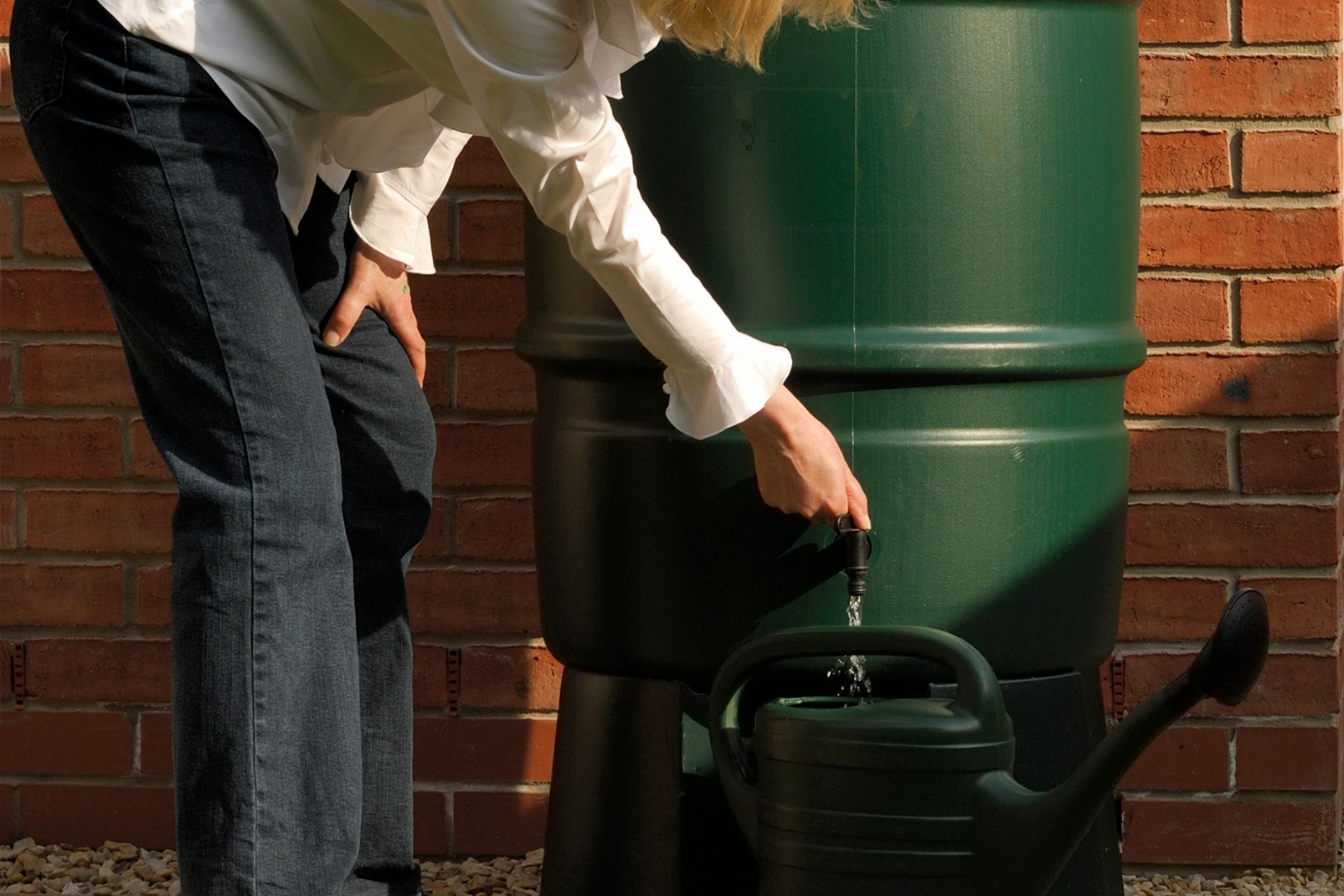
The easiest and most common way to begin is by installing a water butt. This is simply a container connected to a downpipe that collects rainwater.
To set one up:
- Position the water butt near a downpipe
- Install a diverter kit to direct water into it
- Raise it on a sturdy base so you can access the tap
- Keep it covered to prevent debris and contamination
Water butts are affordable, easy to install, and typically hold between 100 and 300 litres.
Mid-level setup: Connected water butts
If one water butt isn’t enough, you can connect multiple units together. This increases storage capacity without requiring a full system overhaul.
Advanced system: Full household systems
More advanced setups can supply water for toilets, washing machines, and outdoor taps. These systems usually include:
- Large storage tanks (often underground)
- Pumps to move water into the house
- Filtration systems
They are more expensive and often require professional installation, but they significantly reduce mains water usage.
What can people use harvested rainwater for?
Rainwater is naturally soft and suitable for many non-drinking uses:
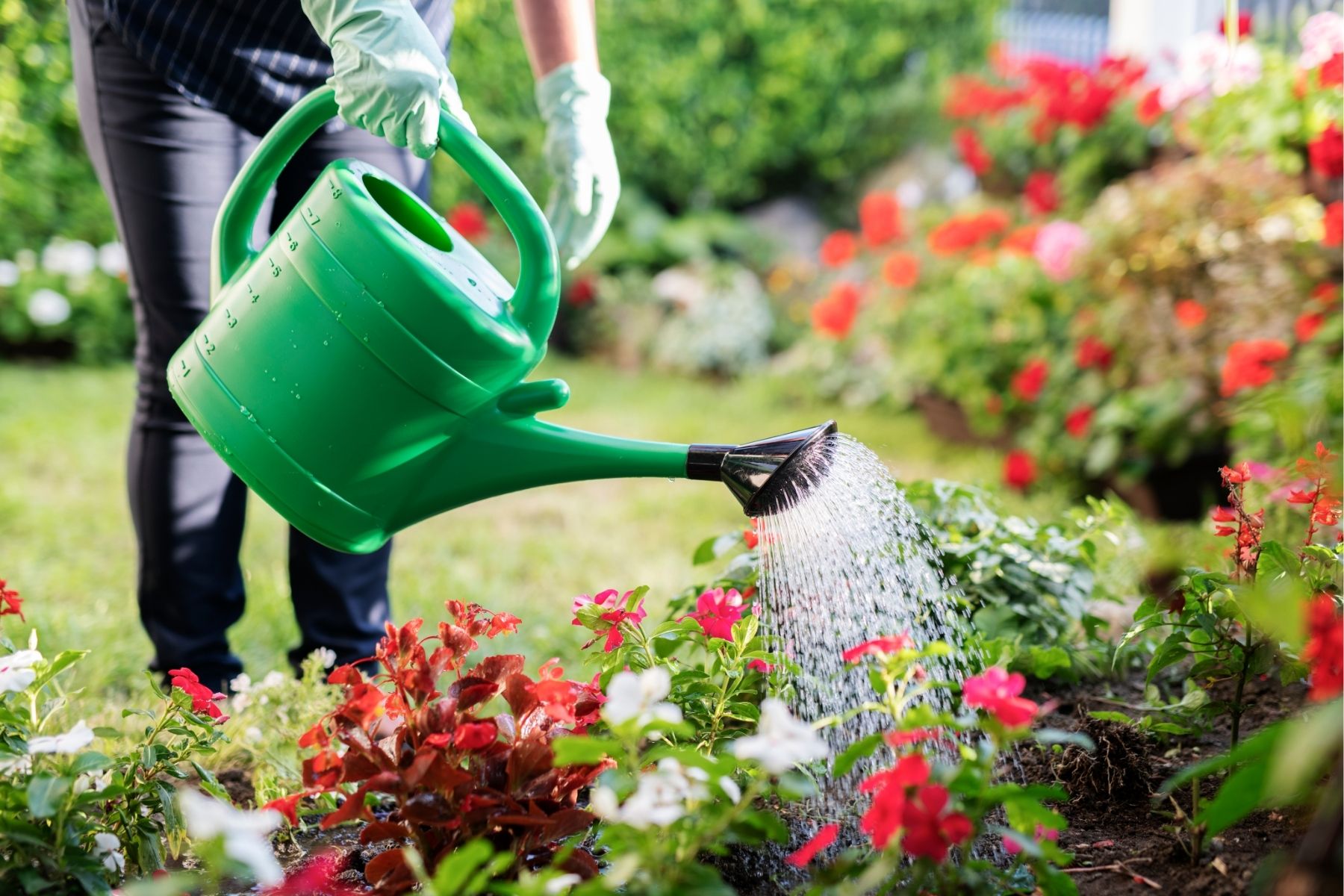
- Watering gardens and lawns
- Washing cars
- Cleaning patios and outdoor areas
However, you should not use untreated rainwater for drinking or cooking.
Maintenance and care
Rainwater harvesting systems are generally low maintenance, but regular upkeep is important:
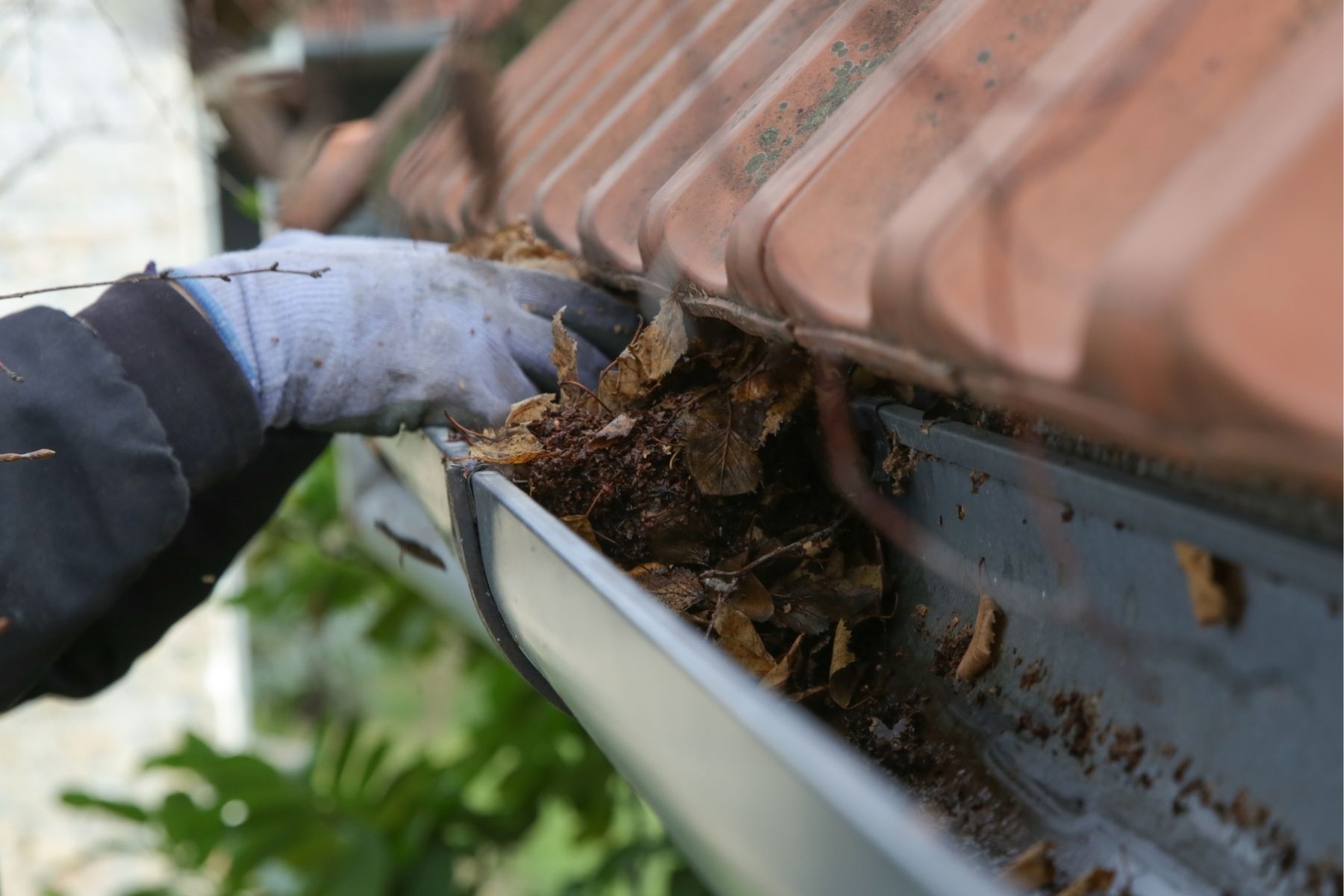
- Clean gutters to prevent blockages
- Remove debris from filters
- Keep storage containers sealed
- Check for leaks or damage
- Prepare systems for winter to prevent freezing
Routine maintenance ensures better water quality and system longevity.
How does rainwater harvesting help reduce your carbon footprint?
Rainwater harvesting doesn’t just save water - it also plays a meaningful role in reducing your carbon footprint. Every litre of mains water supplied to your home has gone through energy-intensive processes. Including extraction, treatment and pumping through infrastructure. These steps all require electricity, which often results in carbon emissions.
By using harvested rainwater for everyday tasks like watering your garden, flushing toilets or washing your car. You reduce demand on these centralised systems. Less demand means less energy is required overall, which helps lower greenhouse gas emissions.
Rainwater is also naturally soft, meaning it requires less detergent for cleaning and causes less wear on appliances like washing machines. This can extend the lifespan of household items. Reducing the need for replacements and the environmental impact associated with manufacturing and disposal.
In addition, capturing rainwater helps reduce stormwater runoff, which can carry pollutants into rivers and ecosystems. By managing water more sustainably at home, you’re contributing to a healthier environment on a broader scale.
While installing a system, it has an upfront environmental cost for materials and setup. This cost is often offset over time by using less water and energy. Overall, rainwater harvesting is a simple but effective step toward a more sustainable, lower-carbon lifestyle.
Can I rainwater harvest in my new build home?
Yes, you can install rainwater harvesting in a new build home. In many cases, it is easier and more effective than retrofitting an older property.
New builds offer a key advantage: designers and engineers can design and integrate systems from the start. Storage tanks, pipework and filtration systems can be built into the property layout rather than added later. As a result, installations tend to be more efficient, discreet and cost-effective in the long run.
In the UK, there are no laws preventing rainwater harvesting in residential properties, including new builds. In fact, it is often encouraged as part of sustainable building practices. Some developments already include rainwater systems to meet environmental standards or planning requirements.
However, there are a few things to keep in mind:
Building regulations: If your system supplies water in the home for toilets or washing machines, it must follow UK rules. These plumbing and water safety rules help prevent contamination of mains water.
Planning considerations: Most basic systems (like water butts) do not require planning permission. Larger underground tanks usually don’t either, but it’s worth checking if your property has specific restrictions.
Developer limitations: In some new housing estates, developers or management companies may have rules about external modifications, including visible water butts.
If you are buying a new build, you can ask the developer whether a rainwater harvesting system is already included or can be added. If you already own the home, you can still install anything from a simple water butt to a full system.
Are there any downsides to rainwater harvesting?
While rainwater harvesting has many advantages, there are some limitations:
- Upfront costs for advanced systems
- Space requirements for larger tanks
- Dependence on rainfall
- Water is not potable without treatment
Despite this, even a simple system can provide meaningful benefits with minimal drawbacks.
In conclusion
Rainwater harvesting is a practical and eco friendly way to use a natural resource that often goes to waste. Whether you use a simple water butt or a full home system, it has clear benefits. It cuts water use, lowers bills and supports sustainability.
For most people, starting small is the best approach. A basic water butt can be installed quickly and cheaply, providing immediate benefits. From there, systems can be expanded over time.
In a time when saving water matters more, rainwater harvesting is a simple but strong step for households.
Disclaimer
newhomesforsale.co.uk is a property portal and not a financial advisor, mortgage broker or mortgage lender. Always seek independent financial advice before making significant decisions about your money, mortgages or purchasing a property.
All information included in our articles is accurate to the best of our knowledge at the time of publication. However, any references to dates, prices and availability are subject to change without notice.
Please note that stock images used on this website are licensed from Canva.com.
Publish date 15th May, 2026
Reading time: 5 minutes
Written by Heather Bowles