Do triple glazed windows really save energy?
Triple glazing significantly improves energy efficiency by up to 44% compared to conventional double glazing, delivering measurable reductions in heat loss throughout your home. Beyond thermal benefits, triple pane windows also provide excellent acoustic insulation, reducing perceived noise levels by approximately half. This makes them particularly valuable for properties in noisy urban areas or near busy roads, while simultaneously lowering heating costs and improving overall comfort.
What is triple glazing?
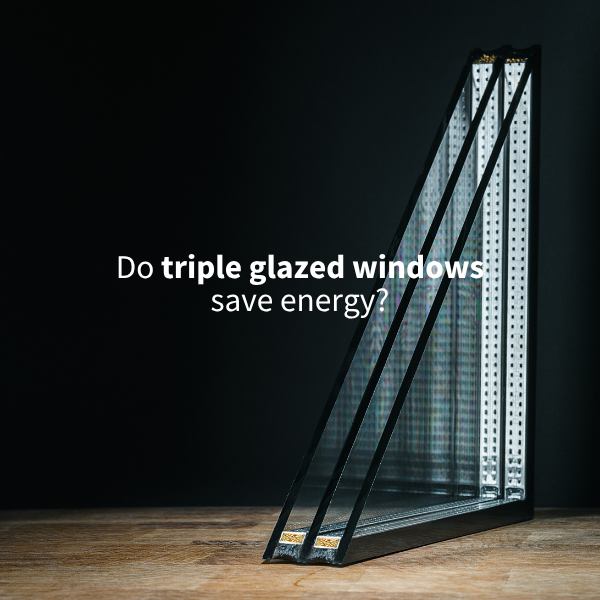
Triple glazing comprises three panes of glass in each unit, instead of the usual two panes in double glazing. The panes are separated by two insulating gas filled gaps that dramatically improve thermal insulation and help dampen noise.
According to manufacturers like ROPO, standard double-glazed units have a depth of 26 mm, whilst triple glazing is substantially deeper at 33 mm. The gaps are filled with argon gas to provide the main insulating effect. Two of the glass panes are Low-E (low-emissivity) and one is Low-Iron, further helping to reduce heat loss and reflect warmth into the room. The edges of each sealed unit feature a spacer bar to stop heat from escaping.
Do all new homes have triple glazing?
Not necessarily. The Future Homes Standard and glazing regulations 2025 UK do not automatically require triple glazing in all cases. Modern uPVC double glazing, when manufactured and fitted to the latest specifications, can still meet or exceed the new Part L building requirements for replacement windows in many situations.
For new windows in new build homes, the notional target remains at 1.2 W/m²K, but this has not become a new legal minimum for all installations. Triple glazing is not mandatory but is expected to become more popular as a result of the Future Homes Standard.
Energy savings: What does the evidence show?
Research confirms that triple glazing delivers measurable energy improvements. Triple glazing significantly outperforms double glazing in thermal insulation, with up to 44% less heat loss, resulting in lower heating demand and better comfort, especially in cold climates or energy efficient buildings.
Recent studies from Lawrence Berkeley National Laboratory and Pacific Northwest National Laboratory have confirmed their effectiveness. When the windows of a new home are upgraded from double pane to triple pane, energy efficiency performance can improve by 40% or more.
The improvement is measured through U-values, which indicate how well windows resist heat transfer. A triple glazed window's U-value typically ranges from 0.6 to 0.8W/m²K, outperforming the average U-value of double-glazed windows, which hovers around 1.1 to 1.3W/m²K.
Upgrading from double to triple glazing dramatically improves thermal performance, reducing U-values from 1.31 W/m²K to 0.74 W/m²K, resulting in much better insulation and energy savings.
How does triple glazing help with sustainability?
Triple glazing contributes to sustainability primarily by reducing operational energy consumption. By opting for triple glazing, homeowners actively contribute to the reduction of their carbon footprint, as the decreased reliance on heating and cooling systems powered by non-renewable energy sources results in lower greenhouse gas emissions.
Triple pane windows also reduced the perceived noise level by roughly half. This additional acoustic benefit provides value beyond energy savings alone, particularly for properties in noisy locations.
Triple glazing does demonstrably improve energy efficiency compared to double glazing, with substantial reductions in heat loss documented across multiple studies.
Whether these savings justify the higher upfront cost depends on individual circumstances, local climate and building timescale.
Disclaimer
newhomesforsale.co.uk is a property portal and not a financial advisor, mortgage broker or mortgage lender. Always seek independent financial advice before making significant decisions about your money, mortgages or purchasing a property.
All information included in our articles is accurate to the best of our knowledge at the time of publication. However, any references to dates, prices and availability are subject to change without notice.
Please note that stock images used on this website are licensed from Canva.com.
Publish date 30th April, 2026
Reading time: 4 minutes
Written by Vicki England