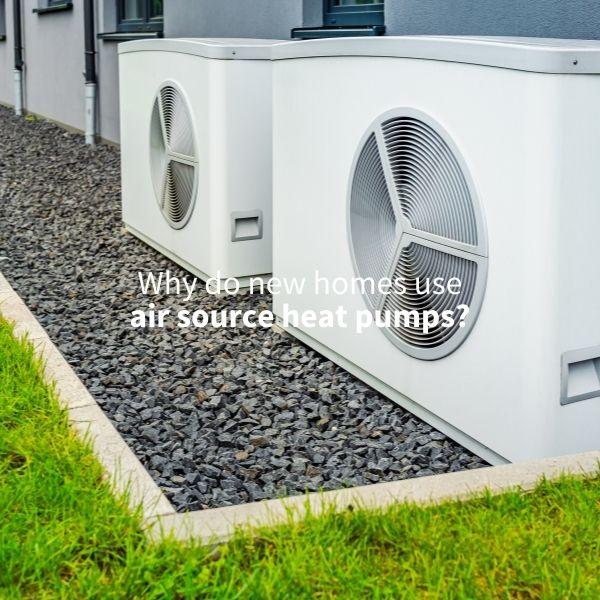
Why do new homes use air source heat pumps?
As the drive toward greener, more energy-efficient housing accelerates, air source heat pumps (ASHPs) are rapidly becoming a feature of new build homes across the UK. These systems, which extract heat from the outside air to provide warmth and hot water, offer a low-carbon alternative to conventional gas boilers.
But why are developers and homeowners increasingly turning to this technology? And what makes it particularly suitable for new build homes?
This article explores the reasons behind their adoption, the benefits they offer, the considerations for installation and what the future holds for air source heat pumps in modern housing.
What is an air source heat pump?
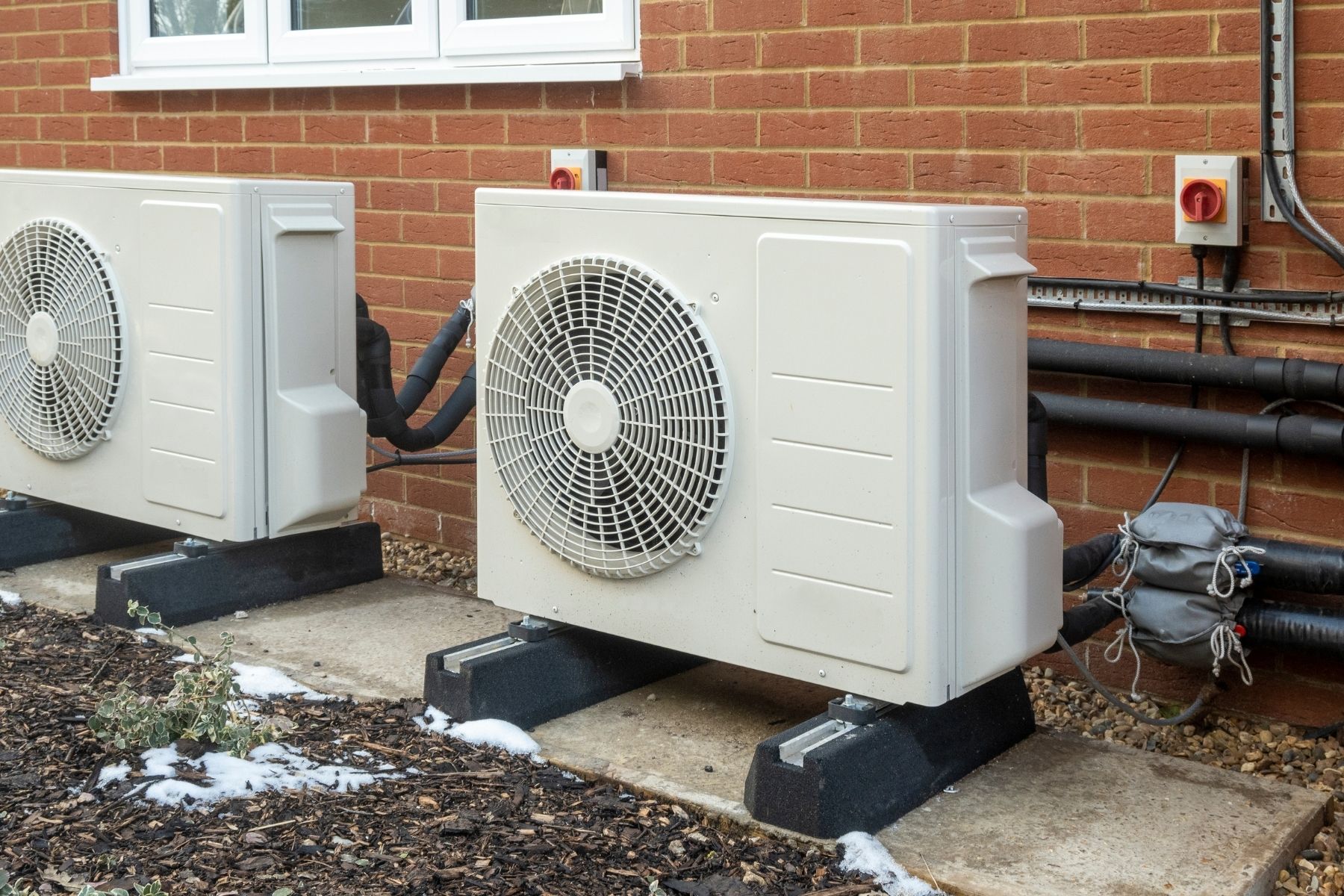
An air source heat pump works by moving heat rather than generating it. It draws in ambient heat from the outside air, even when temperatures are low and transfers it inside the home via water-based heating systems such as underfloor heating or radiators. The system relies on a refrigerant, a compressor and a heat exchanger to elevate the air’s heat to a usable temperature.
Unlike a gas boiler, which burns fuel to create heat, a heat pump harvests heat from the environment. This subtle difference has a major impact on energy efficiency: air source heat pumps typically produce 2.5 to 4 units of heat for every unit of electricity consumed, significantly reducing overall energy demand.
In practice, the outdoor unit absorbs heat from the air, which is then carried by a refrigerant to the compressor, raising the temperature before passing it through a heat exchanger that heats water for the home’s radiators or underfloor system. Because heat pumps operate most efficiently at lower water temperatures around 35-45°C, they are particularly compatible with underfloor heating or larger radiators that spread heat gently and evenly.
Why new homes are well suited for heat pumps
Modern construction standards make new builds a perfect fit for air source heat pumps. Today’s homes are highly insulated, airtight and feature energy-efficient glazing. All factors that reduce heat loss. These characteristics allow heat pumps to maintain comfortable indoor temperatures without excessive energy use.
Another advantage is that developers can design the heating system from the outset. In retrofit scenarios, older homes often have radiators and layouts that are mismatched to a heat pump’s optimal operating temperatures, reducing efficiency and comfort. In contrast, new builds can integrate underfloor heating, low-temperature radiators and zoned controls during construction, ensuring the heat pump performs at its best.
This synergy between modern building methods and ASHP technology is part of why the UK government is promoting low-carbon heating solutions in new builds. While not always mandatory yet, heat pumps are increasingly seen as a way to meet energy performance standards while future-proofing properties.
What are the environmental and efficiency benefits?
Air source heat pumps are not only energy-efficient but also environmentally friendly. By moving heat instead of generating it through combustion, they reduce greenhouse gas emissions compared to gas or oil boilers.
With rising awareness of climate change and stricter regulations, minimising the carbon footprint of new homes has become a priority. Heating accounts for a significant portion of household emissions, and switching to electric-powered heat pumps. Particularly when paired with renewable electricity from solar panels or low-carbon grids can make a major difference.
Efficiency is a key advantage. Modern ASHPs can achieve a coefficient of performance (COP) of 2.5-4, meaning that for every unit of electricity consumed, multiple units of heat are delivered to the home. This reduces energy consumption and over time, lowers running costs. When combined with high levels of insulation, airtight construction and smart home controls, air source heat pumps can provide comfortable warmth while minimising energy waste.
Additionally, ASHPs improve indoor air quality. Because they do not rely on combustion, there are no by products such as carbon monoxide or nitrogen dioxide, which can accumulate in poorly ventilated spaces. For families and individuals seeking healthier living environments, this is a tangible benefit.
Financial considerations: Cost and incentives
One of the main challenges of air source heat pumps is the upfront cost. Installation can be higher than a conventional boiler, due to both the system itself and the need for skilled installation. However, several factors offset this initial expense:
- Lower running costs: Heat pumps are more energy-efficient than traditional boilers, which can result in lower energy bills over time, particularly in well-insulated new builds.
- Reduced maintenance: With fewer moving parts and no combustion process, maintenance is simpler and cheaper than for gas or oil boilers.
- Government incentives: Schemes like the Boiler Upgrade Scheme offer grants of up to £7,500 for low-carbon heating installations, reducing upfront costs and encouraging adoption.
When considered over the lifespan of the system (15-20 years or more), air source heat pumps often represent a cost effective solution, especially in newly built homes where the system is optimally designed from the start.
What are the lifestyle benefits?
Air source heat pumps deliver heat differently from conventional boilers. Instead of short, intense bursts, they provide a steady, gentle heat that maintains consistent indoor temperatures. This reduces cold spots and creates a more comfortable living environment.
Modern systems can be paired with smart controls, allowing homeowners to set schedules, create heating zones and monitor energy consumption. This level of control not only improves comfort but also maximises efficiency.
In new build homes, these comfort benefits are particularly valuable. Buyers increasingly prioritize energy-efficient homes that offer both cost savings and modern convenience. A well-installed heat pump can therefore increase the appeal and market value of a property.
Are there any regulation?
In the UK, regulations increasingly encourage low-carbon heating in new builds. The Future Homes Standard sets ambitious targets for energy efficiency and carbon reduction, making heat pumps a practical choice for developers aiming to comply.
Recent planning reforms have also simplified adoption. Restrictions on outdoor unit size and placement have been relaxed, making it easier to integrate heat pumps into residential designs. Combined with government incentives, these measures are designed to increase the uptake of ASHPs and support the transition to low-carbon homes.

Integration with renewable technologies
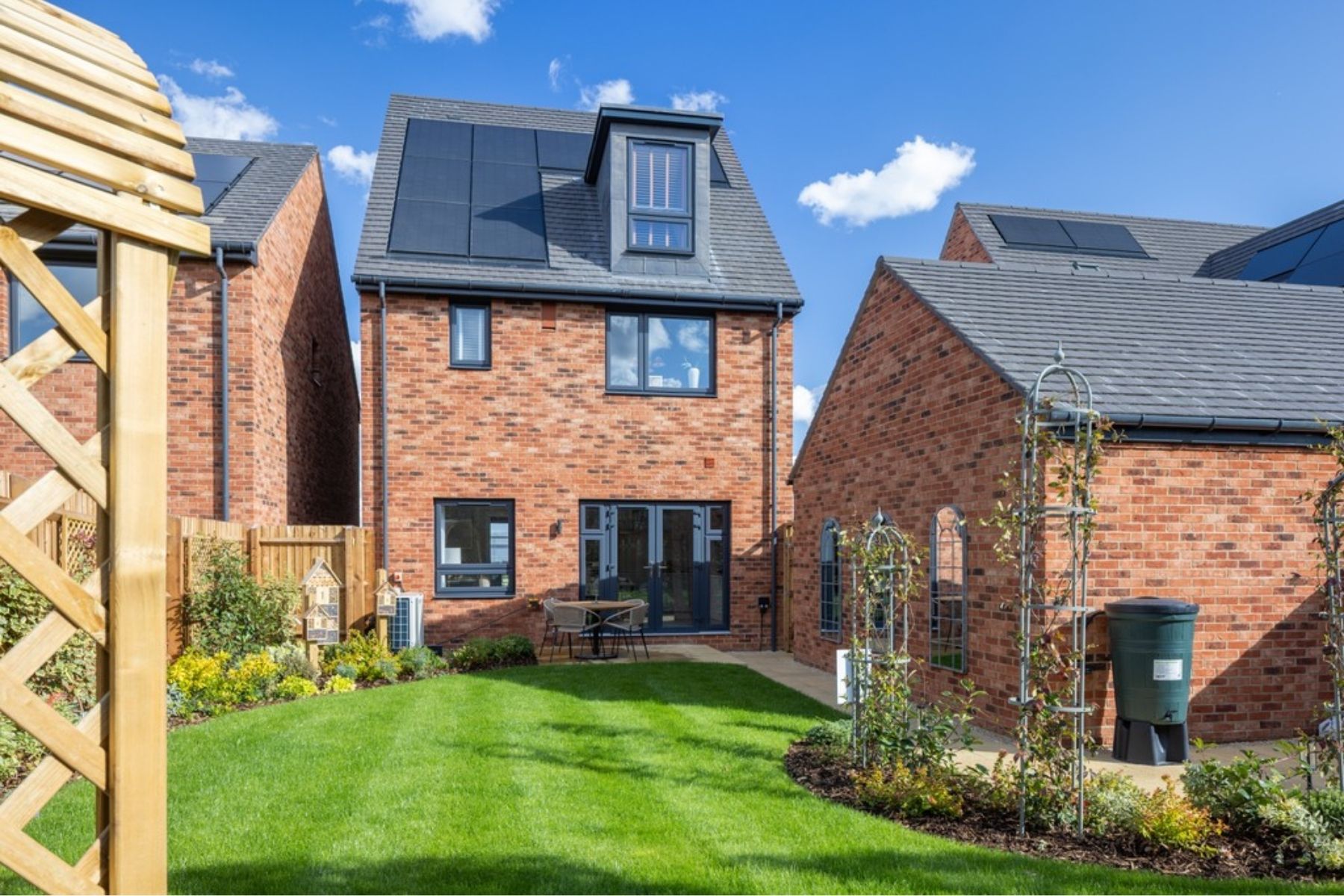
Air source heat pumps are most effective when combined with other low-carbon technologies. Solar PV panels, for example, can supply electricity to power the system, reducing reliance on grid energy and lowering bills. Battery storage allows excess energy to be used during periods of high demand and smart controls can automate energy management for maximum efficiency.
By integrating a heat pump into a holistic energy system, new homes can achieve significant carbon savings, minimise running costs. Offering a comfortable, future ready living environment.
In conclusion
So why do new homes use air source heat pumps? The answer lies in their combination of energy efficiency, environmental benefits, comfort and future-proofing. For developers, they provide an effective way to meet energy standards and create desirable, low carbon homes. For homeowners, they offer a cost effective, comfortable and environmentally friendly heating solution.
By integrating heat pumps at the design stage, new builds can maximise efficiency, reduce carbon emissions and provide modern, connected living environments. As the UK continues its transition toward sustainable housing, air source heat pumps are poised to become a defining feature of future-ready homes.
This article was fact-checked 09th March 2026. All content is correct to the best of our knowledge at the time of publishing or review.
Article overview
Air source heat pumps (ASHPs) are becoming an increasingly common feature in new build homes, driven by their energy efficiency, environmental benefits, and compatibility with modern construction standards. Unlike traditional gas boilers, heat pumps work by extracting heat from the outside air and transferring it indoors, delivering consistent warmth and hot water with significantly lower carbon emissions. Because they move heat rather than generate it, they can produce multiple units of heat for every unit of electricity consumed, making them highly efficient.
New build homes are particularly well suited to air source heat pumps due to improved insulation, airtight construction, and the ability to integrate low-temperature heating systems such as underfloor heating. This allows the system to operate at peak efficiency while maintaining consistent indoor comfort. Developers are also increasingly installing ASHPs to meet evolving building regulations and future-proof properties against stricter carbon reduction targets.
While upfront installation costs can be higher than conventional boilers, lower running costs, reduced maintenance requirements, and available government incentives help offset the investment over time. When paired with renewable technologies like solar panels and smart energy controls, air source heat pumps provide a sustainable, long-term heating solution that supports the transition toward low-carbon housing.
Article overview composed with the help of AI
Disclaimer
newhomesforsale.co.uk is an information platform and not a financial advisor, mortgage broker or mortgage lender. Always get financial advice before making significant decisions about your money, mortgages and buying a house.
Publish date 9th March, 2026
Reading time: 4 minutes
Written by Heather Bowles