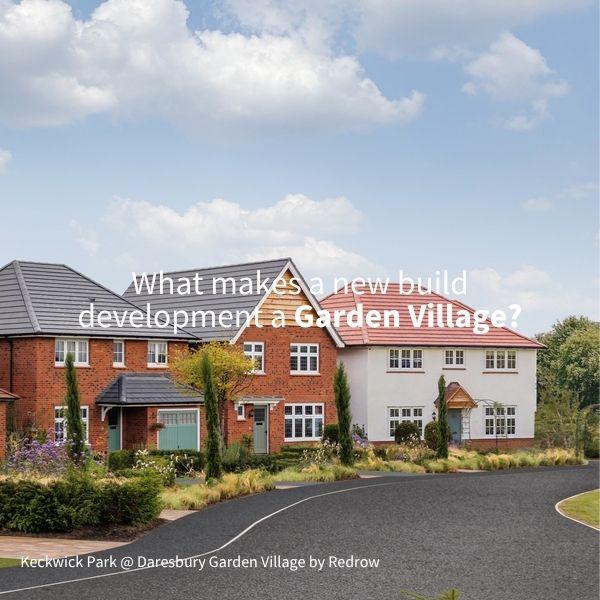
What makes a new build development a Garden Village?
A garden village is a large, master-planned residential development designed to combine new homes with green spaces, local amenities and sustainable infrastructure. Inspired by the Garden City Movement, it aims to create a balanced community that blends countryside living with modern convenience and connectivity.
People in the UK property market increasingly use the term garden village, particularly when they discuss new build developments. But what actually makes a development qualify as a garden village, rather than just another housing estate?
At its core, a garden village is more than a collection of new homes. A carefully planned, large-scale community. Designed to integrate housing, green space, infrastructure, and local amenities into a cohesive and sustainable environment.
The planning philosophy behind Garden Villages
Garden villages aim to combine the benefits of town and countryside living. The goal is to create healthier communities. Where people could live, work, and relax without the overcrowding and pollution associated with industrial cities.
Modern developments adopt this philosophy but adapt it for contemporary living. Typically built on the edge of towns or cities and designed to function as semi-independent communities. The emphasis is on long-term planning, energy efficiency, and quality of life.
The foundations of a Garden Village
One of the most important factors that defines a garden village is master planning. Traditional housing developments may grow in stages without a unified vision. Planners design a garden village as a whole from the outset.
From road layouts and housing density to green spaces and public facilities. The aim is to create a logical, well-connected environment that feels cohesive rather than piecemeal.
Scale
A development generally needs to be of a certain size to be considered a garden village. While there is no strict rule, these developments often include hundreds or even thousands of homes.
This scale allows for the inclusion of essential amenities such as:
- Primary schools
- Local shops and services
- Community centres
- Healthcare facilities
- Recreational spaces
The aim is to create a level of self-sufficiency so residents do not need to travel far for everyday needs. This not only improves convenience but also reduces traffic and environmental impact.
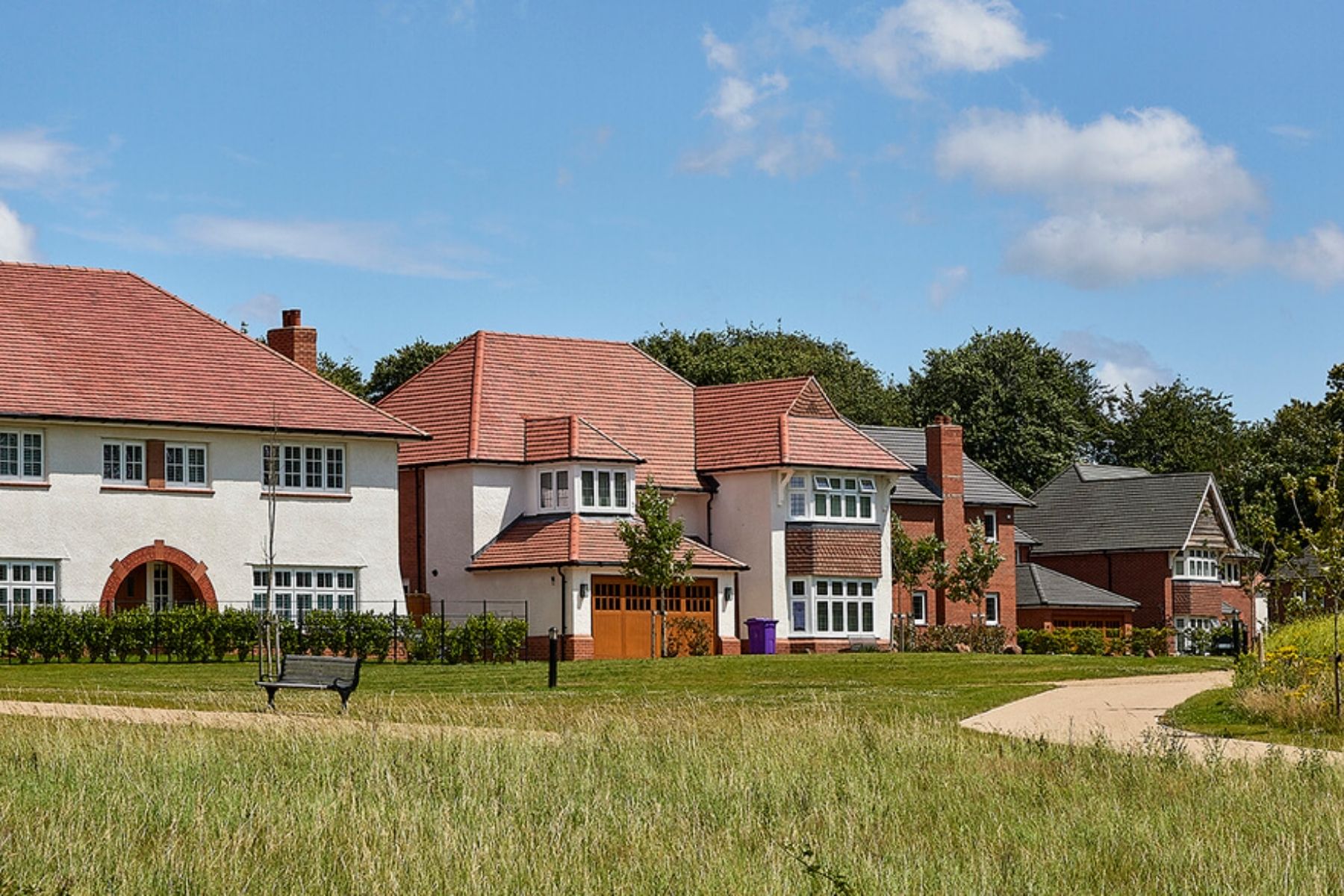
Integration of green spaces
Green space is one of the defining features of any garden village. The design includes it as a central part, not as an afterthought.
Developments typically include a mix of:
- Public parks and open spaces
- Tree-lined streets
- Woodland areas or nature reserves
- Walking and cycling routes
- Play areas and sports facilities
Designers make these facilities accessible from all homes. Encouraging outdoor activity and supporting physical and mental wellbeing. Developers often use green corridors to connect different parts of the development and support local wildlife.
Aesthetic appeal
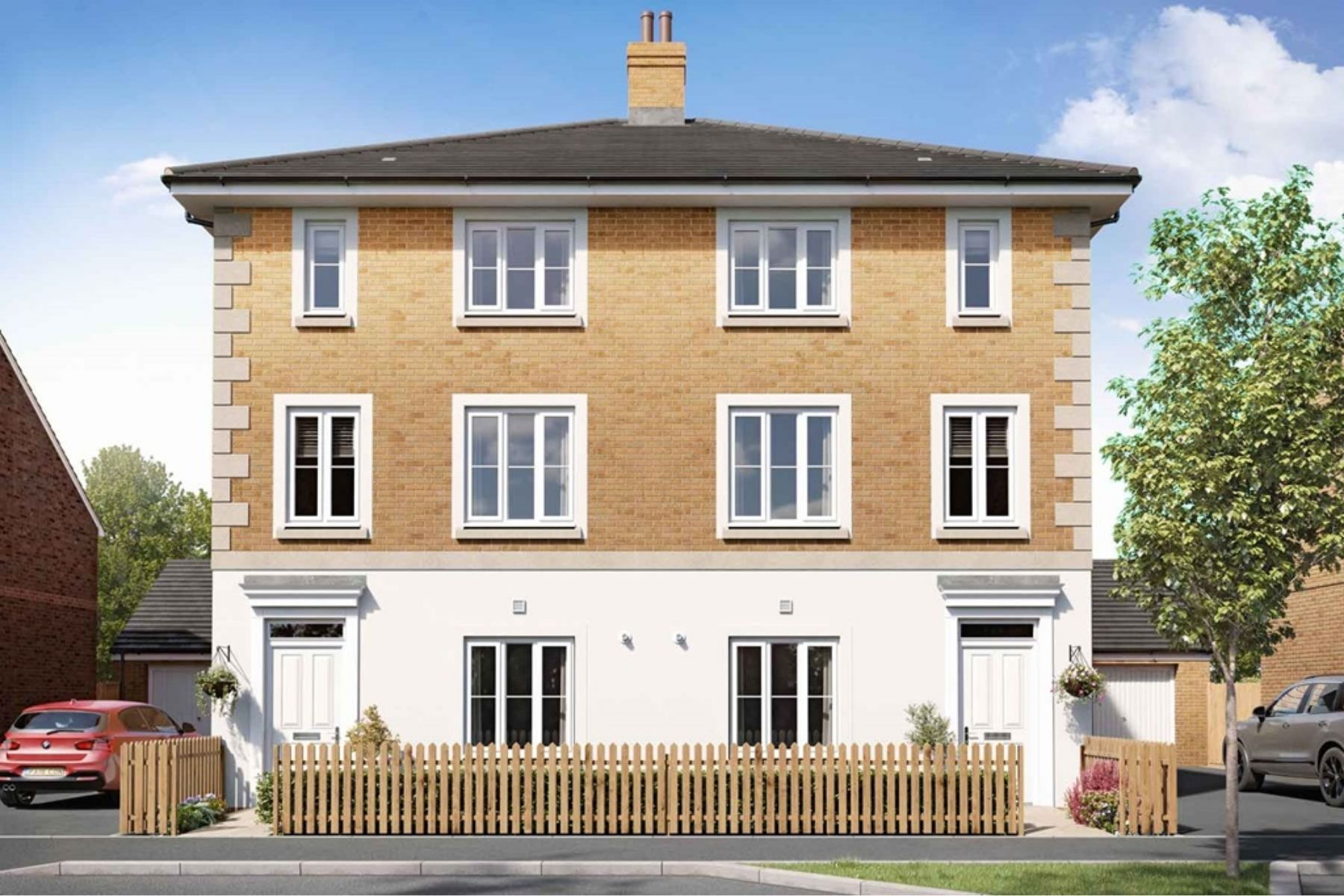
Another characteristic of garden villages is a consistent and carefully considered visual identity. Developers often follow design codes that dictate architectural styles, materials, and landscaping.
Every home looks the same, but there is usually a clear effort to create a harmonious overall appearance. Streets are often designed to feel more like traditional villages, with varied layouts, attractive frontages and attention to detail.
This focus on design helps create a sense of place and can make the development feel more established and desirable.
Energy efficiency
High-performance building materials
Builders construct homes with advanced insulation, energy-efficient windows, and airtight construction methods. These features help to reduce heat loss and improve comfort throughout the year. Learn more about advanced insulation here.
Low carbon heating systems
Many development are moving towards low-carbon heating solutions. Using air and ground source heat pumps. These alternatives reduce reliance on fossil fuels and help lower carbon emissions.
Water saving
Homes feature water saving fixtures and fittings, specifically designed to avoid water wastage. These measures contribute to a more environmentally responsible community.
Electric vehicle readiness
Many garden village homes include EV charging points or the infrastructure to install them. This supports cleaner transport and future-proofs the development.
Community focus
A garden village is designed with people in mind, not just properties. Community-centred design plays a major role in shaping how these developments function. Shared spaces such as parks, squares, and community hubs encourage social interaction.
Pedestrian-friendly layouts, reduced traffic speeds, and dedicated cycling routes also contribute to a safer and more inclusive environment, particularly for families.
Transport and connectivity
While garden villages aim to be somewhat self-contained, connectivity remains an important consideration. Developments are often planned with transport links in mind, including:
- Access to major roads
- Public transport routes such as buses or trains
- Walking and cycling connections to nearby towns
- Transport infrastructure may take time to fully develop, particularly in the early stages of a project.
Benefits of living in a Garden Village
For many buyers, garden village developments offer a range of advantages.
These include access to modern, energy-efficient homes, attractive surroundings, and a strong sense of community. Amenities and green spaces can improve quality of life and make day-to-day living more convenient.
Families can appreciate the safer, more open environment. While professionals may value the balance between peaceful surroundings and access to nearby towns or cities.
Potential drawbacks to consider
Despite their appeal, garden villages are not without challenges.
Large-scale developments can take years to complete, meaning early residents may experience ongoing construction. Amenities may be delivered in phases.
There can also be additional costs. Like, estate management fees for maintaining communal areas. In some cases, property prices may be higher than older homes in the same region.
Conclusion
A new development becomes a garden village when it offers more than housing. It creates a planned, sustainable, community-focused place.
Key elements include master planning, green space integration, local amenities and energy-efficient homes all contribute to this classification. When done well, garden villages offer a modern approach to living that supports wellbeing, sustainability and long-term value.
However, as the term becomes more common, buyers should understand what truly defines a garden village. And assess whether a particular development lives up to that standard.
FAQs
Are garden villages the same as new build estates?
No, garden villages are larger, master-planned communities with integrated green space and amenities, while typical estates focus mainly on housing.
Are garden village homes more energy efficient?
All new build homes are designed to be energy efficient, with modern insulation, improved building standards, and heating systems that help reduce energy use and lower bills.
Do garden villages have good amenities?
They are designed to include amenities like schools, shops, parks and healthcare. Although some may be added in phases as the development grows.
Disclaimer
newhomesforsale.co.uk is a property portal and not a financial advisor, mortgage broker or mortgage lender. Always seek independent financial advice before making significant decisions about your money, mortgages or purchasing a property.
All information included in our articles is accurate to the best of our knowledge at the time of publication. However, any references to dates, prices and availability are subject to change without notice.
Please note that stock images used on this website are licensed from Canva.com.
Publish date 11th June, 2026
Reading time: 4 minutes
Written by Heather Bowles