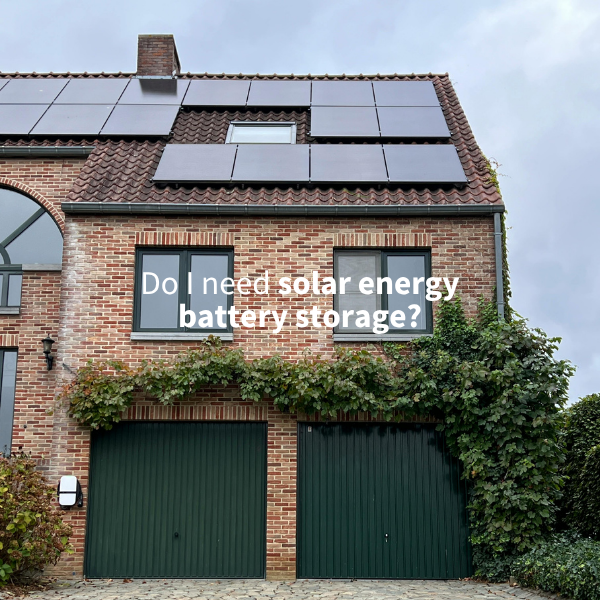
Do I need solar energy battery storage?
Solar storage is ideal if your peak energy use occurs at night or if you want grid independence. However, if you work from home and run appliances during daylight hours, you’ll benefit directly from your panels without needing storage. Because batteries involve high upfront costs, the payback period can be lengthy. Carefully weigh your evening consumption against the initial investment to determine if the long term savings justify the expense.
If you're considering solar panels or already have them installed, you've probably wondered whether adding battery storage is worth the investment. The answer isn't straightforward as it depends on your energy usage patterns, tariff structure and what you want from your PV system.
What is solar battery storage?
Solar battery storage systems capture excess electricity your panels generate during sunny days and store it for later use.
Without batteries, surplus energy is exported to the grid under the Smart Export Guarantee (SEG), whilst you draw from the grid when your panels aren't producing enough power, such as evenings and winter mornings.
When does battery storage make sense?
- Poor SEG export rates - most SEG tariffs pay between 3p and 15p per kWh for exported electricity, whilst you're buying power at 25p - 35p per kWh or more. This disparity means you're effectively selling low and buying high. Battery storage lets you use your own electricity instead, saving the difference.
- High evening energy consumption - British households typically use most electricity between 4pm and 10pm - precisely when solar panels produce little or nothing for much of the year. If you're out during the day and return to cook dinner, watch television and run appliances in the evening, batteries can shift your daytime solar generation to when you actually need it.
- Time-of-use tariffs - Economy 7, Octopus Agile and similar tariffs charge different rates throughout the day. With a battery, you can store cheap overnight electricity or daytime solar, then use it during expensive peak periods, potentially saving £300 to 500 annually.
- Energy independence goals - some homeowners want to maximise self consumption and reduce reliance on energy companies, particularly given recent price volatility. Battery storage can increase the proportion of your electricity that comes from your own roof from around 30% to 70% or more.
Why might I not need solar energy batteries?
- Daytime energy usage - if you work from home, run heat pumps during the day, or use most electricity whilst the sun shines, you're already consuming much of your solar generation directly. Batteries offer less additional benefit.
- Budget constraints - battery systems add £3,000 to £8,000 to your solar installation. Given current SEG rates and electricity prices, payback periods often extend to 10 15 years. If upfront costs are tight, panels alone still deliver significant savings.
- Waiting for better technology - battery prices continue falling whilst capacity and lifespan improve. Some homeowners prefer to install solar now and add batteries later when costs drop further or their circumstances change.
In the UK's current energy landscape, battery storage increasingly makes financial sense, particularly with the gap between import and export rates. However, it's not essential for everyone. The reliable British grid means backup power concerns matter less than in some countries.
Calculate your evening usage, compare your import tariff against available SEG rates, and get quotes with and without batteries. For many British households, especially those with high evening consumption, battery storage transforms solar from a modest money-saver into substantial energy bill protection.
Disclaimer
newhomesforsale.co.uk is a property portal and not a financial advisor, mortgage broker or mortgage lender. Always seek independent financial advice before making significant decisions about your money, mortgages or purchasing a property.
All information included in our articles is accurate to the best of our knowledge at the time of publication. However, any references to dates, prices and availability are subject to change without notice.
Please note that stock images used on this website are licensed from Canva.com.
Publish date 17th April, 2026
Reading time: 3 minutes
Written by Vicki England