Efficient plumbing in new builds: How water saving fixtures reduce waste
Water efficiency is now a key part of modern housing design. This is especially true in new build homes. Sustainability, lower running costs and compliance all influence what gets installed. Water saving taps and toilets are central to this shift.
These fixtures are no longer optional upgrades. They are now standard in many new homes to reduce water waste.
As demand for housing increases, water use is under more pressure. New builds offer a chance to design smarter systems from the start. Efficient taps and toilets play a major role in this process.
The shift towards water efficiency
In the past, water use was not a major concern in home design. Older properties often include high flow taps and single flush toilets. These systems use far more water than necessary.
New build homes take a different approach. Efficiency is considered at every stage of design and construction. Developers must now meet strict water usage targets.
This shift is driven by several factors. Environmental awareness has grown. Utility costs have increased. Building standards have become stricter.
Water saving fixtures are one of the easiest ways to meet these demands. They are cost effective and simple to install, delivering immediate results in reducing consumption.
How water saving taps work
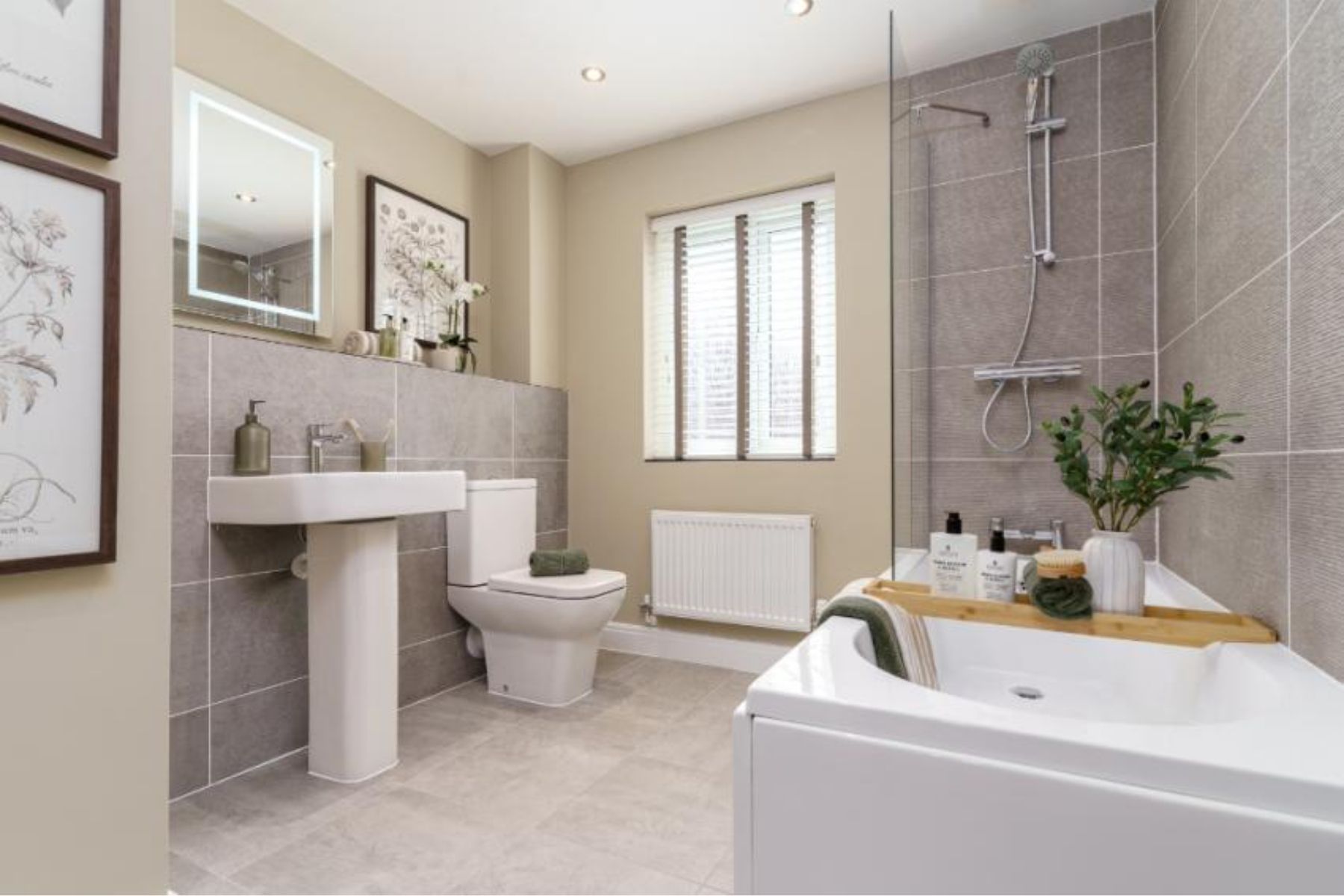
Modern taps are designed to reduce water use without affecting user experience. They look and feel similar to traditional taps but they use much less water.
One key feature is the aerator. This device mixes air into the water stream creating a steady and pressurised flow. The result feels strong, even though less water is used.
Flow restrictors are also important. These limit how much water can pass through the tap. Even at full power, the flow stays within an efficient range.
Some new builds include push taps or sensor taps. They turn off automatically after a short time preventing unnecessary water use.
The evolution of water saving toilets
Toilets are one of the biggest water users in any home. Older designs use large amounts of water per flush, much of which is not needed.
Modern toilets are far more efficient. The most common type in new homes is the dual-flush toilet. It offers two flushing options. One uses less water for liquid waste whilst the other uses more for solid waste.
Integration into new build homes
Installing efficient fixtures during construction is more effective. It ensures consistency across the entire property and avoids the need for future upgrades.
Plumbing systems are designed to support these fixtures, helping to maintain good pressure and flow. The result is a seamless experience for homeowners.
Many buyers may not notice these features at first as the fixtures look like standard designs. Their efficiency works quietly in the background.
What are the benefits for homeowners?
- There are several benefits for people living in new build homes - the most obvious is lower water bills.
- Daily tasks use less water without any extra effort. This includes washing hands, brushing teeth and flushing toilets.
- Modern fixtures are also reliable. There is no need to change habits or compromise comfort.
- Water efficient homes may also be more attractive to buyers. Sustainability is becoming more important in the property market. Lower running costs add further appeal.
The environmental impact
Reducing water use has clear environmental benefits, helping to conserve a limited natural resource. This is especially important in areas with high demand.
Using less water also saves energy. Water must be treated, pumped and sometimes heated. Each of these steps requires energy.
Lower consumption reduces this demand and helps cut carbon emissions. Even small changes at home can have a wider impact.
In large housing developments, the effect is greater. Many homes using less water leads to significant savings overall. This makes new builds an important part of environmental progress.
Addressing common concerns
Some people worry about water saving fixtures, expecting lower pressure or poor performance. These concerns are understandable but often outdated.
Modern designs have improved significantly. Aerated taps still provide strong flow. and efficient toilets are designed to flush effectively.
Another concern is durability. High-quality fixtures are built for long-term use and they can handle regular daily demands without issue.
Proper installation is important and regular maintenance also helps. With the right setup, these systems perform as well as traditional ones.
Government plans and regulations on water efficiency in new build homes
The UK government has increasingly focused on water efficiency as part of its broader sustainability and housing policies. New build homes are now expected to meet strict water usage targets, with regulations ensuring that each household uses water more efficiently.
These measures are mainly guided by Building Regulations, particularly Part G - Sanitation, Hot Water Safety and Water Efficiency, which sets out the standards for limiting daily water use per person.
One key regulation requires developers to calculate water consumption during the design phase and ensure homes do not exceed specified limits. This has effectively made water saving taps, low flow showers and dual flush toilets standard in most new builds. The goal is to reduce average water use to around 110 litres per person per day, a significant drop compared with older homes that could use more than 150 litres.
Beyond current rules, the government has announced plans to tighten standards even further. Future regulations may mandate more advanced water saving technologies and encourage smart monitoring systems to detect leaks or excessive usage. These measures aim not only to conserve water but also to reduce energy use and carbon emissions linked to water treatment and heating.
By embedding these regulations into new builds, the government ensures that homes are future ready, sustainable and cost efficient for homeowners. Helping address long term environmental and resource challenges.
In conclusion
Water saving taps and toilets are now a standard feature in new build homes, reducing water use without affecting performance. They also support lower bills and environmental goals.
Their inclusion at the construction stage ensures long term efficiency. Homeowners benefit from reliable and easy to use systems and developers benefit from meeting modern standards.
As technology advances, these fixtures will continue to improve. They will play a key role in shaping sustainable housing. What was once an upgrade is now the norm.
Water efficiency starts with everyday actions. Turning on a tap or flushing a toilet may seem simple. However, with the right design, these actions can make a meaningful difference.
Article overview
Water saving taps and toilets have become essential features in modern new build homes, reflecting a growing focus on sustainability and efficiency. These fixtures are designed to reduce water consumption without compromising performance, helping homeowners save on bills while conserving a vital resource.
Modern taps use technologies such as aerators and flow restrictors to maintain strong, comfortable water flow while using significantly less water. Dual flush and low-flush toilets allow users to select the appropriate amount of water for each flush, and pressure assisted systems enhance efficiency further.
New build homes integrate these fixtures during construction, ensuring consistent water efficiency across the property. This approach also helps developers meet UK Building Regulations Part G, which set standards for daily water use per person. In addition to regulatory compliance, water-saving fixtures provide environmental benefits by reducing the energy needed for water treatment and heating, lowering carbon emissions.
Homeowners enjoy reliable performance, cost savings, and minimal maintenance requirements. As technology advances, smart systems, leak detection, and more efficient designs are likely to become standard, further improving water management. Overall, the inclusion of water-saving taps and toilets in new build homes represents a practical, sustainable, and forward-thinking solution for modern living.
Article overview composed with the help of AI
Disclaimer
newhomesforsale.co.uk is an information platform and not a financial advisor, mortgage broker or mortgage lender. Always get financial advice before making significant decisions about your money, mortgages and buying a house.
Publish date 1st April, 2026
Reading time: 5 minutes
Written by Heather Bowles