EPC Ratings Explained
When you're considering a new home, one of the most important details you'll encounter is the Energy Performance Certificate (EPC) rating. The EPC shows how energy efficient a property is and provides a clear picture of what it will cost to heat and power your home.
In today's property market, energy efficiency is essential for comfort, sustainability and long term savings.
Understanding EPC ratings
An EPC is legally required whenever a property is built, sold or rented in the UK. It rates how energy efficient the home is on a scale from A to G:
- A - Most efficient
- B and C - Above average
- D to G - Low efficiency
The certificate includes estimates of energy usage and carbon emissions, giving you insight into the property's running costs and environmental impact. The higher the rating, the lower your bills and the more attractive the home is to future buyers or tenants.
Why EPC ratings matter for homebuyers
Lower energy bills
A strong EPC rating means lower energy costs. Homes with higher ratings retain heat more effectively and use less energy for heating, hot water and lighting. This leads to significant savings on household bills compared to properties with lower ratings.
Better resale value and market appeal
Energy efficiency is now a priority for buyers and renters. Properties with good EPC ratings are more attractive on the market, sell faster and often command higher prices than less efficient homes. As standards evolve, buyers focus increasingly on long term costs and sustainability, making a high EPC rating a valuable selling point.
Environmental impact and comfort
The UK has ambitious targets to reduce carbon emissions and residential energy use forms a significant part of the national footprint. A higher EPC rating means lower carbon emissions, helping homeowners reduce their environmental impact. Better insulation, efficient heating systems and modern construction also maintain a warmer, more comfortable indoor environment throughout the year.
Support for mortgage decisions
Many lenders now offer green mortgages with favourable terms for energy efficient properties. New build homes, which typically have higher EPC ratings, often qualify for these schemes, potentially offering lower interest rates or better loan to value options.
An EPC rating measures a building’s energy efficiency. It shows how much energy is used for heating, lighting and hot water.Ratings go from A (most efficient) to G (least efficient). It helps buyers and renters understand costs and environmental impact. It also guides energy saving improvements.
Why New Homes Are More Energy Efficient?
One of the clearest benefits of buying new is that new homes are more energy efficient than older properties. There are several reasons for this:
Built to modern standards
New homes are constructed under the latest building regulations, which emphasise energy efficiency. This means high quality insulation in walls, roofs and floors, modern double or triple glazing, well sealed doors and efficient ventilation systems. These features reduce heat loss and improve overall performance.
Advanced heating and energy technologies
Many new developments include efficient boilers, heat pumps, solar panels and energy saving lighting as standard. These technologies reduce the energy needed to heat and power your home. Over time, this makes daily living more affordable and contributes to a smaller carbon footprint.
Proven performance data
Official data confirms that newer properties consistently achieve higher median EPC scores than older homes. New homes built within the last decade often score well above the average for existing housing stock, reflecting improvements in materials, design and construction practices.
Developments with high EPC ratings
Foxlow Fields, Buxton by Keepmoat
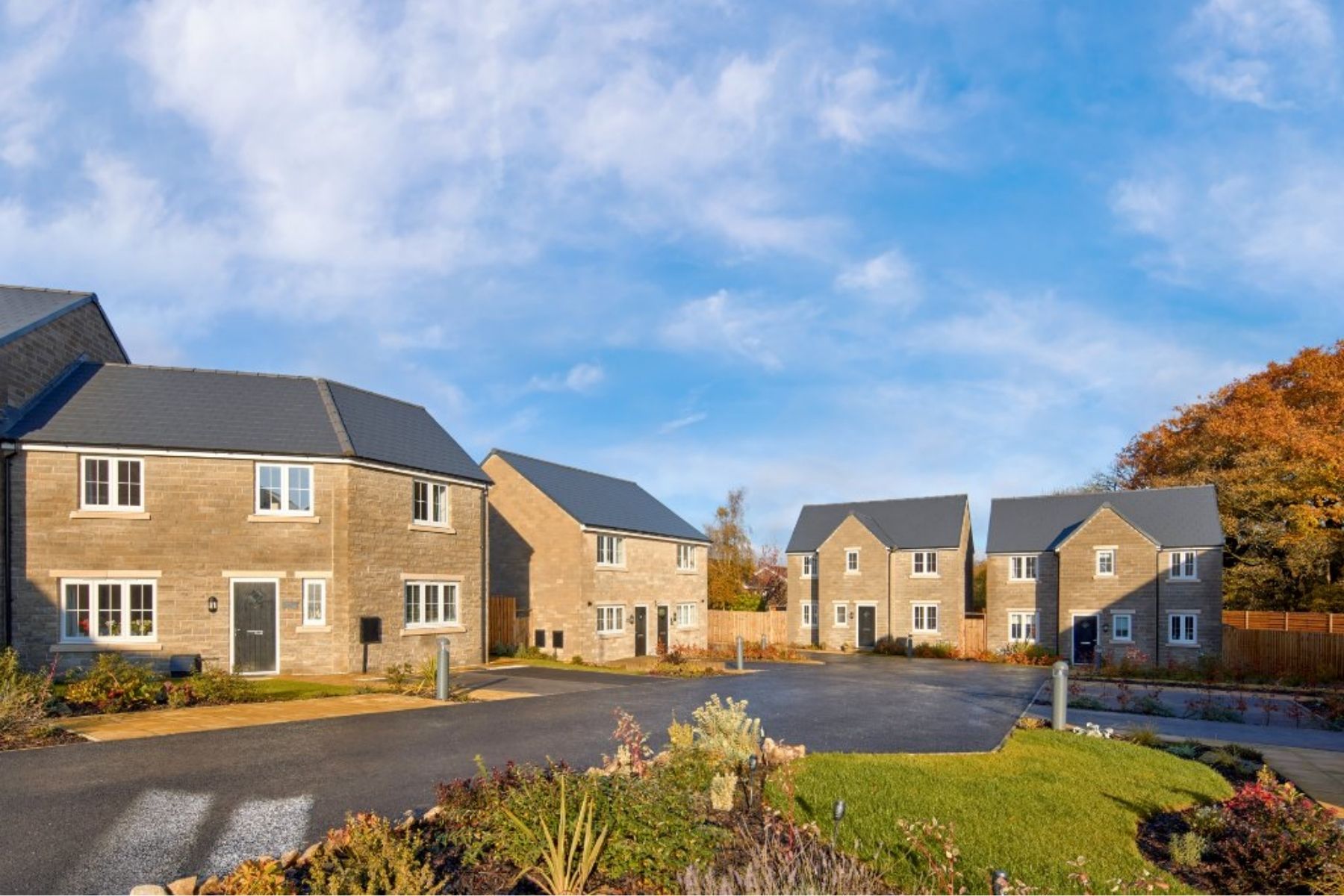
Foxlow Fields in Buxton is a new Keepmoat Homes development offering 2 to 4 bed houses in a scenic Peak District location. All homes are designed with modern open layouts and achieve an EPC rating of B or better, thanks to advanced insulation, high performance glazing and efficient boilers, helping reduce running costs.
Enquire about Foxlow Fields here
Woodlands, Ottershaw by Nicholas King Homes
Woodlands in Ottershaw is an exclusive collection of 19 new 4‑bed homes by Nicholas King Homes, blending countryside living with modern convenience. All homes carry an EPC rating of A, featuring solar panels, excellent insulation and EV charging points for low energy costs and sustainability.
Enquire about Woodlands hereBishops Park, Bishop Auckland by Home Reach
Bishops Park by Home Reach offers 3 and 4 bed shared‑ownership homes, ideal for getting onto the property ladder. All homes have an EPC rating of B, ensuring energy efficiency and reduced running costs. Whilst providing modern layouts and access to local amenities.

Enquire about Bishops Park here
Conclusion
An EPC rating is a practical and increasingly important tool for anyone buying a home in the UK. It provides a clear picture of how energy efficient a property is, what that means for running costs and how the home will perform environmentally and financially over time.
For those seeking modern homes, new homes are more energy efficient by design. Listings on newhomesforsale.co.uk showcase developments with EPC B or A ratings and energy efficient features built in, making them attractive for comfort, sustainability and long term savings.
Whether you're a first time buyer, moving up the ladder or planning a family home, energy performance is an essential consideration and new builds consistently deliver on this promise.
Article overview
An Energy Performance Certificate (EPC) rating indicates a home’s energy efficiency, showing how much energy it uses for heating, lighting and hot water.
Ratings range from A (most efficient) to G (least efficient). Higher EPC ratings reduce running costs, improve comfort, and increase market appeal. Energy-efficient homes help lower carbon emissions, supporting environmental goals.
New homes are typically more efficient than older properties, built with modern insulation, high performance glazing, efficient heating systems and renewable technologies.EPCs guide buyers and renters on energy costs and sustainability while encouraging improvements that save money and enhance long-term comfort and performance.
Article overview composed with the help of AI
Disclaimer
newhomesforsale.co.uk is an information platform and not a financial advisor, mortgage broker or mortgage lender. Always get financial advice before making significant decisions about your money, mortgages and buying a house.

Publish date 13th January, 2026
Reading time: 3 minutes
Written by Heather Bowles