Sustainability Features of New Homes
Modern new build homes are designed with sustainability features that improve energy efficiency and reduce environmental impact. Common elements include high quality insulation, double or triple glazing and airtight construction to retain heat. Many properties also use renewable energy systems such as solar panels and heat pumps, alongside smart heating controls. Water saving fittings and eco friendly materials further reduce resource use, making homes cheaper to run and more environmentally sustainable long term.
Last updated: June 2026
In recent years, the UK housing market has undergone a significant transformation. As climate awareness grows and energy prices fluctuate, the demand for sustainable living has shifted from a niche green preference to a mainstream necessity.
For many homebuyers, a property is no longer just about the number of bedrooms or the size of the kitchen. It is about the invisible features that determine how much a home costs to run and what its long-term impact on the planet will be.
Buying a new build home offers a distinct advantage in this area. Unlike older properties that often require expensive retrofitting to reach modern standards. New homes are designed from the ground up with the latest eco-friendly technology and construction methods.
New builds have shifted the sustainability narrative from a niche preference to a mainstream necessity.By integrating 'fabric-first' insulation, renewable energy and fossil-fuel-free heating, these homes offer a future-proof investment. With 85% achieving top-tier EPC ratings, owners enjoy lower bills and a reduced carbon footprint.
Buying a modern home isn't just about style; it's about embracing a smarter, greener lifestyle that is ready for the challenges of tomorrow.
In this comprehensive guide, we explore the core sustainability features of new homes, why they matter for your wallet and the environment. How the Future Homes Standard will reshape the industry.
1. Why is a good EPC rating so important?
Every home sold in the UK must have an Energy Performance Certificate (EPC). This document rates a property’s energy efficiency on a scale from A (most efficient) to G (least efficient).
One of the most compelling arguments for buying a new build is that the vast majority, around 85% achieve an A or B rating. In contrast, only a small fraction of older, second hand homes reach this level. This disparity is down to the stringent building regulations that modern developers must follow, ensuring that green is built in, not bolted on.
2. Do all new homes come with high performance insulation?
The most sustainable energy is the energy you never have to use. This is the philosophy behind the fabric first approach.
Superior Wall & Loft Insulation: Modern new builds use advanced insulating materials that are far more effective than the glass wool found in older attics. This creates a thermal envelope around the home, keeping heat trapped inside during the winter and reflecting heat away during the summer.
Airtight Construction: Drafts are the enemy of efficiency. New homes undergo rigorous air pressure testing to ensure that heat isn’t leaking out through gaps in the windows, doors or joints.
High-Performance Glazing: Double glazing is now the bare minimum. Many developers are moving toward triple glazing as standard, which provides an extra layer of argon gas to significantly reduce heat loss and acoustic pollution from outside.
3. How are new homes heated?
The way we heat our homes is changing. With the UK government’s commitment to reach Net Zero by 2050, the era of the gas boiler is coming to an end.
Air Source Heat Pumps (ASHPs): Often described as a fridge in reverse. These units take heat from the outside air (even when it's cold) and compress it to heat your home and water. They are incredibly efficient, often producing three to four units of heat for every one unit of electricity used.
Underfloor Heating: Because heat pumps work best when providing a steady, lower temperature over a larger surface area, they are frequently paired with underfloor heating. This not only removes the need for bulky radiators but also ensures a more even distribution of warmth throughout the room.
Mechanical Ventilation with Heat Recovery (MVHR): To balance airtightness with fresh air, many sustainable homes use MVHR systems. These systems extract stale air from wet rooms (like kitchens and bathrooms) and use its heat to warm up fresh, filtered air being drawn in from outside.
4. What are the benefits of solar panels?
Solar energy has become a staple of sustainable developments. Many new homes now come with integrated photovoltaic (PV) panels as standard.
Reduced Bills: By generating your own electricity during the day, you reduce your reliance on the National Grid.
Battery Storage: Some premium developments are now including home battery systems. These allow you to store the energy your panels generate during the day so you can use it at night, maximising your self sufficiency.
Smart Inverters: Modern solar systems often come with apps that allow you to track exactly how much energy you are producing and consuming in real-time.
5. Do do new homes reduce water waste?
Sustainability isn't just about carbon; it’s about resource management. As water scarcity becomes a greater concern, new homes are being fitted with clever water saving features.
Low-Flow Fixtures: Aerated taps and shower heads provide the same pressure while using significantly less water.
Dual-Flush Toilets: A simple but effective way to save thousands of litres of water per year.
Rainwater Harvesting: Some developments include systems that collect rainwater from roofs to be used for garden irrigation or even flushing toilets. Further reducing the demand on treated mains water.
6. What is the Smart Home Revolution?
Technology is a powerful ally in the quest for sustainability. Smart home features allow residents to monitor and control their environment with precision.
Smart Thermostats: Systems like Hive or Nest learn your habits and ensure you aren’t heating an empty house. They allow you to control your heating room-by-room via your smartphone.
EV Charging Points: With the transition to electric vehicles accelerating, having a dedicated 7kW charging point at your front door is a massive convenience. Most new developments now include the cabling or the charger itself as part of the initial build.
Energy Monitoring: In home displays and smart meters provide instant feedback on your consumption, helping households identify energy vampires and change their habits.
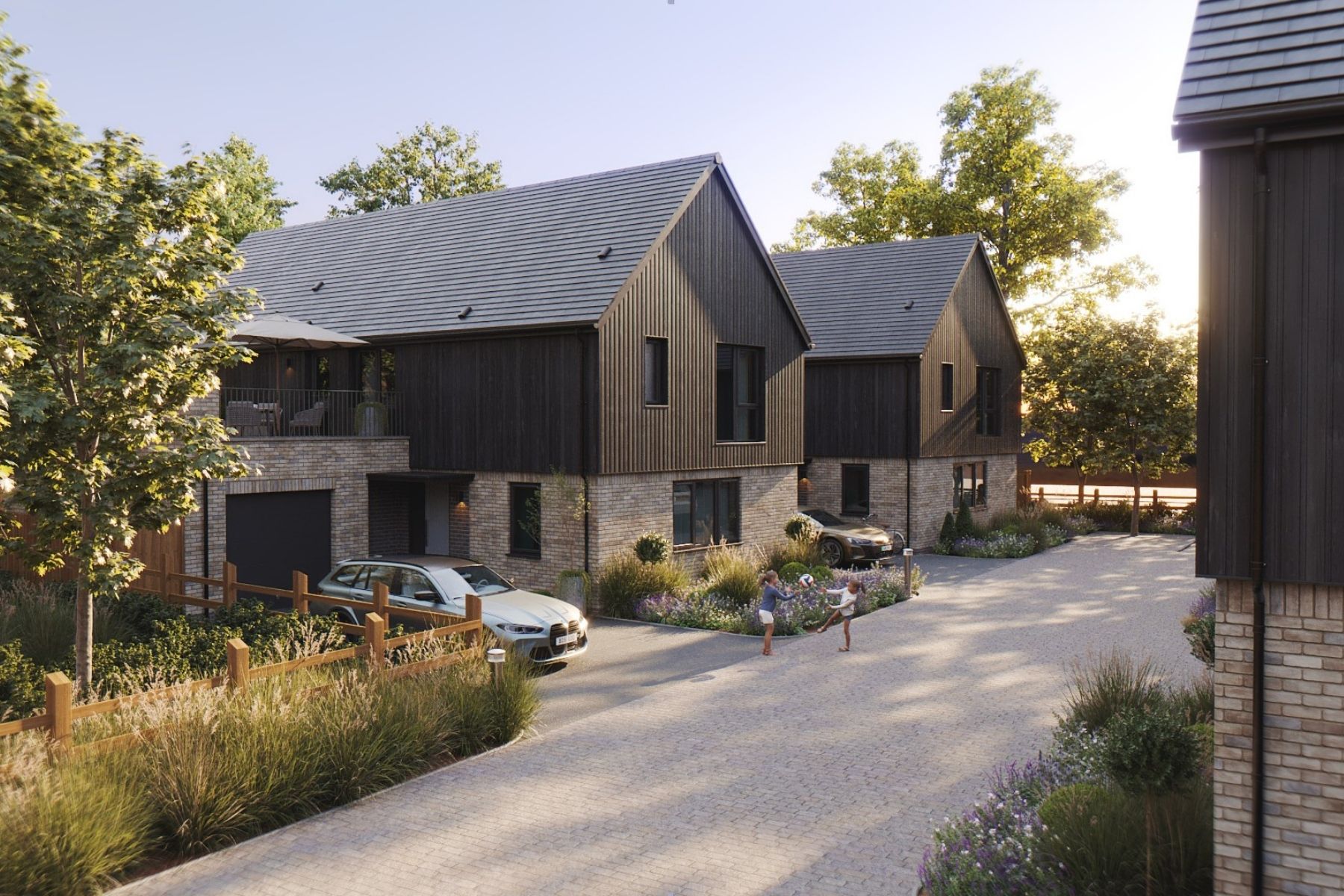
7. How do new build developments improve biodiversity and green spaces?
Sustainable living extends beyond the four walls of the house. Developers are now under increasing pressure to ensure that their projects benefit the local ecosystem.
Biodiversity Net Gain (BNG): This is a new legal requirement ensuring that a development leaves the natural environment in a better state than it was before construction. This might include planting wildflower meadows, installing "bee bricks," or creating ponds. Learn more about BNG here.
Sustainable Drainage Systems (SuDS): To prevent flooding and manage runoff, many new estates use permeable paving, swales and detention basins that mimic natural drainage.
Community Orchards and Allotments: Many modern site plans prioritise edible landscapes, giving residents the space to grow their own food and connect with nature.
8. How are sustainable materials used in new build construction?
The embodied carbon, the CO2 emitted during the manufacture and transport of building materials is a major focus for forward-thinking developers.
Responsibly Sourced Timber: Using FSC-certified wood ensures that forests are managed sustainably.
Low-VOC Paints: Volatile Organic Compounds can affect indoor air quality. Sustainable homes often use paints and adhesives that are low-emission, creating a healthier living environment.
Recycled Content: From insulation made from recycled plastic bottles to bricks made from waste materials, the circular economy is slowly entering the construction site.
9. Is there a financial benefit of living in an energy efficient home?
While the environmental benefits are clear, the financial incentives are equally persuasive.
Lower Running Costs: Estimates suggest that owners of new build homes can save over £2,000 a year on energy bills compared to those in older, less efficient properties.
Green Mortgages: Many lenders now offer Green Mortgages which provide lower interest rates or cash back for properties with an EPC rating of A or B.
Resale Value: As energy efficiency becomes a top priority for buyers, homes with high-end sustainable features are likely to hold their value better and sell faster in the future.
10. What is the Future Homes Standard 2025
The biggest shift is yet to come. The Future Homes Standard (FHS), set to be introduced in 2025, will require all new homes to produce 75 to 80% fewer carbon emissions than those built under current standards.
This will effectively ban gas boilers in new builds and mandate even higher levels of insulation and ventilation. By buying a new home today that already meets or nears these standards, you are future proofing your investment against upcoming regulations and the inevitable phase-out of fossil fuel infrastructure.
Conclusion: A Smarter Way to Live
Choosing a home with sustainable features is no longer just about doing your bit for the planet. It is a pragmatic decision for a more comfortable, cost effective and healthy life.
From the silent efficiency of an air source heat pump to the peace of mind provided by an EPC 'A' rating, the features of a modern new build represent the pinnacle of domestic engineering.
By prioritising these eco friendly innovations, you aren't just buying a house for today; you are investing in a home that is ready for the challenges and opportunities of tomorrow.
Whether you are a first-time buyer looking to keep monthly costs low or an upsizer seeking a modern, low-maintenance lifestyle, the sustainability of a new home is its most valuable asset. The future of housing is green and it’s already here.
Disclaimer
newhomesforsale.co.uk is a property portal and not a financial advisor, mortgage broker or mortgage lender. Always seek independent financial advice before making significant decisions about your money, mortgages or purchasing a property.
All information included in our articles is accurate to the best of our knowledge at the time of publication. However, any references to dates, prices and availability are subject to change without notice.
Please note that stock images used on this website are licensed from Canva.com.
Publish date 5th May, 2025
Reading time: 4 minutes
Written by Heather Bowles