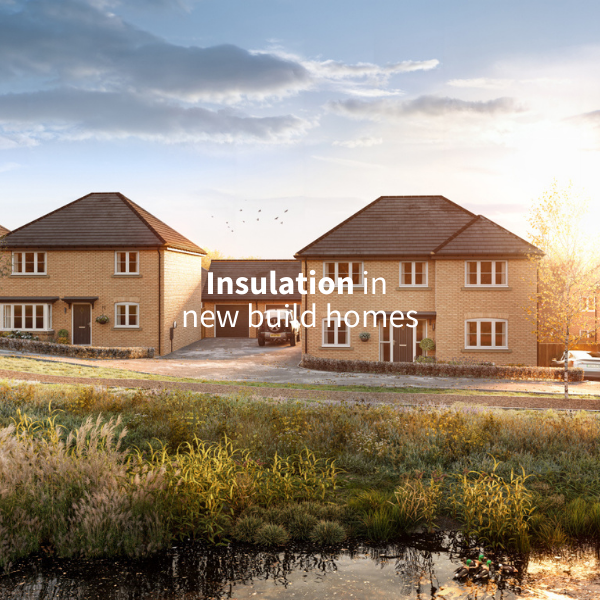
Insulation in new build homes
Insulation is a key feature of modern new build homes. It helps reduce heat loss and improve energy efficiency. Advanced materials are used to meet strict building standards.This allows homes to stay warmer for longer. It also reduces the energy needed for heating. The result is a more comfortable living environment all year round.
Introduction
Insulation plays an important role in how warm and energy efficient a home is. Over time, standards in the UK have improved, meaning newer homes are better at keeping heat in and reducing energy bills. Many older homes were built before these standards and have needed upgrades.
Historical insulation in UK homes
Early construction and limited insulation
Homes built before the 1970s often had very little insulation. At the time, the focus was on building structure rather than keeping heat inside.
- Walls were often not insulated
- Lofts had very thin layers of insulation
- Single glazed windows were common
- Heat could easily escape through walls, roofs and windows
Compared to today, these homes lost heat much more quickly.
Gradual improvements in regulations
From the 1970s onwards, building rules began to improve insulation standards.
- 1970s: basic insulation requirements introduced
- 1980s to 1990s: insulation levels gradually increased
- 2000s: better windows and roof insulation became standard
- 2010 onwards: stronger focus on energy efficiency across the whole home
For example, loft insulation has increased from very thin layers in the 1960s to much thicker levels today.
Retrofitting insulation in older homes
Scale of the retrofit challenge
A large number of UK homes were built before modern insulation standards.
- Millions of homes still meet older standards from the 1970s
- Many properties have not yet been fully upgraded
This means many households still live in homes that are less energy efficient.
Common retrofit measures
Improving insulation in older homes has become common.
- Adding insulation to cavity walls
- Insulating solid walls from the inside or outside
- Topping up loft insulation
- Replacing single glazing with double or triple glazing
These upgrades help reduce heat loss and improve comfort.
Challenges when upgrading older homes
- Some older or listed buildings have limits on what can be changed
- Homes need good airflow to prevent damp after insulation is added
- Work should follow recognised standards such as PAS 2035
Current insulation standards for new homes
Modern building standards
New homes today are built to much higher insulation standards.
- Walls, roofs and floors are designed to keep more heat inside
- Windows are usually double or triple glazed
- Homes are built to reduce energy use and improve comfort
These standards are set out in UK building regulations.
Additional requirements
- Homes must also avoid overheating in warmer weather
- Energy Performance Certificates rate how efficient a home is
- Designs must balance insulation with good ventilation
Modern roof insulation is much thicker than in older homes.
Enhanced insulation in modern developments
Improved building approaches
Some developers go beyond minimum standards to improve energy efficiency.
- Using higher quality insulation materials
- Building homes with fewer gaps where heat can escape
- Combining insulation with modern ventilation systems
These features can help lower energy bills and improve comfort.
Low energy housing
- Some developments are designed to use much less energy than standard homes
- These homes rely on very high insulation and careful design
- They support wider goals to reduce carbon emissions
Ongoing issues
- Not all new homes perform as well as expected
- Build quality can affect how well insulation works
- Some newer homes may still need improvements
Conclusion
Insulation in UK homes has improved over time. Many older homes still need upgrades, while new homes are built to much higher standards. Some developments now go further, using enhanced insulation to improve energy efficiency and reduce long term costs.
Article overview
Insulation in UK homes has improved significantly over time. Older properties, especially those built before the 1970s, often had little insulation and lose heat easily, which has led to widespread retrofit upgrades such as loft and wall insulation.
Modern homes are built to much higher standards, helping to keep heat in and reduce energy use. Building regulations now focus on overall energy efficiency, comfort and ventilation.
Some developers go further by using enhanced insulation and improved construction methods. While progress has been made, many older homes still require upgrades, and the performance of new homes can vary depending on build quality.
Article overview composed with the help of AI
Disclaimer
newhomesforsale.co.uk is an information platform and not a financial advisor, mortgage broker or mortgage lender. Always get financial advice before making significant decisions about your money, mortgages and buying a house.
Publish date 2nd April, 2026
Reading time: 3 minutes
Written by Vicki England