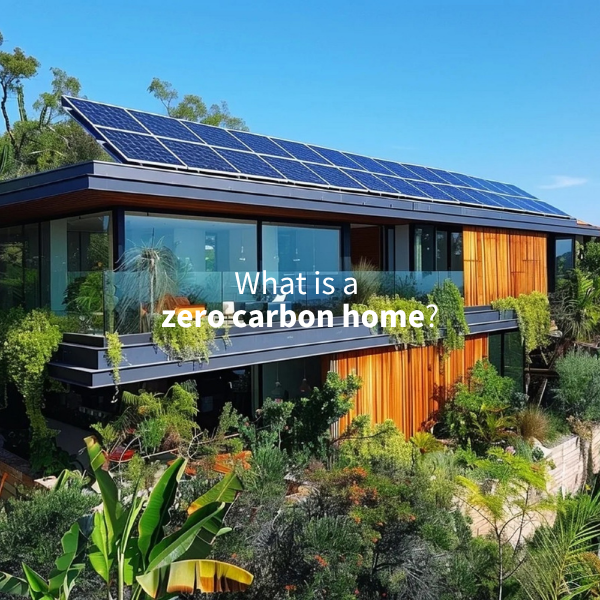
What is a zero carbon home?
A zero carbon home produces as much energy as it consumes annually through superior insulation and renewable energy systems like solar panels. These highly efficient buildings generate no net carbon emissions from energy use while providing comfortable living spaces.
A zero carbon home produces as much energy as it consumes over the course of a year. These buildings generate no net carbon emissions from their energy use. The concept represents a major shift in how we design and build residential properties.
Zero carbon homes combine energy efficiency with renewable energy generation. They minimize energy waste through superior insulation and airtight construction. Solar panels or other renewable systems then offset any remaining energy needs.
What are the core principles of zero carbon homes?
The foundation of any zero carbon home starts with reducing energy demand. Before adding renewable energy systems the building must be highly efficient. This approach follows a simple hierarchy: reduce first then generate.
Energy efficiency
Zero carbon homes use significantly less energy than conventional buildings. Superior insulation in walls and roofs prevents heat loss. Triple glazed windows block thermal transfer while maintaining natural light. Airtight construction eliminates drafts that waste heating and cooling energy.
These homes often achieve insulation values three times better than standard building codes require. Every detail matters from foundation to roof. Air barriers seal the building envelope completely.
Renewable energy generation
After minimizing energy use these homes generate their own power. Solar photovoltaic panels are the most common renewable energy source. They convert sunlight directly into electricity for the home.
Some properties use additional renewable systems. Ground source heat pumps extract warmth from below ground. Solar thermal panels heat water using the sun. Small wind turbines may supplement energy generation in suitable locations.
What key features and technologies are used to create a zero carbon home?
Several building systems work together to achieve zero carbon performance. Each component plays a specific role in the overall energy strategy.
Heating and cooling systems
Zero carbon homes typically use heat pumps instead of gas boilers. Air source heat pumps extract warmth from outside air. They work efficiently even in cold weather. Heat recovery ventilation systems capture warmth from stale air before it exits the building.
Passive solar design reduces mechanical heating and cooling needs. Large south facing windows capture winter sun. Overhangs and shading prevent summer overheating.
Hot water production
Solar thermal collectors provide hot water using sunlight. Heat pump water heaters offer another efficient option. Well insulated tanks prevent heat loss from stored water.
Lighting and appliances
LED lighting uses a fraction of the energy compared to traditional bulbs. Energy efficient appliances reduce electrical demand. Smart home systems optimize energy use based on occupancy and time of day.
What are the benefits of zero carbon homes?
These buildings offer multiple advantages beyond environmental benefits. Homeowners experience tangible improvements in comfort and costs.
Financial advantages
Energy bills can drop by 80% or more compared to conventional homes. Some zero carbon homes generate surplus electricity that can be sold back to the grid. Government incentives and tax credits often offset higher construction costs.
Long term savings accumulate substantially over the life of the building. Protection from energy price volatility provides financial security. Mortgage programs increasingly recognize the value of efficient homes with better lending terms.
Comfort and health
Consistent indoor temperatures eliminate hot and cold spots. Fresh filtered air enters continuously through mechanical ventilation. Humidity levels remain optimal year round. Sound insulation improves due to high performance windows and walls.
Environmental impact
Residential buildings account for significant global carbon emissions. Zero carbon homes eliminate this contribution to climate change. They reduce demand on electrical grids and fossil fuel infrastructure.
What construction approaches are taken in building zero carbon homes?
Builders can achieve zero carbon performance through different methods. The specific approach depends on location and budget.
New build zero carbon homes
Purpose built zero carbon homes incorporate all features from the design stage. Architects optimise building orientation for solar gain. Construction teams install high performance building envelopes. Integrated renewable systems become part of the original design.
New construction offers the most cost effective path to zero carbon. Design flexibility allows optimal solutions without retrofit constraints.
Retrofit and renovation
Existing homes can be upgraded to zero carbon standards. This process requires comprehensive improvements across multiple building systems. External wall insulation improves thermal performance. New windows and doors reduce air leakage. Solar panels and heat pumps replace fossil fuel systems.
Retrofits typically cost more than building new but preserve existing structures. Phased improvements spread costs over time.
What are the challenges with building zero carbon homes?
Zero carbon homes require higher upfront investment than conventional construction. Premium materials and the specialist skills required increase initial costs. However energy savings and incentives often provide reasonable payback periods.
Design expertise is essential for achieving true zero carbon performance. Poor execution can compromise energy efficiency. Certified professionals ensure systems are installed and commissioned correctly.
Climate and location affect the balance between energy reduction and generation. Homes in cold climates need more insulation. Properties with limited solar access may require larger renewable systems or alternative strategies.
What is the future of zero carbon homes?
Building codes worldwide are moving toward zero carbon requirements. Many jurisdictions now mandate increasingly strict energy standards. The European Union has set ambitious targets for all new buildings. Several countries plan to ban fossil fuel heating systems in new construction.
Technology continues to advance making zero carbon homes more accessible. Battery storage systems are becoming affordable allowing homes to store solar energy for nighttime use. Smart grid integration lets buildings share excess generation with neighbours.
The home building industry is adapting to meet demand. More builders gain expertise in high performance techniques. Supply chains now readily provide necessary materials and components. Costs decrease as methods become the norm.
Zero carbon homes represent the future of residential construction. They demonstrate that comfortable modern living is possible without fossil fuel dependence. As climate concerns intensify these buildings show a practical path forward.
The shift to zero carbon housing is gaining momentum. Early adopters pave the way for mainstream acceptance. Within coming decades zero carbon performance may become the baseline expectation for all new homes.
Disclaimer
newhomesforsale.co.uk is a property portal and not a financial advisor, mortgage broker or mortgage lender. Always seek independent financial advice before making significant decisions about your money, mortgages or purchasing a property.
All information included in our articles is accurate to the best of our knowledge at the time of publication. However, any references to dates, prices and availability are subject to change without notice.
Please note that stock images used on this website are licensed from Canva.com.
Publish date 16th April, 2026
Reading time: 4 minutes
Written by Vicki England