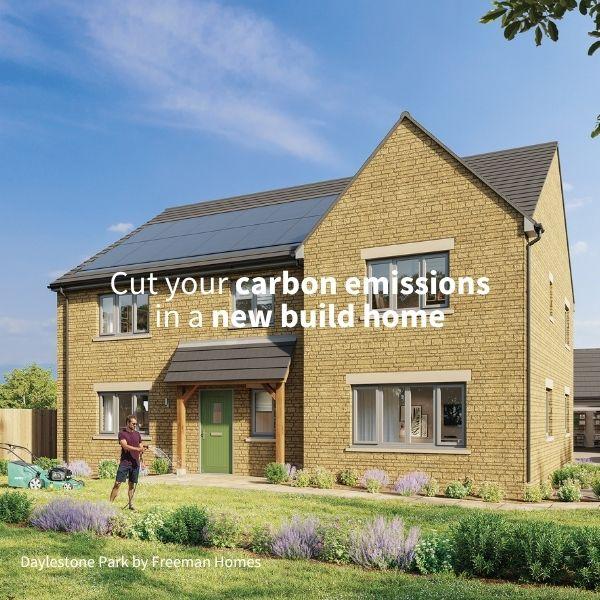
Cut your carbon emissions in a new build home
New-build homes can help reduce your carbon emissions, mainly through lower energy use. They are built with better insulation, modern heating systems, and improved airtightness, which means less energy is needed day to day. While construction creates an upfront carbon cost, these homes often offset it over time. Overall, they offer a more efficient and forward-looking option for lowering long-term environmental impact.
Buying a new-build home is often seen as a practical way to lower your carbon footprint. And in many cases, that holds up.
Modern homes are designed to be more energy efficient. Aligning with stricter environmental standards following Future Home Standard practices. While there is an upfront impact from construction, the way these homes perform over time is where the real benefit sits.
To understand the full picture, it helps to look at both the advantages and the trade-offs.
Environmental pros of buying a new build
New-build homes are designed to use less energy from the start. High levels of insulation are built into the walls, roof and floors. Helping to keep heat in and reduce the need for constant heating. This alone can cut a large portion of household emissions.
Airtight construction also makes a difference. Fewer draughts mean a more stable indoor temperature, so energy isn’t wasted trying to maintain comfort. Combined with modern glazing, this creates a home that holds heat far more effectively than older properties.
Heating systems are another key factor. Many new builds now use low-carbon options like air source heat pumps. These systems are more efficient than traditional gas boilers and produce fewer emissions, particularly as electricity becomes greener.
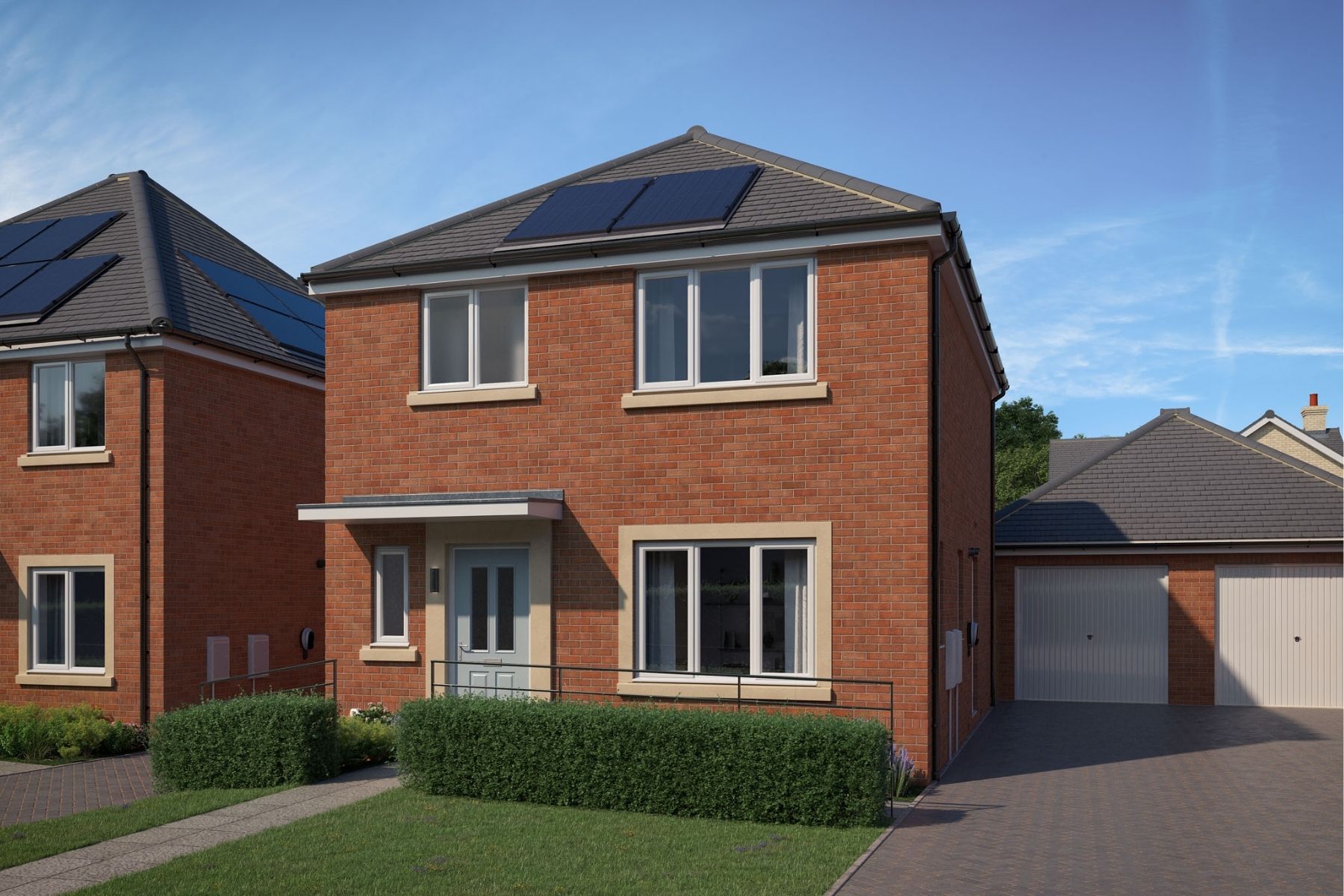
Some homes also include solar panels or are designed so they can be added easily. Generating electricity on-site can reduce reliance on the grid and lower overall carbon output.
There is also a longer-term benefit. New homes are built to meet current and upcoming regulations, which means they are less likely to need major upgrades in the future. That avoids additional materials, labour and emissions later on.
Taken together, these features make new-build homes consistently lower in day-to-day emissions. Over time, that steady reduction is where they deliver the most value environmentally.
Things to consider
The main drawback is the carbon involved in building the home. Construction requires materials like concrete and steel, which are energy-intensive to produce. Transport and on-site work add to that footprint, creating a higher starting point compared to existing homes.
This upfront impact is often described as embodied carbon. It means a new home incurs a carbon cost before anyone lives in it.
However, this is balanced over time by lower energy use. As the home operates more efficiently year after year, it gradually offsets that initial footprint.
There are also wider factors to consider. The location of a new-build development can influence how people travel and access services. Homes built in well-connected areas tend to support lower-carbon lifestyles, while those further out may increase reliance on cars.
It is also true that some older homes can be upgraded to improve efficiency. But reaching the same level of performance as a new build is not always straightforward. Particularly with older construction methods or structural limitations.
FAQs
Q. Do new-build homes always have lower carbon emissions?
A. Not always, as they come with an upfront carbon cost from construction. However, they typically produce lower day-to-day emissions due to better insulation and modern heating systems.
Q. How long does it take to offset the carbon from construction?
A. This can take several years or even decades, depending on the build and energy performance. The more efficient the home, the faster it balances out its initial carbon impact.
Q. Is upgrading an older home better for the environment?
A. In some cases, upgrading can be a lower-carbon option because it avoids new construction. However, older homes are not always able to reach the same level of efficiency as a new build.
Disclaimer
newhomesforsale.co.uk is a property portal and not a financial advisor, mortgage broker or mortgage lender. Always seek independent financial advice before making significant decisions about your money, mortgages or purchasing a property.
All information included in our articles is accurate to the best of our knowledge at the time of publication. However, any references to dates, prices and availability are subject to change without notice.
Please note that stock images used on this website are licensed from Canva.com.
Publish date 1st July, 2026
Reading time: 5 minutes
Written by Heather Bowles