How Housebuilders are Protecting the Local Environment and Wildlife
When you look at a modern housing estate, it’s easy to focus on the scaffolding and the lorries. But if you look a little closer, you’ll see that new builds are actually becoming some of the most nature friendly neighbourhoods in the country.
In 2026, the concrete jungle stereotype is being replaced by something far greener. From high-tech bird bricks to new wetlands, house builders are proving that we can build for people without leaving wildlife out in the cold.
1. Nature First: Biodiversity Net Gain
The biggest shift in the industry isn't just about design, it’s about the law. Under the Biodiversity Net Gain (BNG) rules that became fully mandatory for all site sizes in 2024, developers can't just minimise damage; they have to actively make things better.
Every new development now has to prove it will increase the local biodiversity by at least 10%. Builder are required to include new high quality habitats. Think wildflower meadows, native woodlands, or ponds and legally guarantee they’ll look after them for at least 30 years. It’s a leave it better than you found it policy on a national scale.
2. Co-Living with Nature
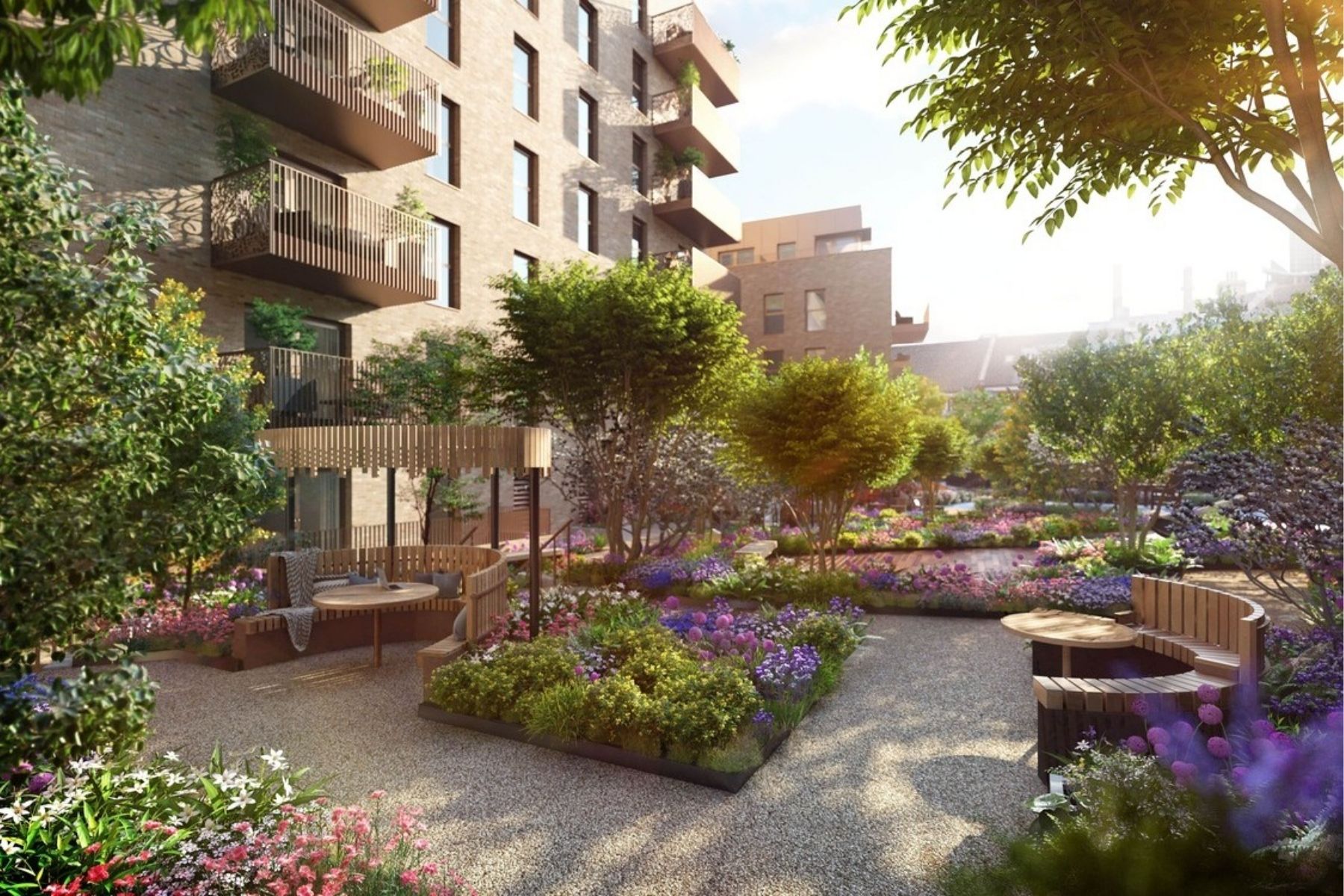
Modern houses are being designed as habitats in their own right. Architects are now building wildlife features directly into the walls, so they don’t just sit on the land, they support it.
Swift Bricks & Bat Tubes: These are hollowed-out bricks that look like part of the wall but offer a safe, insulated nesting spot for birds and bats. Because they are "integral," they don't affect the home's energy efficiency.
Bee Bricks: These are a favourite for new gardens. They feature tiny holes for solitary bees to nest in. These bees are the "non-stinging" type and are absolute powerhouses for pollinating the flowers in your new neighbourhood.
Living Roofs: On garages or bike sheds, you’ll often see sedum or wildflower roofs. They soak up rainwater, keep buildings cool, and provide a "pit stop" for butterflies and bees.
3. The Hedgehog Highway
One of the coolest features of new developments is also one of the smallest. A solid fence is like a fortress wall to a hedgehog, who can travel over a mile every night looking for food.
To help, builders now install Hedgehog Highways. Usually a small 13cm x 13cm gaps at the base of fences. This simple tweak turns a row of individual gardens into one massive, connected wildlife park, allowing hedgehogs to roam freely without getting stuck.
4. Smart Water: Ponds instead of Pipes
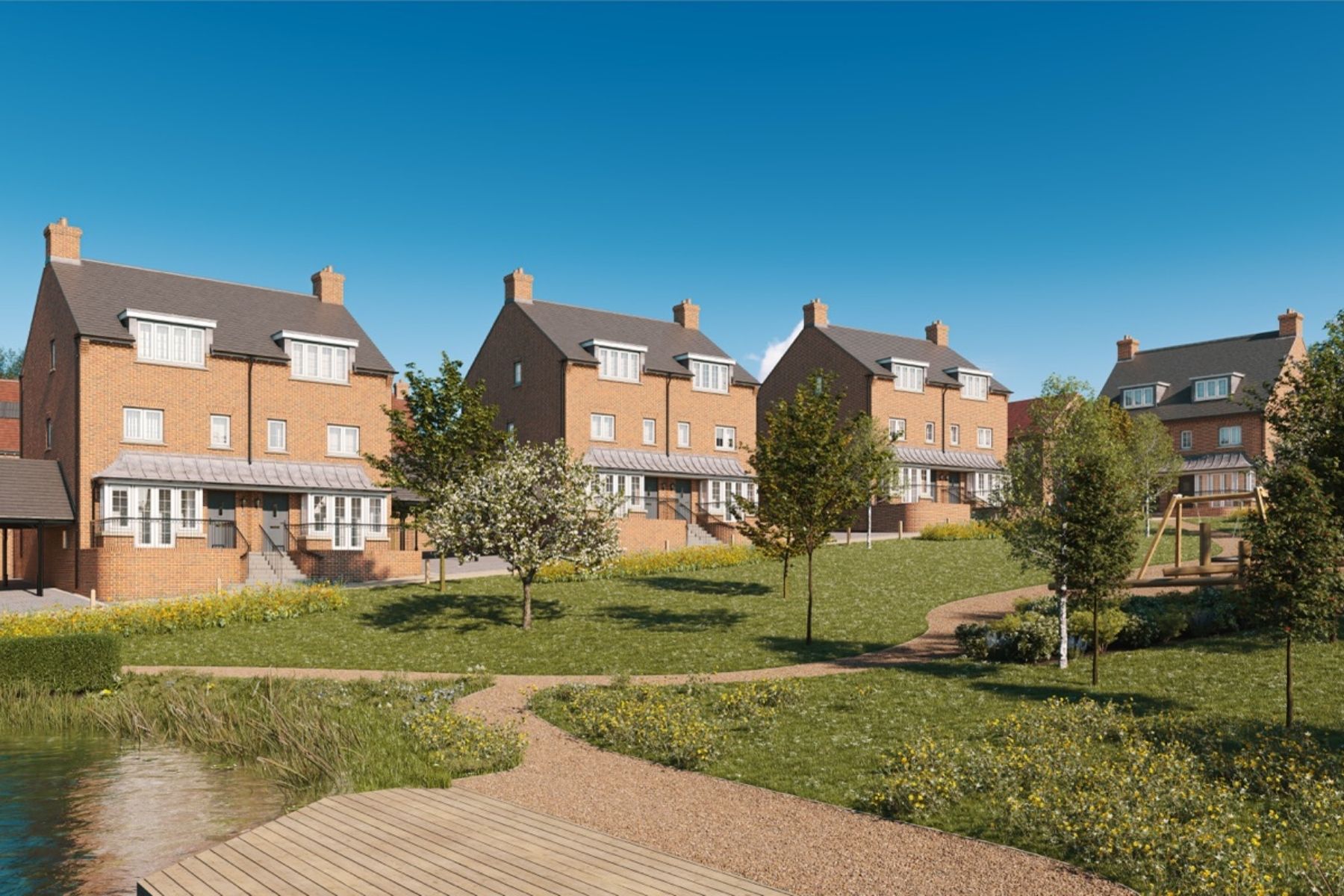
In the past, rainwater was whisked away through underground concrete pipes as fast as possible. Today, developers use Sustainable Drainage Systems (SuDS).
Instead of hiding the water, they use it to create "blue-green" spaces. You’ll see:
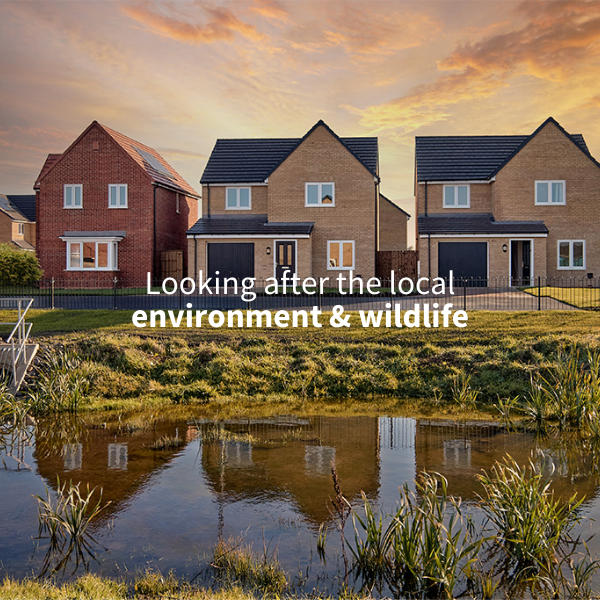
Attenuation Ponds: These look like lovely village ponds but act as "buffers" during heavy rain to prevent flooding.
Swales: Pretty, grass-lined dips along the side of the road that naturally filter water as it moves. These spots aren't just for flood protection; they quickly become thriving homes for dragonflies, frogs and ducks.
5. Saving the Trees
You can’t replace a 100 year old Oak overnight. That’s why modern site plans are often designed around existing mature trees and ancient hedgerows.
By keeping existing plants, developers preserve the complex ecosystems and the huge amounts of carbon already stored on the site. These mature trees also give new estates an immediate sense of character and provide natural air conditioning to keep streets cool during hot summers.
6. Dark Skies and Quiet Nights
We often forget that many of our local neighbours (like owls, moths, and bats) are night owls. Excessive, bright street lighting can be a nightmare for them.
New developments are increasingly moving toward wildlife friendly lighting. This means LED lights that are:
Shielded: Pointed strictly downward at the pavement, not up into the sky or into trees.
Warmer Tones: Using warmer colours that are less disruptive to animal sleep cycles than harsh blue-white light.
7. The New Nature Restoration Fund
As of 2026, the government has launched the Nature Restoration Fund. This allows developers to pool their environmental contributions into massive, landscape-scale projects managed by experts like Natural England.
Instead of just planting a few trees on-site, builders can fund the restoration of entire river systems or the creation of vast new wetlands nearby. This big picture approach means that a new housing project can help solve environmental problems, like river pollution miles away from the front door.
The days of choosing between new homes and nature are officially behind us. In 2026, the best house builders have realised that a neighbourhood isn't just a collection of buildings; it’s a living, breathing ecosystem. By weaving wildlife-friendly features into the very fabric of our communities from the bricks in the walls to the ponds in the parks. Developers are creating places where both people and nature can truly thrive.
Buying a new build today means more than just getting a fresh set of keys and a modern kitchen. It means moving into a community that’s actively working to restore the British countryside, one hedgehog highway and wildflower meadow at a time. It’s an exciting new chapter for the housing industry, proving that we can build the future we need while protecting the natural world we love.
This article was updated on 28th January 2026. All content is correct to the best of our knowledge at the time of publishing or review.
Article overview
House builders are increasingly committing to protecting wildlife through the Homes for Nature initiative.
Measures include installing bat and bird boxes, creating hedgehog highways, planting native trees and designing pollinator-friendly landscapes. Hedgehog highways provide small gaps in fences to allow safe passage, aiding declining populations. Bat and bird boxes offer safe nesting without entering homes.
Developers must now meet a 10% Biodiversity Net Gain, encouraging green spaces and tree planting, which improve air quality and wellbeing. Additionally, balancing ponds help manage rainwater and serve as habitats for wildlife. These efforts support a healthier environment and thriving local ecosystems.
Article overview composed with the help of AI
Disclaimer
newhomesforsale.co.uk is an information platform and not a financial advisor, mortgage broker or mortgage lender. Always get financial advice before making significant decisions about your money, mortgages and buying a house.
Publish date 15th May, 2025
Reading time: 3 minutes
Written by Heather Bowles