What does 'net zero' mean for new build homes?
Net zero in new build homes means the property is designed to produce very low carbon emissions. This is achieved through efficient construction, strong insulation, and low-energy heating systems like heat pumps. Any remaining emissions are balanced using renewable energy such as solar panels or cleaner grid electricity. These homes use much less energy than traditional buildings. They stay comfortable year-round and rely less on fossil fuels, reducing environmental impact and long-term running costs.
Net zero is becoming a key standard for new build homes. New homes are designed to produce very low carbon emissions. Any remaining emissions balanced so the overall impact is close to zero over a year.
Unlike older homes that are upgraded over time, new builds are designed this way from the start. Energy efficiency is built into every stage of construction.
Energy efficient by design
New build homes are highly energy efficient by design. This starts with advanced insulation in the walls, roofs and floors. Which helps keep warmth inside during colder months and reduces overheating in warmer weather.
High-quality double or triple glazing also reduces heat loss through windows. On top of this, modern construction techniques focus on airtightness, which reduces draughts and prevents unwanted heat escaping.
Low-carbon heating system
Heating systems in new build homes are also changing. Gas boilers are being replaced with low-carbon alternatives, like air source heat pumps. Systems work by transferring heat rather than burning fuel. Making them far more efficient, especially in well-insulated homes.
Hot water systems are also designed for efficiency. Often using smart controls and storage solutions to reduce energy waste.
Renewable energy in the home
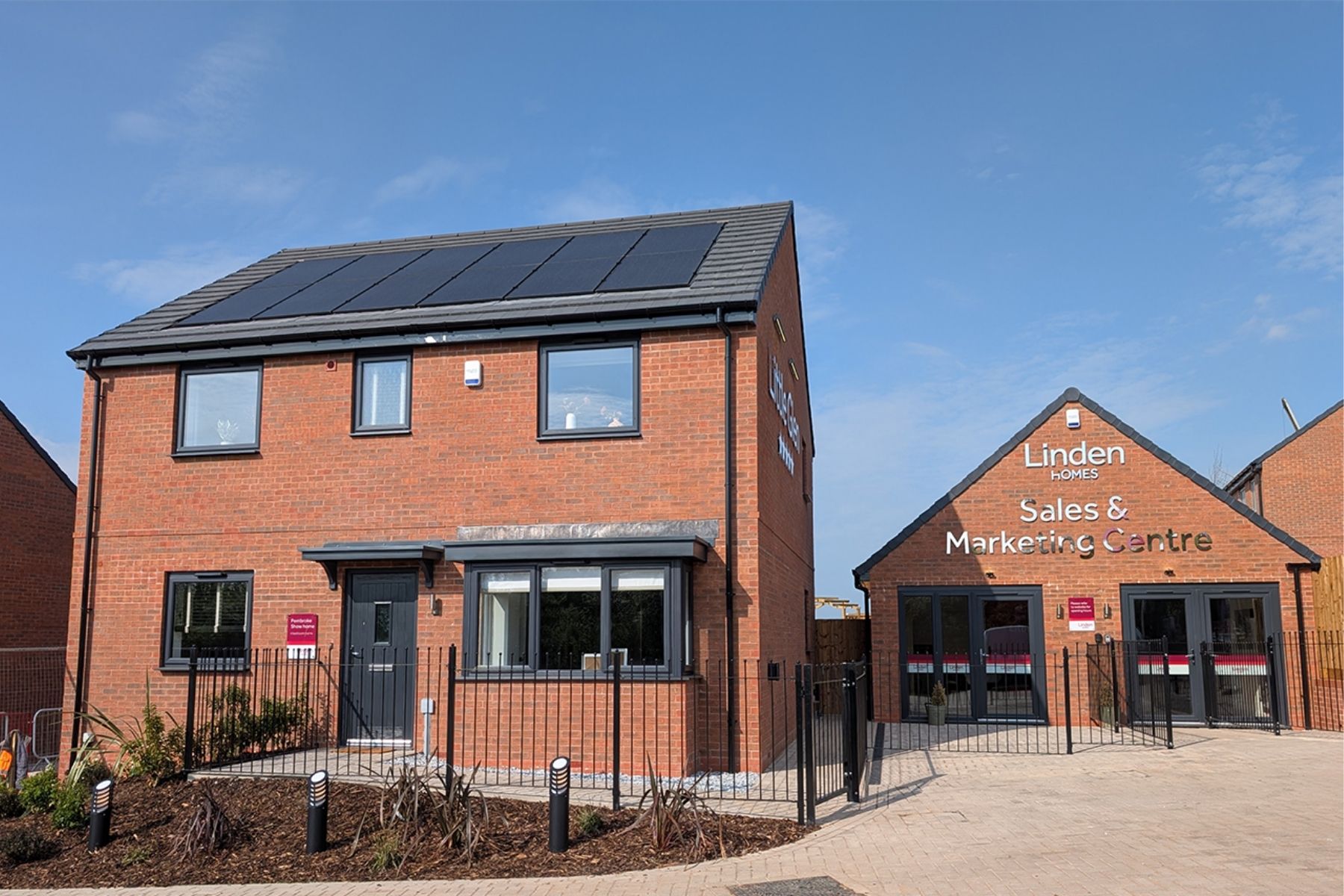
Renewable energy is another important part of net zero new builds. Many homes now come with solar panels, which generate electricity from sunlight. Some developments also include battery storage, allowing homeowners to store excess energy and use it later in the day or evening.
Solar panels reduce reliance on the grid and lowers overall carbon emissions. As the national electricity grid becomes greener over time, homes that use more electricity and less gas naturally become even lower in carbon impact.
Smart energy management
Smart technology also plays a role in reducing energy use. Many new build homes include smart thermostats, heating controls and energy monitoring systems. These tools help homeowners manage their energy use more efficiently and avoid unnecessary waste.
Being able to track and adjust energy consumption in real time can lead to small behavioural changes. These all add to noticeable savings over time.
What about remaining emissions?
Even with all these improvements, some new build homes may still produce a small amount of emissions. In some cases, these are balanced through carbon offsetting.
But, the focus is increasingly on reducing emissions at the source rather than relying on offsets. The long-term goal of the policy is to minimise emissions as much as possible within the home itself.
Why net zero matters for new homes
Net zero is becoming increasingly important in new housing because standards and regulations are tightening.
The government encourages developers to build homes ready for a low-carbon future. For homeowners, this means new builds are generally cheaper to run and more comfortable to live in. Homeowners will be better protected against rising energy costs and future regulation changes.
The future of new build homes
Overall, net zero is reshaping how new homes are built. It is no longer an optional extra but an emerging standard.
New build homes are designed to use less energy, rely less on fossil fuels and operate more efficiently from day one. Resulting in homes that are both more sustainable and more cost-effective in the long term.
Learn more about Zero carbon homes here.
FAQs
Q. What makes a new build home net zero?
A. A new build home is considered net zero when it is designed to produce very low carbon emissions and uses renewable or low-carbon energy sources to balance out what remains.
This is usually achieved through high insulation, airtight construction, efficient heating systems like heat pumps and on-site renewable energy such as solar panels.
Q. Are net zero new builds more expensive to buy?
They can sometimes have a slightly higher upfront cost due to energy-efficient materials and technology. However, running costs are usually lower because they use less energy for heating and electricity. Over time, this can help offset the initial purchase price, especially as energy prices rise.
Disclaimer
newhomesforsale.co.uk is a property portal and not a financial advisor, mortgage broker or mortgage lender. Always seek independent financial advice before making significant decisions about your money, mortgages or purchasing a property.
All information included in our articles is accurate to the best of our knowledge at the time of publication. However, any references to dates, prices and availability are subject to change without notice.
Please note that stock images used on this website are licensed from Canva.com.
Publish date 6th July, 2026
Reading time: 4 minutes
Written by Heather Bowles