Passivhaus Explained
The concept of the "forever home" is evolving. In decades past, it was defined primarily by its location or the number of bedrooms. Today, as we grapple with a changing climate and rising energy costs, the definition has shifted toward performance, health and sustainability.
At the forefront of this revolution is Passivhaus Passive House - a rigorous, voluntary standard for energy efficiency that reduces a building’s ecological footprint while offering unparalleled comfort.
For those looking at new build homes, understanding Passivhaus is no longer just for eco enthusiasts. It is becoming the gold standard for anyone who wants a home that is future proofed against the economic and environmental challenges of the 21st century.
What is Passivhaus?
Originating in Germany, Passivhaus is not a specific architectural style, but a performance based construction standard. The goal is simple: to create a home that maintains a comfortable interior temperature year round while using very little energy.
A Passivhaus building is so well insulated and airtight that it can essentially be heated by "passive" sources. Such as solar gains from windows, the heat emitted by appliances and even the body heat of the residents.
While traditional homes rely on powerful central heating systems to compensate for heat escaping through thin walls and drafty windows, a Passivhaus keeps the tea warm like a high quality thermos.
The five pillars of Passivhaus: A fabric-first approach
To truly appreciate why a Passivhaus feels so different from a conventional home, we have to look closely at the fabric-first engineering that defines it. These five pillars are not just separate features; they are an integrated system designed to eliminate the need for a traditional heating system.
1. Exceptional thermal insulation
In a standard home, heat is constantly fighting to escape through the walls, floor and roof. A Passivhaus treats the building envelope like a high performance winter coat.
- The Cosy Factor: The insulation used is significantly thicker than building regulations require. Depending on the material, walls can be up to 300mm-400mm thick.
- Continuity is key: Unlike traditional builds where insulation might have gaps around floor joists or corners, Passivhaus insulation is continuous. It wraps around the entire structure, including the foundation to ensure there is no break in the thermal barrier.
- The result: This drastically slows down the transfer of heat. In the winter, the heat generated inside stays inside for hours. In the summer, the same insulation prevents the sun’s external heat from baking the interior.
2. Passivhaus premium windows
Windows are traditionally the weakest point in a building's thermal defence. Passivhaus turns this weakness into a strength through high tech glazing and orientation.
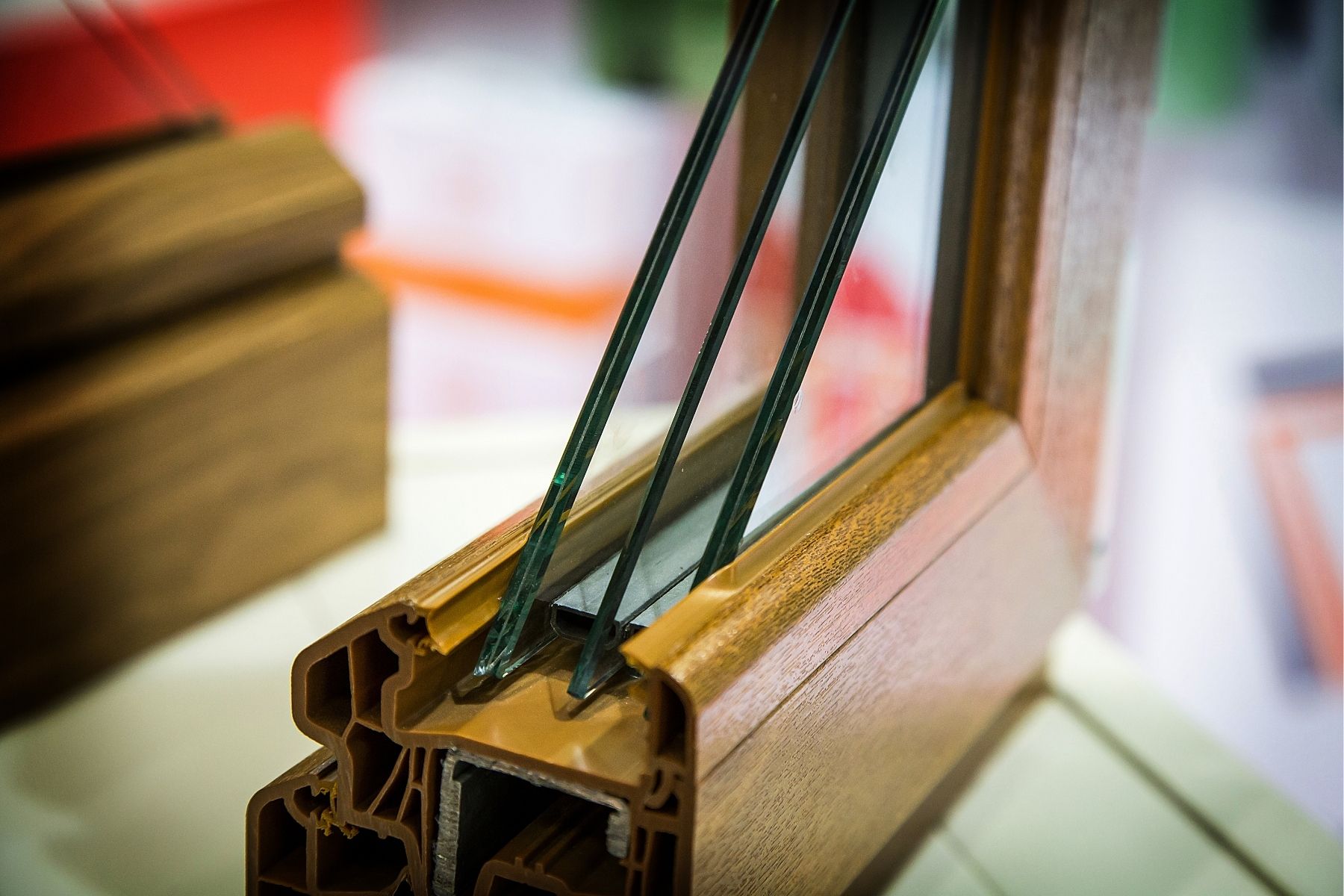
- Triple glazing as standard: These aren't your average double glazed units. They feature three panes of glass separated by argon or krypton gas, which are poor conductors of heat.
- Insulated frames: Most heat loss in windows actually happens through the frame. Passivhaus frames are specially engineered with internal thermal breaks to ensure the frame stays as warm as the glass.
- Solar harvesting: Architects orient these windows to face the sun. In the winter, the low sun shines through the glass and warms the floors and walls - acting like a free radiator.
3. Mechanical Ventilation with Heat Recovery (MVHR)
This is the engine room of the home.
- Heat exchange: As stale, warm air is sucked out of kitchens and bathrooms, it passes through a heat exchanger. At the same time, fresh, cold air is pulled in from outside. The two air streams never mix, but the outgoing warm air hands over its heat to the incoming fresh air.
- Filtered living: The incoming air passes through high grade filters, removing pollen, fine dust and urban pollutants.
- Consistency: The system runs silently 24/7. It ensures that every room has outdoor levels of freshness without ever feeling a cold draft.
4. Stringent airtightness
Drafts are the enemy of energy efficiency. In older homes, air leaks through gaps in floorboards, around pipework and through electrical sockets.
- The pressure test: To be certified, a Passivhaus must pass a Blower Door Test. It must have less than 0.6 air changes per hour.
- Longevity: Airtightness also protects the building's structure. When warm, moist air leaks into the walls of a normal house, it can condense and cause timber rot. An airtight seal prevents this moisture movement.
5. Thermal bridge-free design
A thermal bridge is a highway for heat. It occurs when a conductive material like a steel beam goes from the inside of a house directly to the outside.
- Eliminating cold spots: If you have a balcony that is just a continuation of a concrete floor slab, that concrete sucks the heat out of your living room.
- Advanced engineering: Passivhaus designers use specialised thermal breaks - non conductive connectors - to ensure that no structural element creates a cold path.
- No condensation: By eliminating thermal bridges, you eliminate cold spots on internal walls. This is why you will almost never see mold or dampness in a Passivhaus.
The benefits of a Passivhaus new build
Choosing a Passivhaus over a standard new build offers a suite of life changing benefits that go far beyond just saving on utilities.
- Exceptional energy savings: A certified Passivhaus can reduce heating demand by up to 90% compared to older housing stock and by over 75% compared to standard new builds. In a world of volatile energy prices, this provides immense financial security.
- Superior indoor air quality: Thanks to the MVHR system, pollutants are filtered out before they enter the home. This is life changing for people with allergies or asthma.
- Total thermal comfort: Internal surface temperatures remain remarkably consistent. Even when it’s freezing outside, the inside of the glass on a triple glazed window remains warm to the touch.
- Acoustic peace: The heavy insulation and triple glazing keep noise out. Passivhaus homes are famously quiet, making them ideal for urban environments.
Do newhomesforsale.co.uk list Passivhaus certified developments?
Yes! If you are looking for a home that combines modern design with world leading efficiency, several standout developments featured on newhomesforsale.co.uk are leading the way.
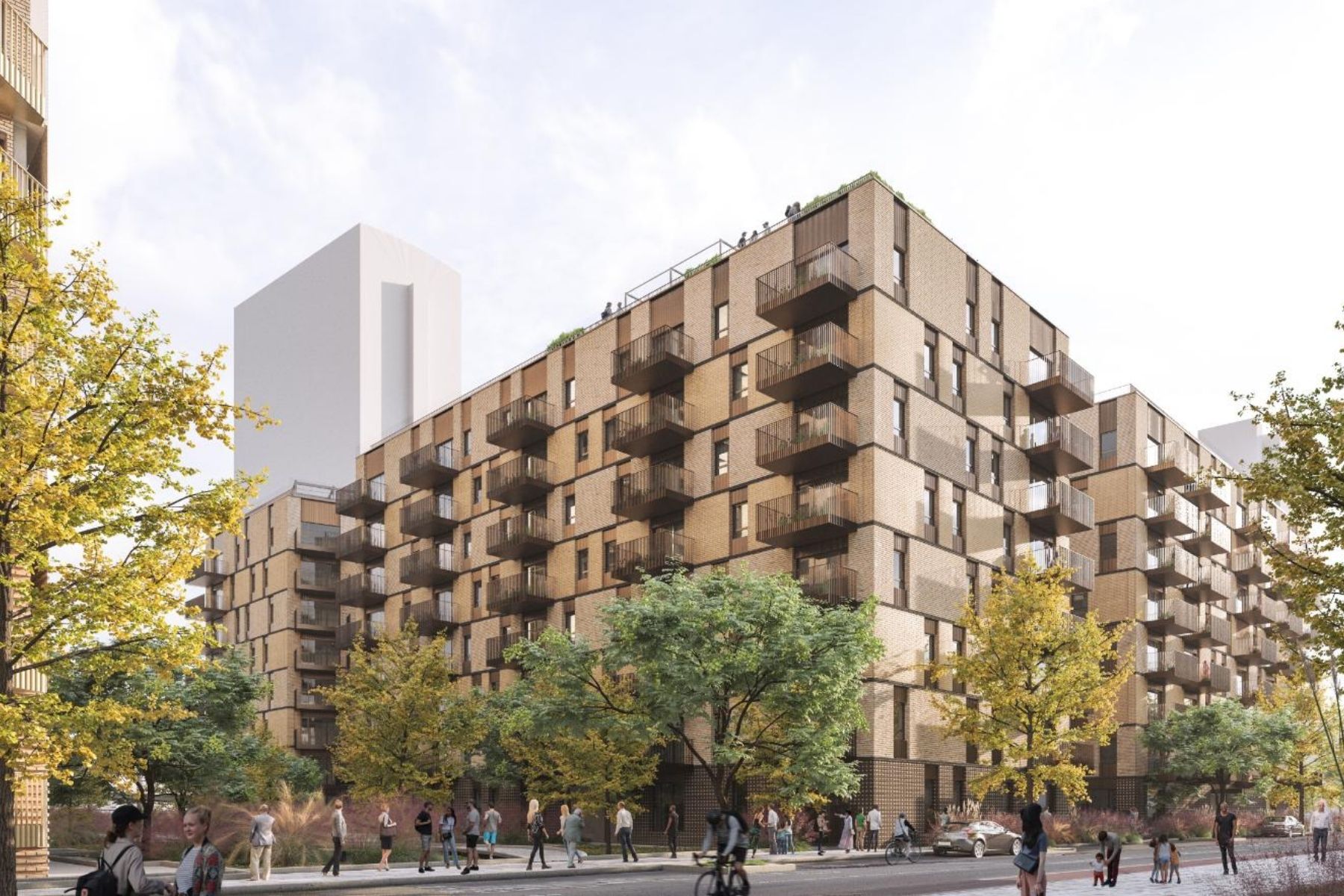
1. Deptford Edge by Peabody New Homes
Shared Ownership | 1 and 2 bedroom apartments.
Located in a vibrant part of South East London, Deptford Landing is a major regeneration project. Proving sustainability can work in high density urban environments.
Passivhaus Focus: This development includes phases specifically designed to meet Passivhaus standards, making it one of the largest projects of its kind in the capital.
Energy efficient features: Beyond the airtight Passivhaus fabric, these homes utilise high efficiency heating systems and MVHR units to ensure fresh air without heat loss. The apartments are built with high performance thermal envelopes that significantly reduce the carbon footprint of every resident.
2. Duncombe Square by William H Brown
Outright sale | 3 and 4 bedroom houses.
Situated in York, Duncombe Square is a masterclass in community led sustainability and award winning architectural design.
Passivhaus Focus: The development was designed with the Passivhaus fabric first approach at its core, aiming for certification to ensure residents enjoy incredibly low running costs.
Energy efficient features: These homes often feature air source heat pumps and solar PV panels to generate renewable energy on site. The layout is optimised for solar gain. Capturing the sun's warmth in winter while using clever shading to stay cool in the summer.
3. Oake View by Fox & Sons
Outright sale | 4 bedroom houses
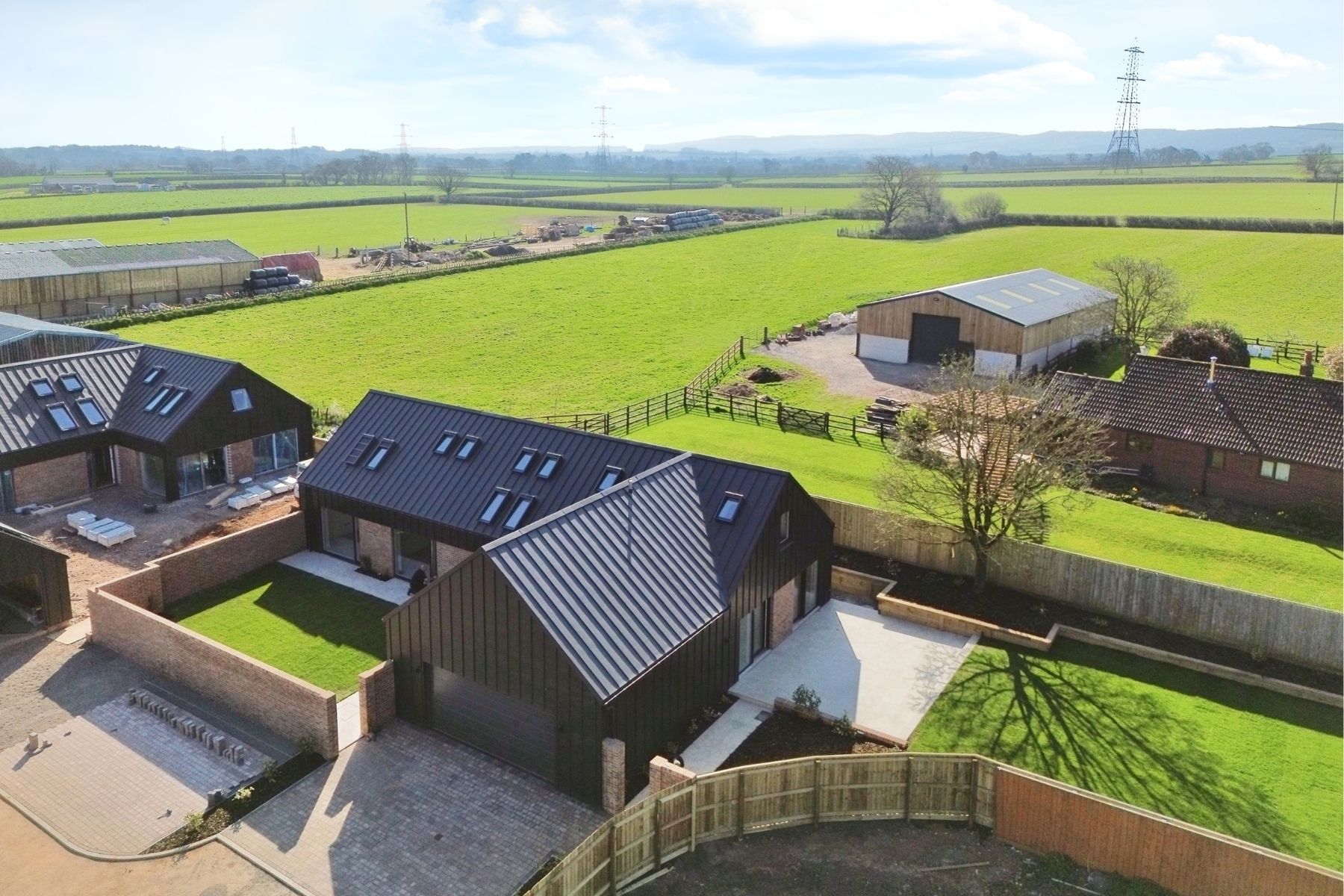
For those seeking a more rural or suburban feel without sacrificing modern efficiency, Oake View represents the premium end of sustainable living.
Passivhaus focus: This development features detached homes built to Passivhaus principles, offering a rare combination of spacious living and net zero carbon potential.
Energy efficient features: In addition to the triple glazing and airtight construction, Oake View homes often include advanced smart home technology to monitor energy usage. Many units are equipped with electric vehicle charging points and battery storage systems that work in tandem with solar arrays.
Article overview
This article explores how the Passivhaus standard is redefining the "forever home" by prioritising high performance engineering over traditional heating.
For buyers of new build homes, Passivhaus offers a future-proof investment that addresses both climate change and rising energy costs through a meticulous "fabric-first" approach. By adhering to five core pillars—exceptional insulation, high-quality triple glazing, airtightness, thermal bridge-free design, and Mechanical Ventilation with Heat Recovery (MVHR)—these homes reduce heating demand by up to 90%.
The piece highlights that these benefits extend beyond savings, offering superior air quality, acoustic peace, and year-round thermal comfort.
Featuring prominent developments from newhomesforsale.co.uk such as Deptford Landing, Duncombe Square, and Oake View, the article demonstrates that sustainable living is now accessible across various property types.
Ultimately, choosing a Passivhaus new build is presented as a commitment to a healthier, more stable, and environmentally responsible lifestyle.
Article overview composed with the help of AI
Disclaimer
newhomesforsale.co.uk is an information platform and not a financial advisor, mortgage broker or mortgage lender. Always get financial advice before making significant decisions about your money, mortgages and buying a house.
Publish date 27th March, 2026
Reading time: 5 minutes
Written by Heather Bowles