Do solar panels pay for themselves in England?
Solar panels in England usually pay for themselves, but over time rather than quickly. Most systems break even in around 8 to 12 years, depending on roof quality, energy use, and costs. After that, they continue generating savings for many years. While not ideal for every home, they are generally a solid long-term investment.
How do solar panels actually make money in England?
Solar panels make money by reducing the amount of electricity you need to buy from the grid. Every unit of electricity they produce is one less unit you pay for. This is the main source of savings and usually the biggest financial benefit.
They also earn money when you export excess electricity back to the grid. This is done through a payment scheme where energy suppliers pay you for what you send out. These payments are usually lower than what you pay for electricity, but they still add value.
The combination of these two effects creates your total return. First, you avoid buying expensive electricity. Second, you earn a smaller income from exports. Over time, these savings build up and offset the installation cost.
Solar panels do not generate income in a traditional sense. They reduce expenses instead. That difference is important. It means the “return” is gradual rather than immediate, but steady over many years.
Cost of solar panels
The cost of solar panels in England varies depending on system size and home setup. A typical domestic system usually costs between £5,000 and £10,000. Smaller homes may pay less. Larger homes or more complex installations may pay more.
The panels themselves are only part of the total cost. You also pay for an inverter, which converts solar energy into usable electricity. Installation labour is another major cost. Scaffolding may also be needed, which adds to the total.
Roof conditions can also affect price. Difficult access, steep angles, or fragile roofing materials can increase installation costs. A simple, accessible roof is cheaper to work with.
Solar panel battery storage is optional but expensive. Adding a battery can significantly increase the upfront cost. Some households choose it for flexibility. Others skip it to keep costs lower.
Despite the upfront expense, there are government-backed incentives through export payments. These reduce payback time, even if they do not reduce installation cost directly.
How much money can I save?
Savings depend heavily on how you use electricity. A typical household might save a few hundred pounds per year. Some households save over a thousand pounds annually. The difference comes down to usage patterns and system quality.
If you use electricity during the daytime, savings are higher. This is because you directly use the energy your panels produce. This is the most efficient way to benefit from solar power.
If you are out during the day, your panels still work. However, more energy is exported instead of used. Export payments help, but they are usually lower than direct savings.
Electricity prices also affect savings. When grid electricity is expensive, solar becomes more valuable. This is one reason solar has become more attractive in recent years in the UK.
Seasonal variation also matters. Summer generates more electricity due to longer daylight hours. Winter produces less. Over a full year, these balance out into a predictable average.
How long until they pay for themselves
The payback period in England is usually between 8 and 12 years. This is the time it takes for savings to equal the cost of installation.
Some homes reach payback faster. This can happen in 6 to 8 years. These homes usually have ideal conditions. A south-facing roof helps a lot. Low shading also improves performance. High daytime energy use speeds up savings.
Other homes take longer. Payback can stretch to 10 or 13 years in less ideal situations. North-facing roofs reduce output. Heavy shading reduces efficiency. Low energy use during the day also slows savings.
Even the slower cases are not necessarily poor investments. Solar panels usually last 25 years or more. That means many years of savings after the break-even point.
Once the system has paid for itself, most of the electricity it produces is effectively free. This is where the long-term value becomes more visible.
Does solar power still work in cloudy England?
England is known for cloudy weather. However, solar panels do not need direct sunlight to function. They generate electricity from daylight, not just sunshine.
This means panels still produce energy on overcast days. The output is lower, but not zero. Over a year, this still adds up to a meaningful amount of electricity.
Cool temperatures also help performance. Solar panels operate more efficiently in moderate temperatures than in extreme heat. This gives the UK a small technical advantage in some conditions.
Modern panels are also more efficient than older versions. They can capture more energy from low-light conditions. This makes them better suited for the UK climate.
The financial side also supports viability. Electricity prices in the UK are relatively high. This increases the value of every unit of solar power generated.
So even though the UK is not sunny, solar still performs reliably enough to be financially useful.
Does self-consumption affect solar savings?
Self-consumption is one of the most important factors in solar savings. It means using the electricity your panels generate directly in your home.
When you use your own solar electricity, you avoid buying power from the grid. This is where the highest savings come from.
Exporting electricity is less valuable. You still get paid, but the rate is lower. So every unit you use yourself is worth more than every unit you export.
This is why timing matters. Running appliances during the day increases savings. Washing machines, dishwashers, and dryers are often used in daylight hours for this reason.
Some households adjust routines slightly to match solar production. Others use timers or smart systems. These small changes can improve financial returns noticeably over time.
Solar panel batteries
Batteries store extra solar energy for later use. This means you can use solar power in the evening instead of exporting it during the day.
They increase energy independence so you rely less on the grid. This can be useful during peak pricing periods or outages. However, batteries are expensive. They add significant upfront cost to a solar system. Because of this, they often extend the payback period.
Whether they are worth it depends on your goals. If your main goal is financial return, batteries are not always necessary. If your goal is energy independence, they are more attractive.
They are most useful for households that are empty during the day. These homes generate excess energy but cannot use it immediately. A battery allows them to store that energy for evening use.
Many homeowners install panels first and consider batteries later. This staged approach keeps initial costs lower.
Importance of roof type
Roof type is one of the most important factors in solar performance. Direction, angle, and shading all matter.
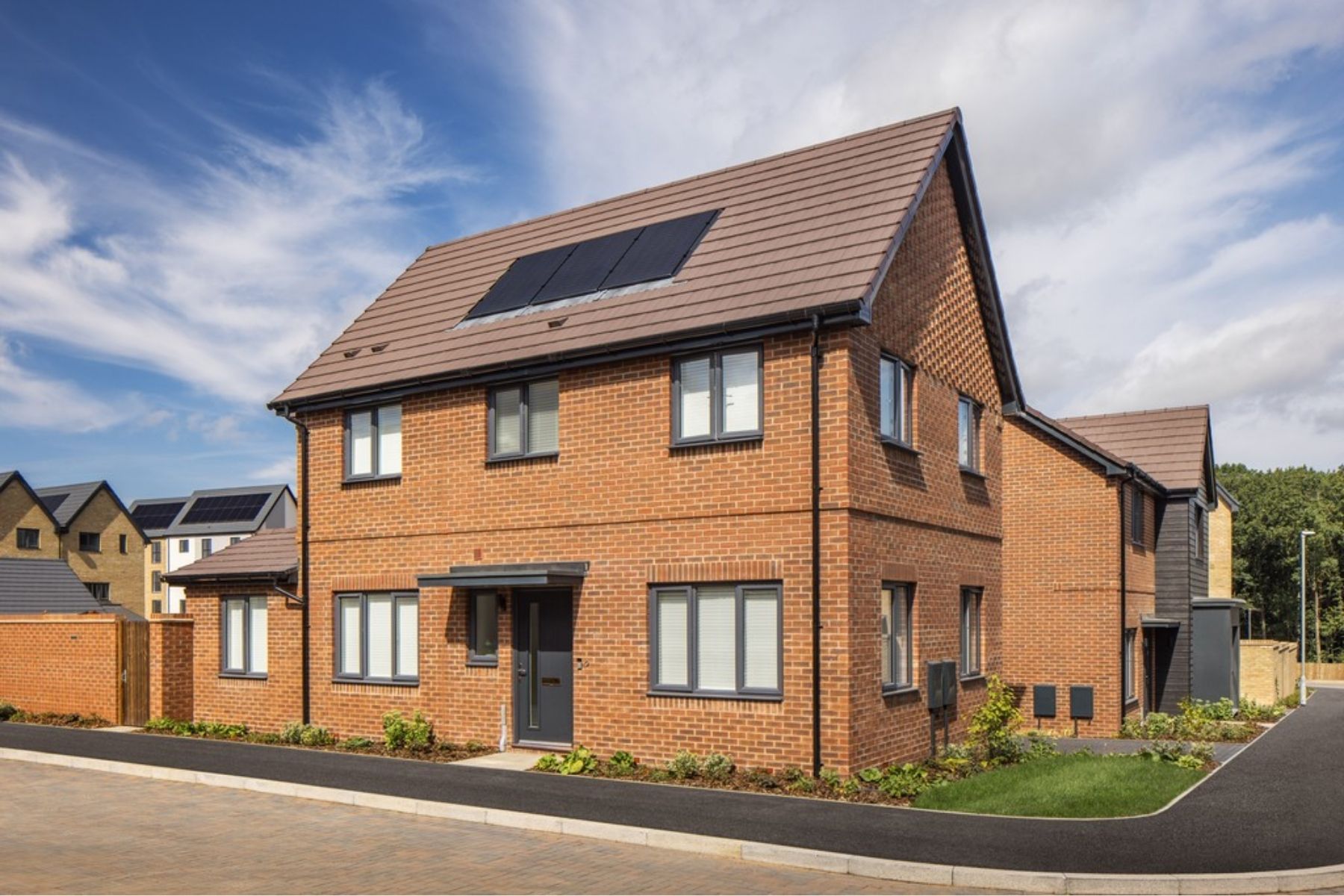
South-facing roofs are ideal in England. They receive the most consistent sunlight throughout the day. South-east and south-west roofs are also good alternatives. North-facing roofs are less efficient. They receive less direct sunlight, which reduces output. However, they can still generate some electricity.
Shading is another key issue. Trees, chimneys, and nearby buildings can block sunlight. Even partial shading can reduce system efficiency.
Roof size also matters. More space allows more panels. More panels usually mean higher total output and faster payback.
A good roof can significantly improve financial returns. A poor roof can limit them, even if the system is high quality.
Long-term value of solar panels
The payback period is only one part of the financial picture. After that point, solar panels continue producing electricity at no additional fuel cost.
Most systems last 25 to 30 years. If payback happens around year 10, that leaves 15 to 20 years of additional benefit. During this time, electricity is effectively free except for minimal maintenance. This creates long-term savings that can add up significantly.
Solar panels can also support property value. Many buyers see them as an advantage. Lower energy bills make homes more attractive, especially during periods of high electricity prices.
The long-term value is therefore not just financial recovery. It is ongoing cost reduction for many years.
So, do solar panels in England really pay for themselves?
Yes, in most cases they do. But they do so gradually rather than quickly. The typical payback period is around 8 to 12 years. After that point, the system continues to save money for many more years. The total value depends on roof conditions, electricity usage, and system cost.
Solar panels are not a short-term profit tool. They are a long-term reduction in household energy costs. For most suitable homes in England, the long-term savings outweigh the upfront investment.
FAQs
Q: How long does it take for solar panels to pay for themselves?
A: Most UK homeowners can expect solar panels to pay for themselves within 8-12 years through energy bill savings and payments for exporting excess electricity back to the grid.
Q. Do solar panels still save money during the winter?
A: Yes. While solar panels generate less electricity during shorter winter days, they still produce energy year-round and can contribute to overall annual savings.
Q. Can solar panels increase the value of my home?
A. Homes with solar panels often achieve better energy efficiency ratings, which can make them more attractive to buyers and help boost property value.
Disclaimer
newhomesforsale.co.uk is a property portal and not a financial advisor, mortgage broker or mortgage lender. Always seek independent financial advice before making significant decisions about your money, mortgages or purchasing a property.
All information included in our articles is accurate to the best of our knowledge at the time of publication. However, any references to dates, prices and availability are subject to change without notice.
Please note that stock images used on this website are licensed from Canva.com.
Publish date 2nd June, 2026
Reading time: 4 minutes
Written by Heather Bowles